
What do the IUCN Red List categories actually mean?
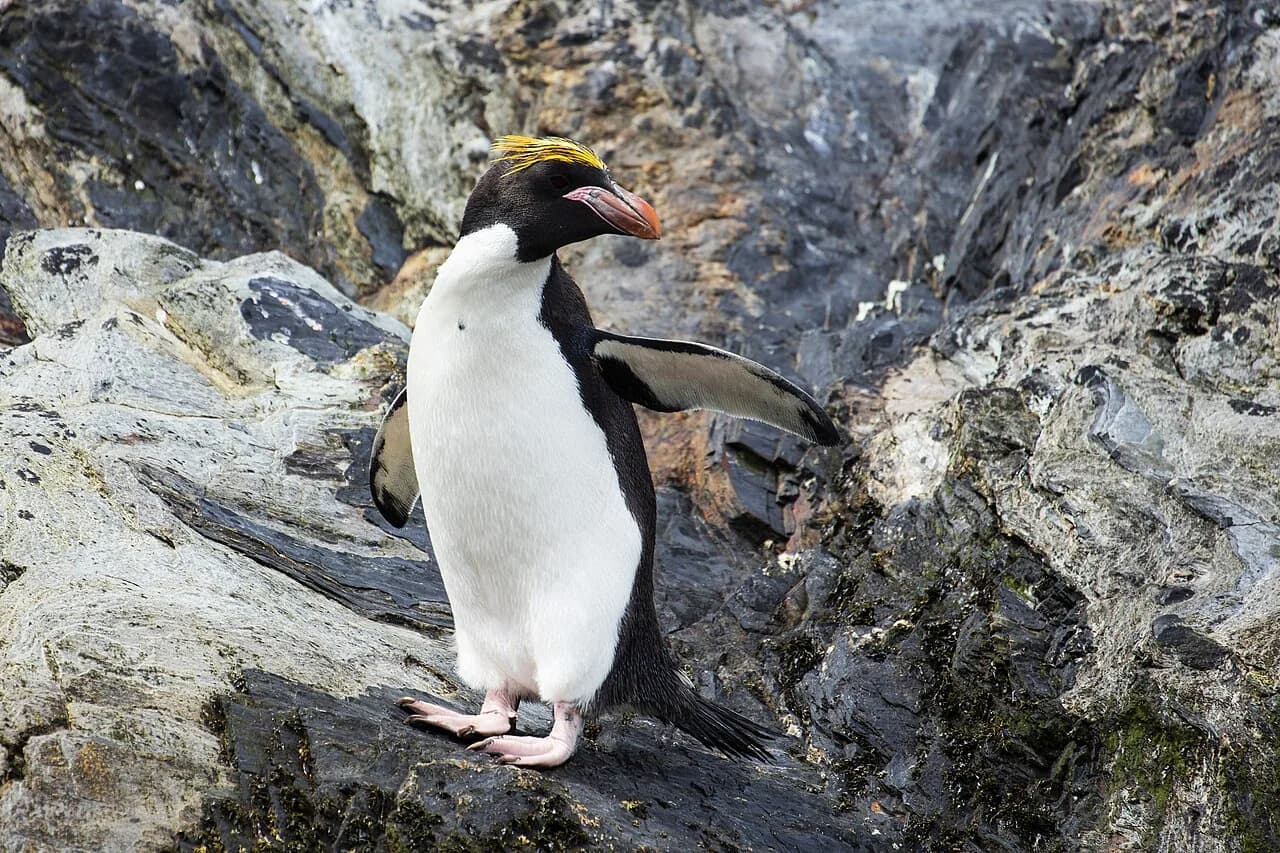
The Red List sorts species by how close they are to extinction, not by how rare they are. Least Concern means no elevated risk; Near Threatened means close to qualifying; then Vulnerable, Endangered, and Critically Endangered in ascending order of risk. A species qualifies through measurable criteria — rate of population decline, total population size, geographic range, and modelled extinction probability — so a very numerous species can still be listed. The macaroni penguin is Vulnerable despite roughly 6.3 million breeding pairs, because the trend is steeply down. Conversely, rarity alone does not qualify a species if its numbers are stable. Categories are reassessed periodically, which is why status changes over time and why an assessment date matters as much as the category.
Related Species
Profiles connected to this answer — continue into habitat, diet, and conservation detail.
Related Questions
Keep learning
Short answers live here. Definitions, long reads, and the full catalogue sit next door.
Where this answer comes from
Reference bodies behind our conservation answers. Links last checked August 5, 2026.
- IUCN Red List - Global conservation assessments and extinction-risk categories.
- BirdLife Data Zone - Species accounts, distribution, and population summaries.
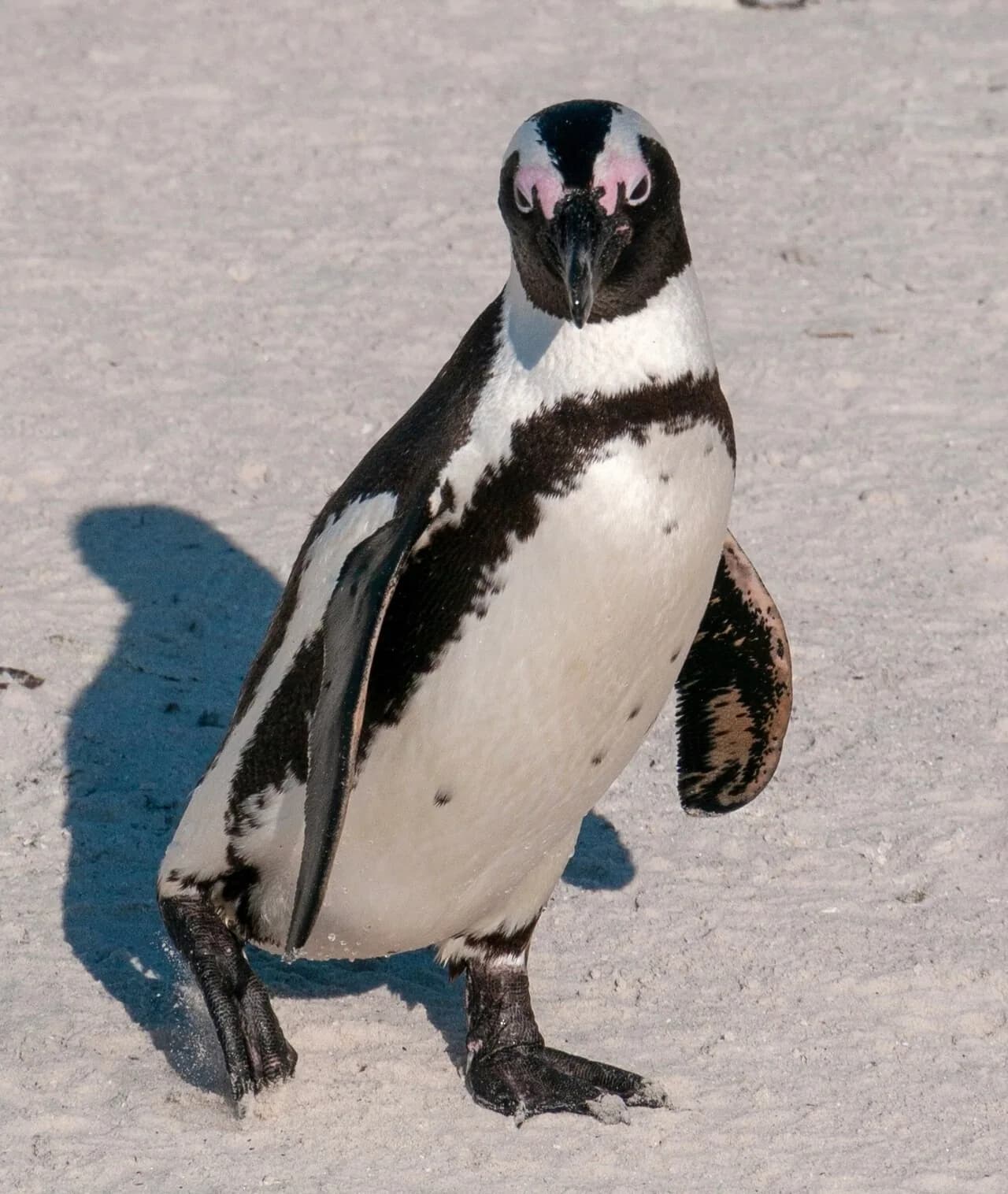
- SANCCOB - African penguin rescue, rehabilitation, and conservation context.
- New Zealand Department of Conservation Penguins Hub - New Zealand penguin species, threats, and habitat guidance.