
Penguins That Eat Herring
1 penguin species in this guide eat herring, including Humboldt Penguin. Shared prey creates overlap, but it also exposes very different birds to the same ocean bottleneck.
Herring matters because prey choice shapes dive depth, breeding success, and how badly a penguin suffers when the ocean changes. Two penguins can eat the same thing and still live completely different lives because prey only makes sense inside place, depth, and breeding rhythm.
Species covered
1
Largest species here
Humboldt Penguin
Up to 70 cm
Highest risk in view
Humboldt Penguin
Vulnerable
Species in this lens
Herring matters because prey choice shapes dive depth, breeding success, and how badly a penguin suffers when the ocean changes.
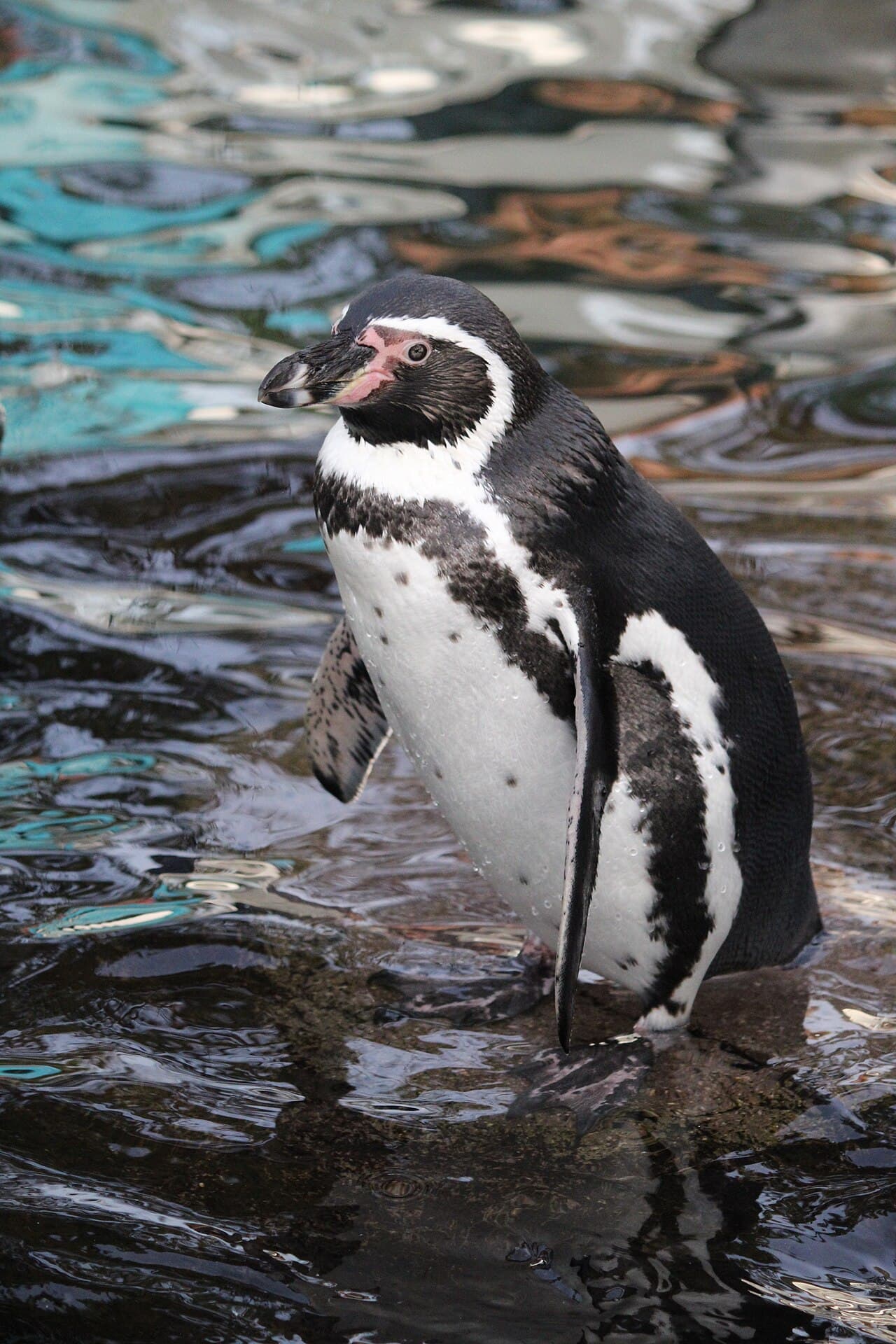
What this view reveals
- Herring matters because prey choice shapes dive depth, breeding success, and how badly a penguin suffers when the ocean changes. Two penguins can eat the same thing and still live completely different lives because prey only makes sense inside place, depth, and breeding rhythm.
- Humboldt Penguin is the largest species in this view at up to 70 cm.
- Humboldt Penguin carries the highest conservation pressure in this group.
Understanding Penguins That Eat Herring
1 penguin species include herring in their diet: Humboldt Penguin. Diet is one of the most revealing lenses for understanding penguin ecology because what a penguin eats determines how deep it dives, how far it travels from the colony, and how vulnerable it is to changes in ocean productivity.
Herring is a critical prey item because it sits at a key point in the Southern Ocean food web. Penguins that depend heavily on herring are directly exposed to fluctuations in prey abundance driven by ocean temperature, current patterns, and competition with commercial fisheries. A bad herring year does not just mean hungry adults — it means failed breeding, abandoned chicks, and population-level consequences.
The species in this dietary group range across Peru, Chile and span sizes from Humboldt Penguin (70 cm) to Humboldt Penguin (70 cm). Larger species generally dive deeper and can access prey at greater depths, while smaller species are restricted to shallower foraging zones. This size-depth relationship means that even species eating the same prey type may be fishing at completely different levels of the water column.
Conservation attention for herring-dependent penguins increasingly focuses on marine protected areas and fishery management. Humboldt Penguin, classified as Vulnerable, is the most vulnerable species in this dietary group and illustrates how prey dependence can amplify other threats like habitat loss and climate change.
Frequently asked questions
Which penguins eat herring?
Humboldt Penguin all take herring as part of their diet, though not always in the same proportion or season.
Does eating herring mean these penguins live in the same place?
Not necessarily. Penguins can share prey types while living in very different regions and habitats.
Which penguin that eats herring is most threatened?
Humboldt Penguin has the highest conservation status in this hub at Vulnerable.