
Humboldt Penguin
Spheniscus humboldti
Named after the cold Humboldt Current, these penguins live along the coasts of Peru and Chile in one of the most arid environments inhabited by any penguin, nesting in burrows dug into guano deposits.
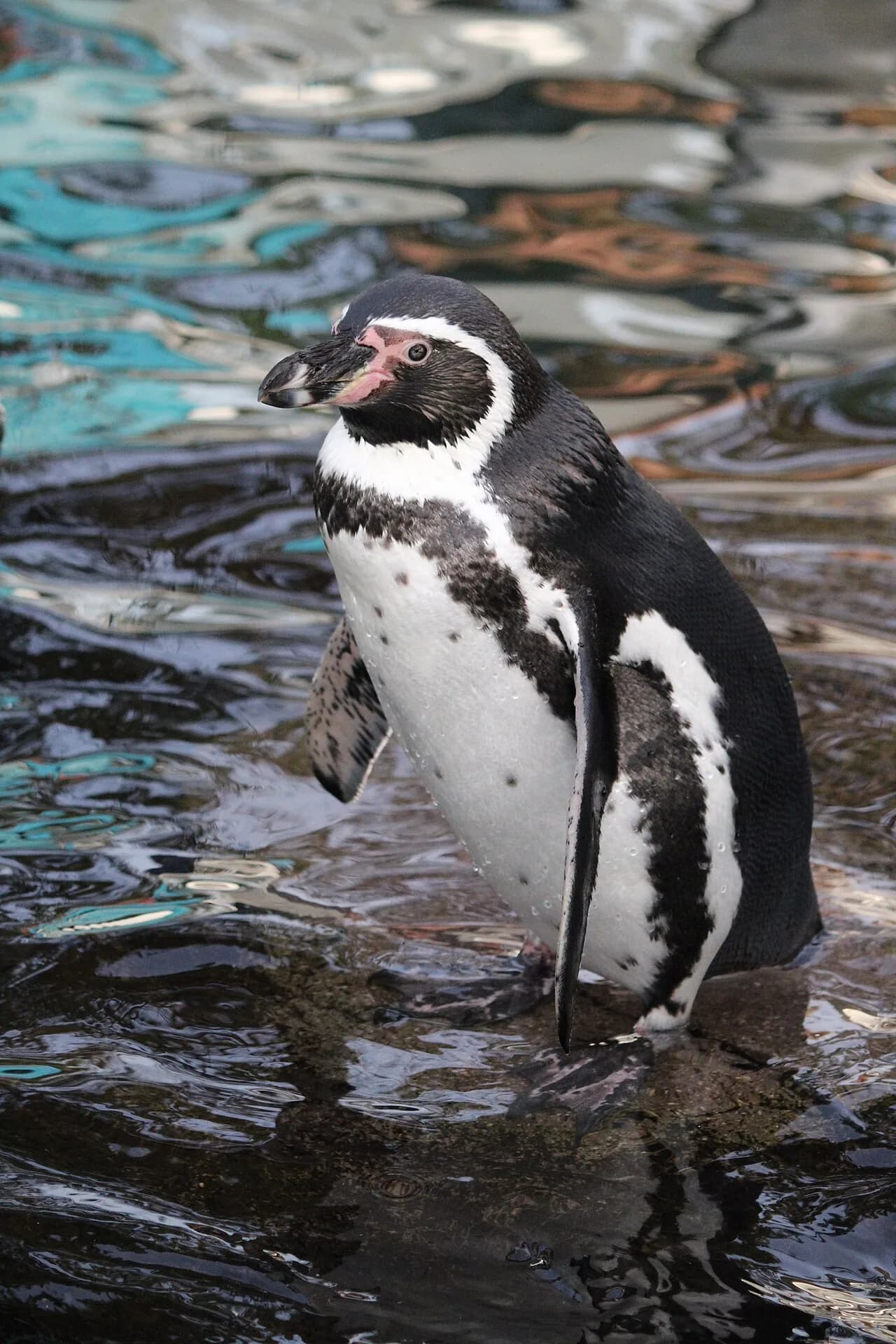
Humboldt penguin on rocky coastline
IUCN Red List status
Listed as Vulnerable with an estimated 23,800 mature individuals and a declining trend.
Red List history and threatsEstimated population
~23,800 individuals
Decreasing trend
Estimate assessed 2021.
Humboldt penguins live along the Pacific coasts of Peru and Chile in the cold Humboldt Current, sharing close kinship with African, Magellanic and Galápagos penguins. They inhabit one of the most arid environments of any penguin — the coast of the Atacama Desert — and nest in burrows dug into guano deposits or in rocky crevices along the coast.
Historically, large-scale guano mining at their breeding sites reduced suitable burrowing habitat, but since the late 1970s Peru and Chile have granted them legal protections and many colonies now fall within protected areas. They have bare skin patches on their face that help them thermoregulate in their warm coastal environment, and they depend heavily on anchovies and sardines, making them vulnerable to overfishing and climate-driven prey shifts.
If You Only Learn One Thing About This Penguin
Humboldt Penguins are cold-current birds wearing a desert costume. They look like warm-climate penguins only if you ignore the ocean that actually feeds them.
The Survival Problem
Their whole breeding system depends on the Humboldt Current staying productive enough to deliver anchovies and sardines to colonies on otherwise harsh, dry coasts.
What Makes This Species Weird
They nest in guano, caves, or rock crevices on desert shorelines where shade matters as much as food, which is a very different penguin life from sea ice or forest nesting.
Myth vs Reality
Myth
A penguin living in Peru or Chile must be adapted to warm seas.
Reality
Humboldts live beside deserts, but they still depend on cold, nutrient-rich upwelling waters and can crash when those systems fail.
Behavior & Traits
- Nest in burrows dug into guano deposits or rocky crevices along the desert coast
- Have bare skin patches on their face to help thermoregulate in warm coastal environments
- Depend heavily on anchovies and sardines, making their breeding success closely tied to fish stocks
- Share close kinship with African, Magellanic and Galápagos penguins in the banded penguin group
Habitat & Range
Habitats
Regions
Diet
Conservation
Listed as Vulnerable with an estimated 23,800 mature individuals and a declining trend. Threats include climate change, overfishing of key prey (sardines and anchovies), bycatch, and predation by introduced mammals like rats and feral cats. Historical large-scale guano mining destroyed much of their burrowing habitat, though Peru and Chile have since established legal protections and many colonies now fall within protected areas.
Red List history
What is driving it: El Niño-driven prey collapse, guano harvesting removing nest substrate, and fisheries bycatch.
- 2020VulnerableCurrent
Main threats
- Anchovy and sardine fishery pressure
- Guano extraction and habitat disturbance
- El Nino variability
Common predators
Breeding & Movement
Breeding
- Often nests in burrows, caves, or rocky crevices along the coast.
- Can attempt multiple broods when food conditions are favorable.
Movement
- Humboldt Penguins spend much of the year foraging at sea and return to established breeding colonies on land or ice.
Fun Facts
Named after explorer Alexander von Humboldt, not the ocean current itself
They live on the coast of the Atacama Desert — one of the driest places on Earth
Humboldt penguins have bare skin patches on their face to help them stay cool
Historical guano mining destroyed much of their nesting habitat before protections were established
They are closely related to African, Magellanic and Galápagos penguins
Since the late 1970s, Peru and Chile have granted them legal protections and many colonies now fall within protected areas
Predation by introduced rats and feral cats remains a significant threat at some colonies
Research Gap
The hard unresolved question is how much of colony instability comes from El Nino swings versus sustained fishery pressure near breeding areas.
Frequently Asked Questions
How tall is a Humboldt Penguin?
Humboldt Penguins stand 56–70 cm tall and typically weigh 3.6–5.9 kg.
What do Humboldt Penguins eat?
Humboldt Penguins primarily eat anchovies, sardines, herring, and squid. Prey choice tracks ocean conditions and breeding season energy needs as much as preference.
Where do Humboldt Penguins live?
Humboldt Penguins are found in Peru and Chile. Habitats include Rocky coastlines, Desert coasts, and Islands.
What is the main survival problem for Humboldt Penguins?
Their whole breeding system depends on the Humboldt Current staying productive enough to deliver anchovies and sardines to colonies on otherwise harsh, dry coasts.
Are Humboldt Penguins endangered?
The Humboldt Penguin is classified as Vulnerable on the IUCN Red List. Estimated population: ~23,800 individuals. Population trend: decreasing. Listed as Vulnerable with an estimated 23,800 mature individuals and a declining trend. Threats include climate change, overfishing of key prey (sardines and anchovies), bycatch, and predation by introduced mammals like rats and feral cats. Historical large-scale guano mining destroyed much of their burrowing habitat, though Peru and Chile have since established legal protections and many colonies now fall within protected areas.
How long do Humboldt Penguins live?
Humboldt Penguins typically live 15–20 years in the wild, though food access, predation, and breeding success can cut that short.
What is a common myth about Humboldt Penguins?
Myth: A penguin living in Peru or Chile must be adapted to warm seas. Reality: Humboldts live beside deserts, but they still depend on cold, nutrient-rich upwelling waters and can crash when those systems fail.
What threatens Humboldt Penguins?
The main pressures include anchovy and sardine fishery pressure, guano extraction and habitat disturbance, and el nino variability. Natural predators include Sharks, Sea lions, and Gulls near colonies.
What is one surprising fact about Humboldt Penguins?
Named after explorer Alexander von Humboldt, not the ocean current itself
Written for the Survival Lab series on Penguin Place
Penguin Place is written like a natural-history notebook, not a content mill. The job is to explain what each penguin is up against, what makes it strange, and where the evidence still runs thin.
Quick Facts
- Scientific Name
- Spheniscus humboldti
- Height
- 56–70 cm
- Weight
- 3.6–5.9 kg
- Lifespan
- 15–20 years
- Status
- Vulnerable
- Population
- ~23,800 individuals
- Genus
- Spheniscus
Explore by Topic
Status
Genus
Habitats
Compare
Start with the closest side-by-side matches by lineage, habitat, and size.
How we source claims
We start with conservation assessments, research institutions, and field guides that have to survive real scrutiny. Then we write only what still sounds true after the comparison.
- Use IUCN, BirdLife, museums, aquariums, conservation groups, and research institutions before broad explainers.
- Lead with a survival problem, not a keyword bucket.
- Say when the science is uncertain instead of sanding every gap into fake certainty.
Further reading
This profile was reviewed on February 11, 2026 using the sources listed below.
- IUCN Red List - Global conservation assessments and extinction-risk categories.
- BirdLife Data Zone - Species accounts, distribution, and population summaries.
- Penguins International - Species explainers and conservation context focused on penguins.
- NOAA Fisheries - Marine food webs, climate, and ocean ecosystem context.
Continue the trail
Broader Survival Lab reading on Penguin Place connected to Humboldt Penguin — survival, habitat, food, and conservation pressure.
Why Some Penguins Live in Hot Places
Why penguins show up on tropical and desert coasts, and why warm-weather species still depend on cold, productive oceans.
What Penguins Eat
A guide to krill, fish, squid, and the prey bottlenecks that decide which penguin colonies hold and which ones fail.
Related to Humboldt Penguin
Nearby species by lineage, range, size, and conservation pressure — better next reads than a random list.
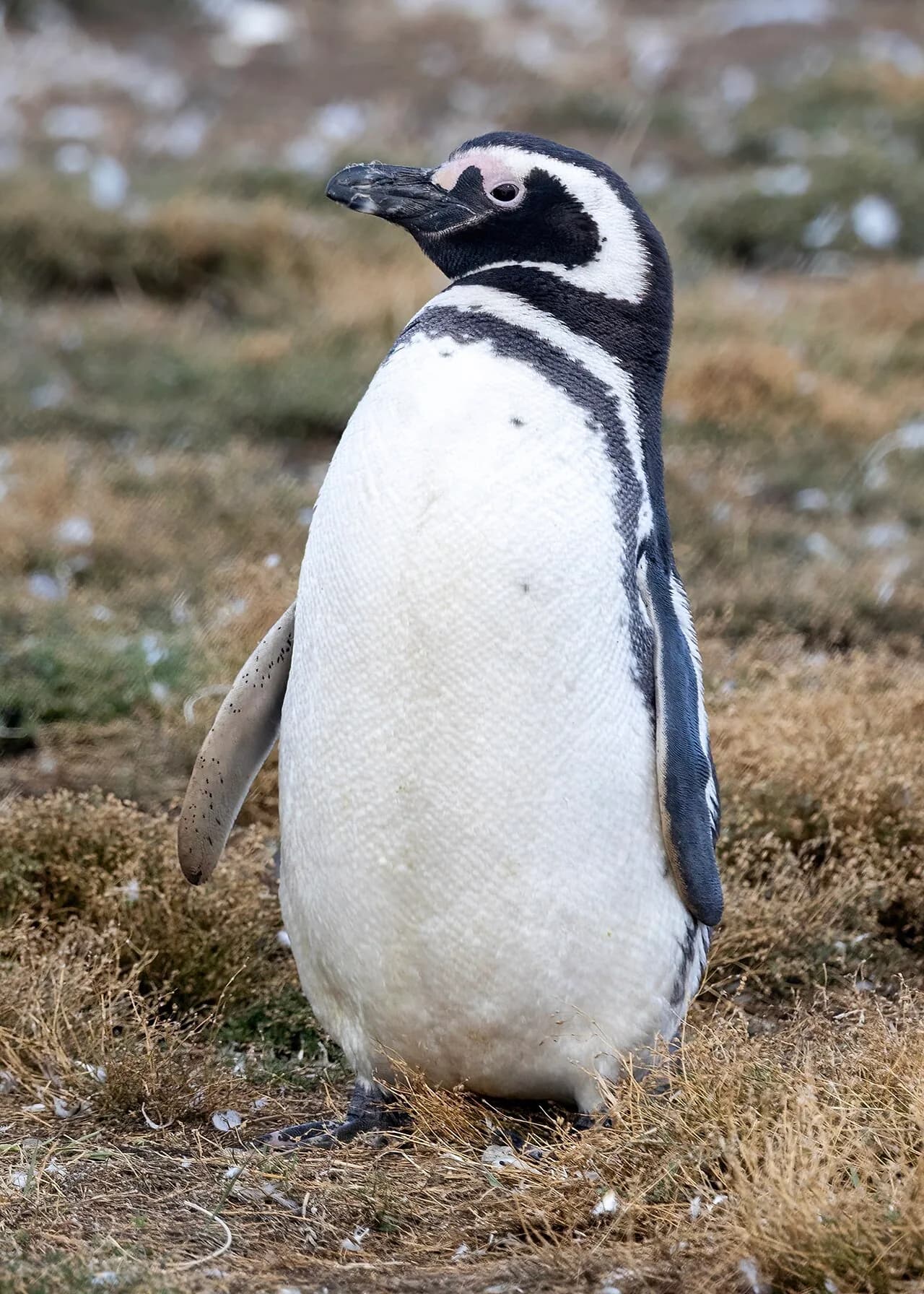
Magellanic Penguin
Spheniscus magellanicus
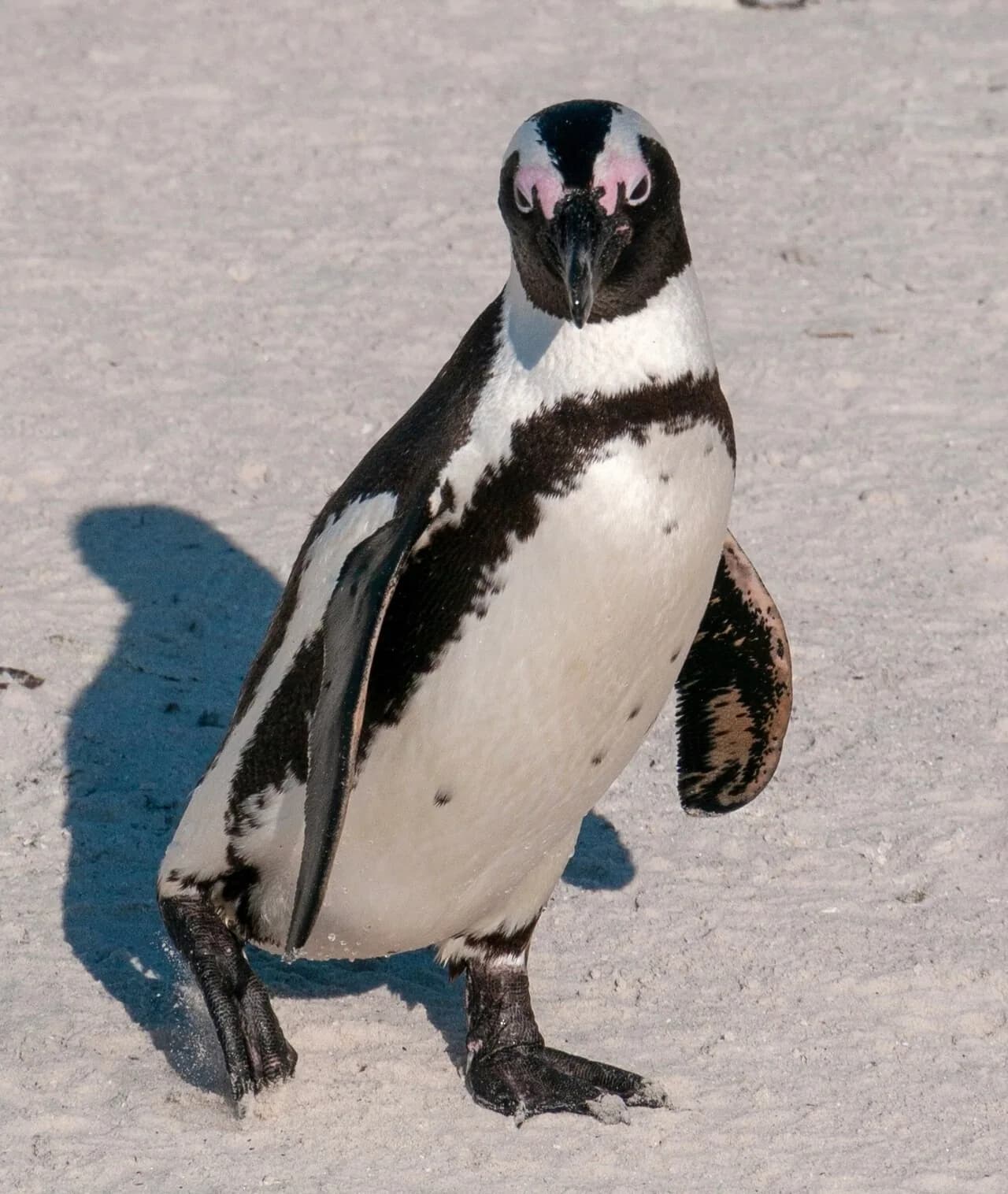
African Penguin
Spheniscus demersus
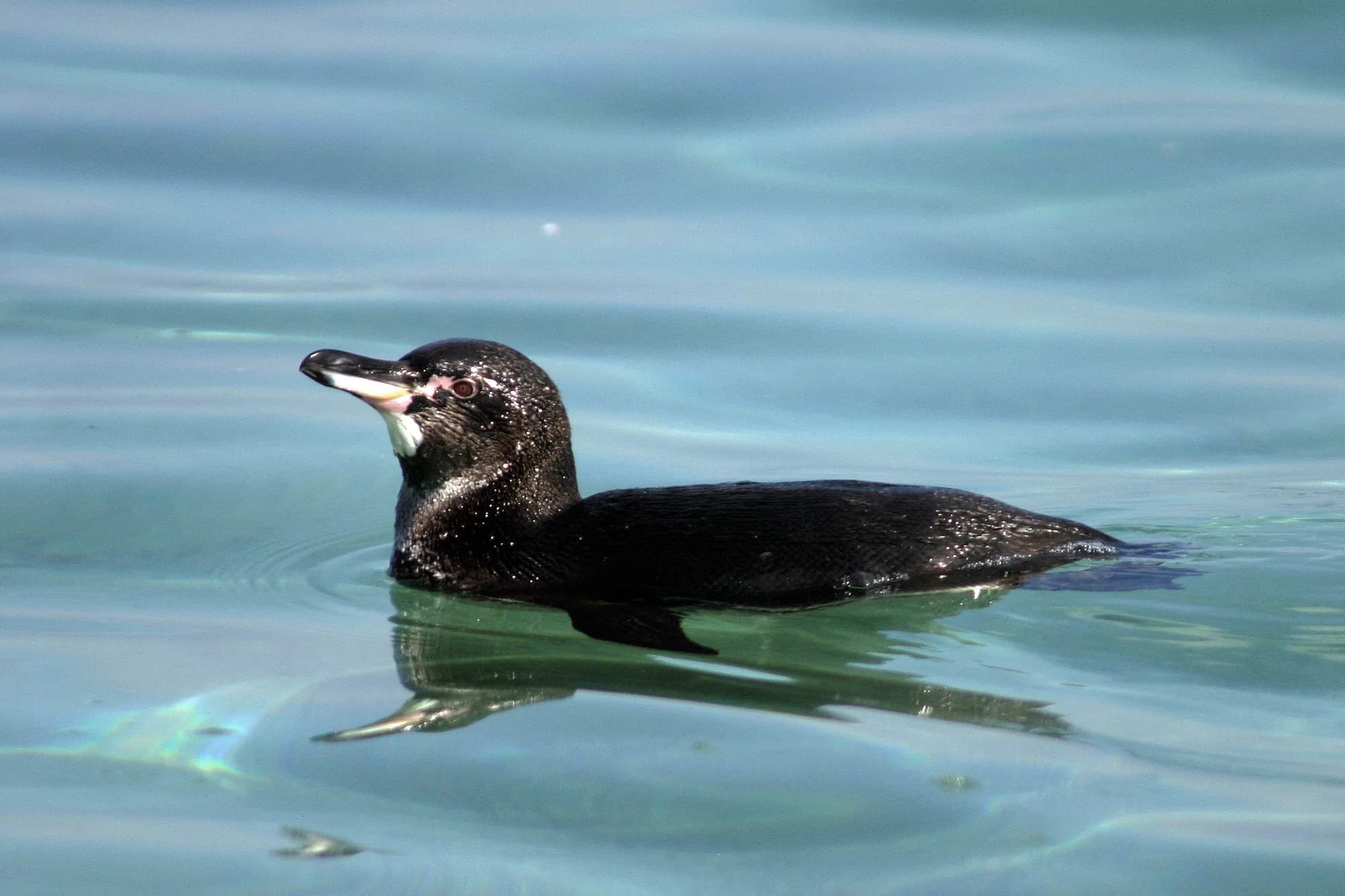
Galapagos Penguin
Spheniscus mendiculus
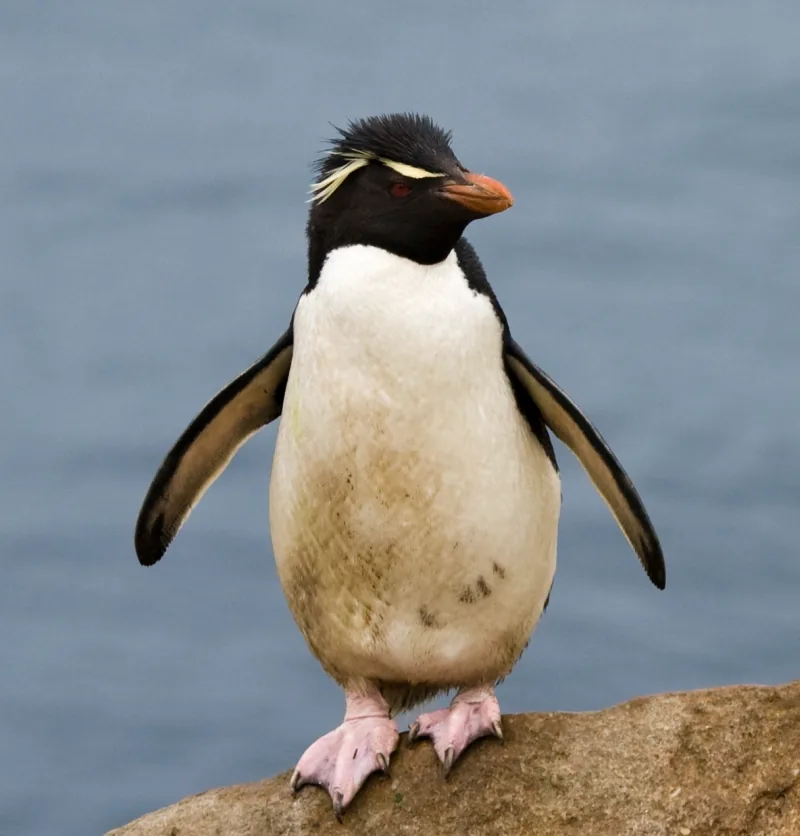
Western Rockhopper Penguin
Eudyptes chrysocome