
Chinstrap Penguin
Pygoscelis antarcticus
Named for the narrow black band under their heads that resembles a helmet strap, Chinstraps are famously noisy, pugnacious, and among the most abundant penguins in the Antarctic region.
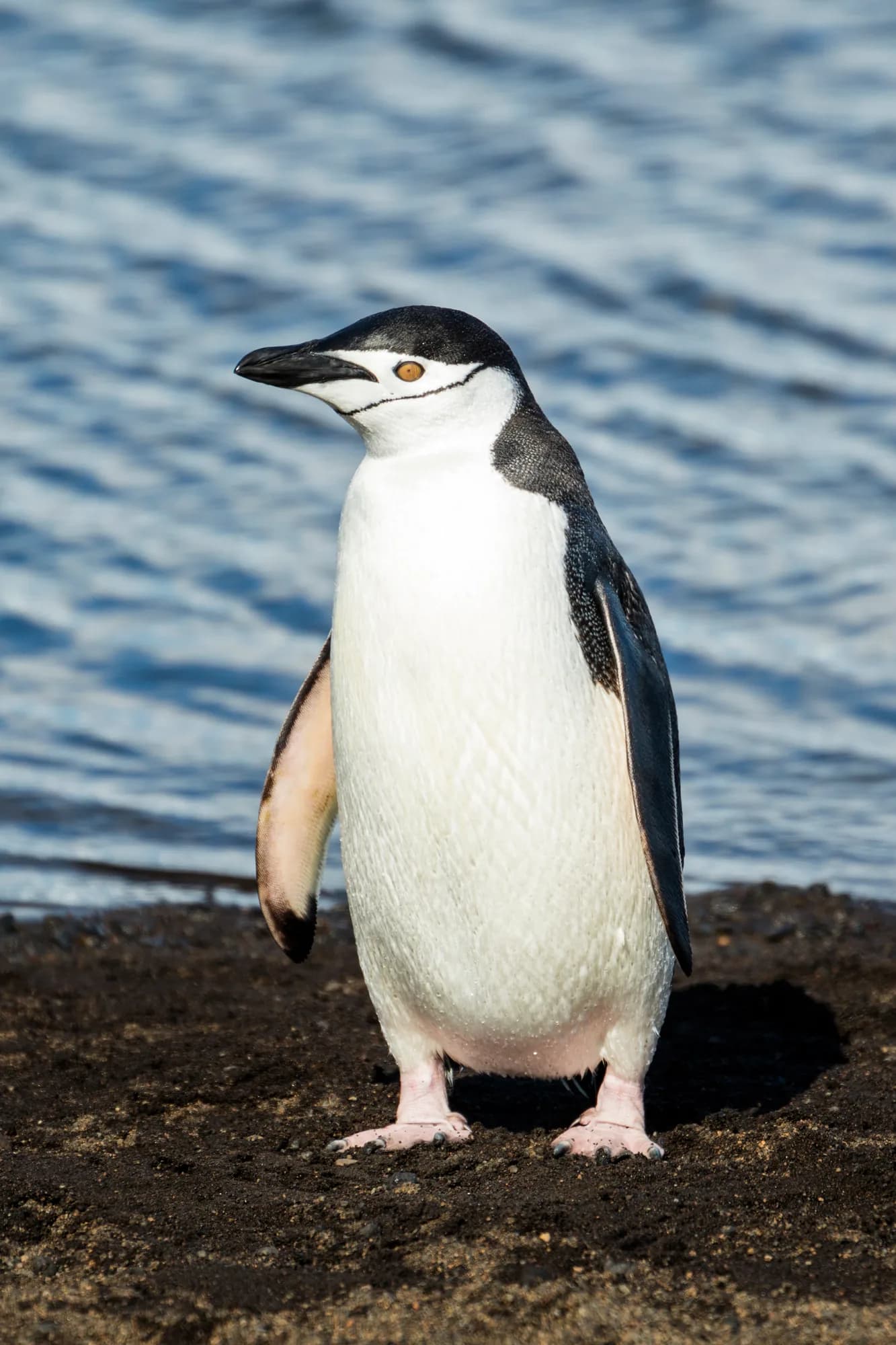
Chinstrap penguin with distinctive black band under chin
IUCN Red List status
Currently classified as Least Concern with around 8 million breeding pairs.
Red List history and threatsEstimated population
~8 million breeding pairs
Decreasing trend
Estimate assessed 2020.
Chinstraps breed across the Scotia Sea region, including the South Sandwich, South Orkney and South Shetland Islands, plus the northern Antarctic Peninsula, with their largest colony on Zavodovski Island hosting around two million breeding birds on volcanic slopes. They get their name from the narrow black band under their heads, which looks like a helmet strap.
They often nest high on steep, windswept ridges that clear of snow early, even though this means a long commute from the shore, because lower nests risk being buried by late snowstorms. Despite their small size they are famously noisy and pugnacious, and individual birds may swim up to about 80 km a day through heavy swells to catch fish, krill and squid while dodging leopard seals.
If You Only Learn One Thing About This Penguin
Chinstraps can fill a volcano slope with noise and still be ecologically fragile. Abundance is not the same thing as resilience.
The Survival Problem
Chinstraps are tied hard to krill-rich systems, so when Southern Ocean food webs wobble, giant colonies can still slide into decline.
What Makes This Species Weird
They nest on steep, windswept ground, fight loudly over tiny bits of space, and have turned small, aggressive bodies into cliff-ready breeding machines.
Myth vs Reality
Myth
If a species has millions of birds, local decline is not urgent.
Reality
A huge chinstrap colony can shrink fast when krill availability changes, especially in the Scotia Sea.
Behavior & Traits
- Nest high on steep, windswept ridges that clear of snow early to avoid late snowstorms burying lower nests
- Individual birds may swim up to 80 km a day through heavy swells to catch prey
- Take thousands of micro-naps per day, sleeping for only about 4 seconds at a time
- Considered the most aggressive penguin species, with loud, harsh calls used in territorial disputes
Habitat & Range
Diet
Conservation
Currently classified as Least Concern with around 8 million breeding pairs. However, some colonies have experienced significant declines linked to reduced krill availability driven by warming ocean temperatures. The massive Zavodovski Island colony, their largest, is particularly vulnerable to volcanic activity and changing sea conditions.
Red List history
The Chinstrap Penguin is currently listed as Least Concern on the IUCN Red List, with an estimated population of ~8 million breeding pairs and a decreasing trend. We have not recorded a category change for this species.
Check the current Red List assessmentMain threats
- Reduced krill availability
- Ocean warming in the Scotia Sea
- Localized breeding failures
Common predators
Breeding & Movement
Breeding
- Often nests on steep, windswept slopes that clear early in the season.
- Raises chicks in dense, noisy colonies.
Movement
- Chinstrap Penguins spend much of the year foraging at sea and return to established breeding colonies on land or ice.
Fun Facts
Chinstrap penguins are considered the most aggressive penguin species
They take thousands of micro-naps per day, sleeping for only about 4 seconds at a time
Their largest colony on Zavodovski Island hosts around two million breeding birds on volcanic slopes
They can climb steep, rocky slopes using their strong claws and beaks
Individual birds may swim up to 80 km a day to catch fish, krill and squid
They nest high on windswept ridges because lower nests risk being buried by late snowstorms
Despite their small size, they are one of the most abundant penguin species in the Antarctic region
Research Gap
One of the harder questions is why neighboring chinstrap colonies can head in different directions even when they appear to share the same ocean system.
Frequently Asked Questions
How tall is a Chinstrap Penguin?
Chinstrap Penguins stand 68–77 cm tall and typically weigh 3.2–5.3 kg.
What do Chinstrap Penguins eat?
Chinstrap Penguins primarily eat krill, shrimp, and small fish. Prey choice tracks ocean conditions and breeding season energy needs as much as preference.
Where do Chinstrap Penguins live?
Chinstrap Penguins are found in South Sandwich Islands, South Orkney Islands, South Shetland Islands, and Antarctic Peninsula. Habitats include Antarctic Peninsula and Sub-Antarctic islands.
What is the main survival problem for Chinstrap Penguins?
Chinstraps are tied hard to krill-rich systems, so when Southern Ocean food webs wobble, giant colonies can still slide into decline.
Are Chinstrap Penguins endangered?
The Chinstrap Penguin is classified as Least Concern on the IUCN Red List. Estimated population: ~8 million breeding pairs. Population trend: decreasing. Currently classified as Least Concern with around 8 million breeding pairs. However, some colonies have experienced significant declines linked to reduced krill availability driven by warming ocean temperatures. The massive Zavodovski Island colony, their largest, is particularly vulnerable to volcanic activity and changing sea conditions.
How long do Chinstrap Penguins live?
Chinstrap Penguins typically live 15–20 years in the wild, though food access, predation, and breeding success can cut that short.
What is a common myth about Chinstrap Penguins?
Myth: If a species has millions of birds, local decline is not urgent. Reality: A huge chinstrap colony can shrink fast when krill availability changes, especially in the Scotia Sea.
What threatens Chinstrap Penguins?
The main pressures include reduced krill availability, ocean warming in the scotia sea, and localized breeding failures. Natural predators include Leopard seals, Skuas, and Giant petrels.
What is one surprising fact about Chinstrap Penguins?
Chinstrap penguins are considered the most aggressive penguin species
Written for the Survival Lab series on Penguin Place
Penguin Place is written like a natural-history notebook, not a content mill. The job is to explain what each penguin is up against, what makes it strange, and where the evidence still runs thin.
Quick Facts
- Scientific Name
- Pygoscelis antarcticus
- Height
- 68–77 cm
- Weight
- 3.2–5.3 kg
- Lifespan
- 15–20 years
- Status
- Least Concern
- Population
- ~8 million breeding pairs
- Genus
- Pygoscelis
Explore by Topic
Compare
Start with the closest side-by-side matches by lineage, habitat, and size.
How we source claims
We start with conservation assessments, research institutions, and field guides that have to survive real scrutiny. Then we write only what still sounds true after the comparison.
- Use IUCN, BirdLife, museums, aquariums, conservation groups, and research institutions before broad explainers.
- Lead with a survival problem, not a keyword bucket.
- Say when the science is uncertain instead of sanding every gap into fake certainty.
Further reading
This profile was reviewed on January 19, 2026 using the sources listed below.
- IUCN Red List - Global conservation assessments and extinction-risk categories.
- BirdLife Data Zone - Species accounts, distribution, and population summaries.
- British Antarctic Survey - Antarctic penguin ecology, diving, and sea-ice context.
- Penguins International - Species explainers and conservation context focused on penguins.
Related to Chinstrap Penguin
Nearby species by lineage, range, size, and conservation pressure — better next reads than a random list.
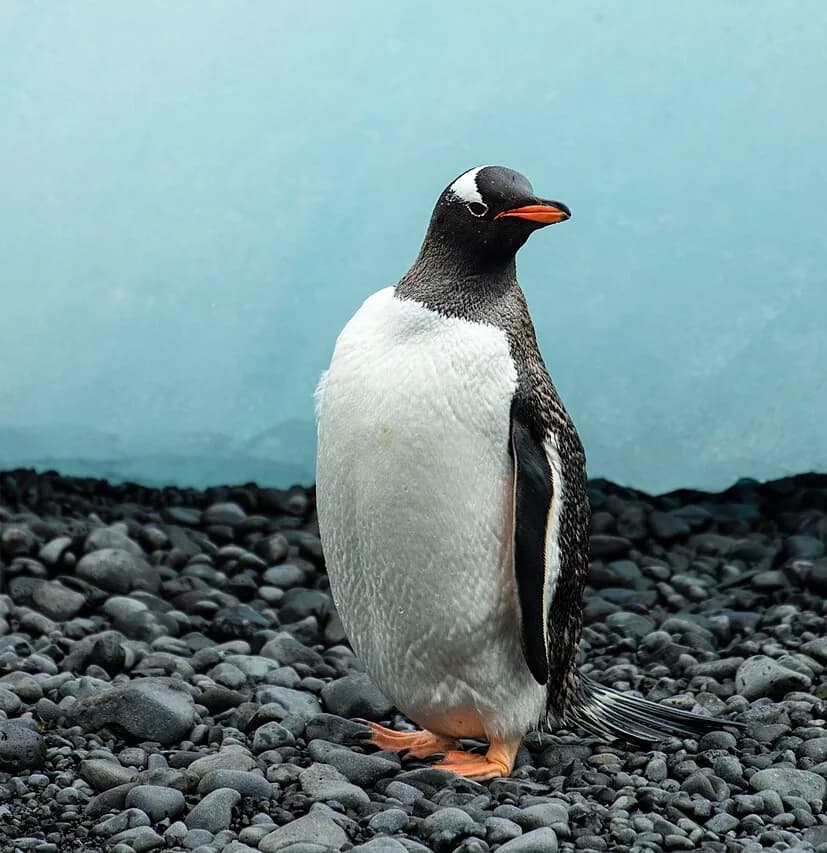
Gentoo Penguin
Pygoscelis papua
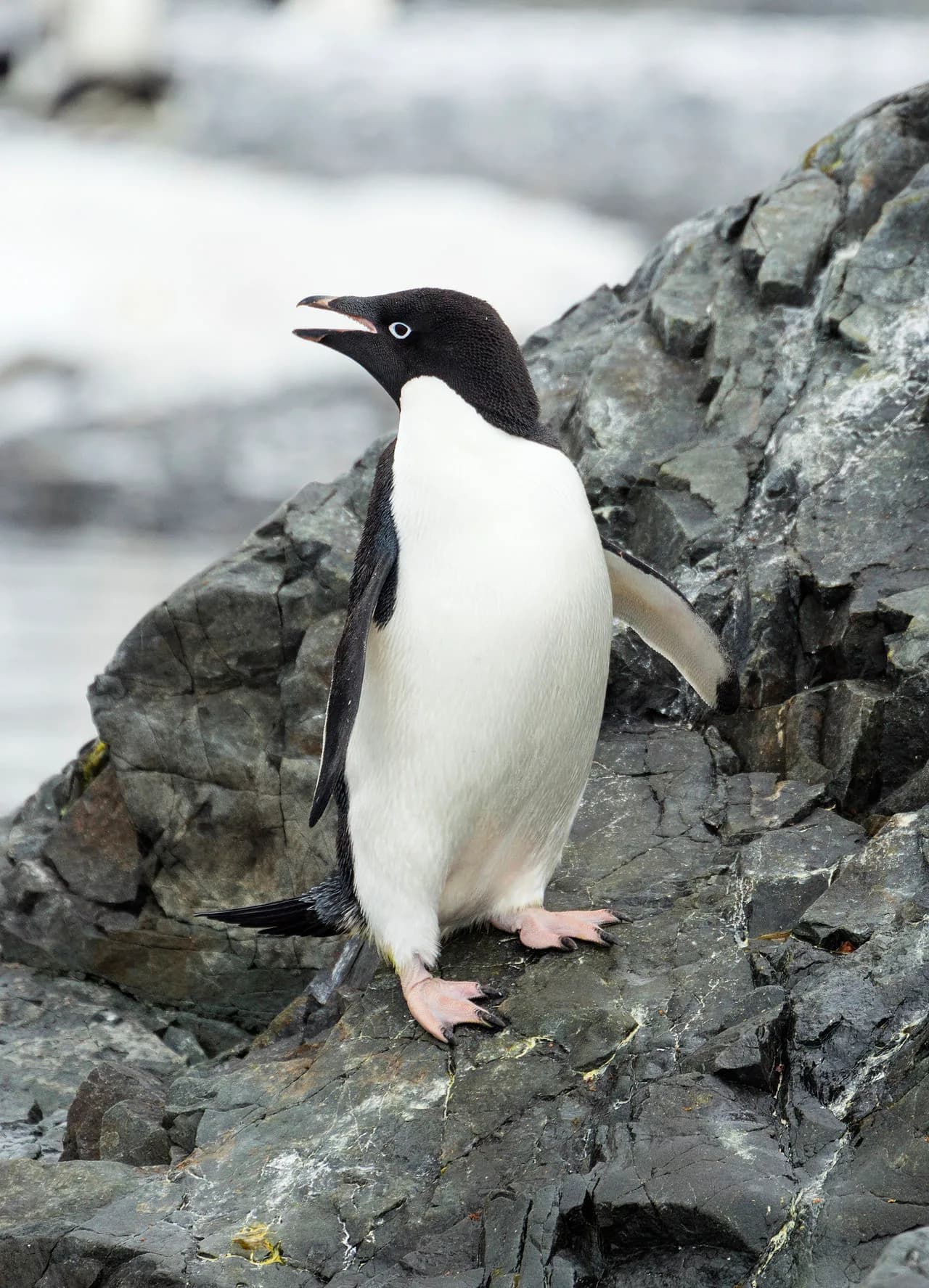
Adelie Penguin
Pygoscelis adeliae
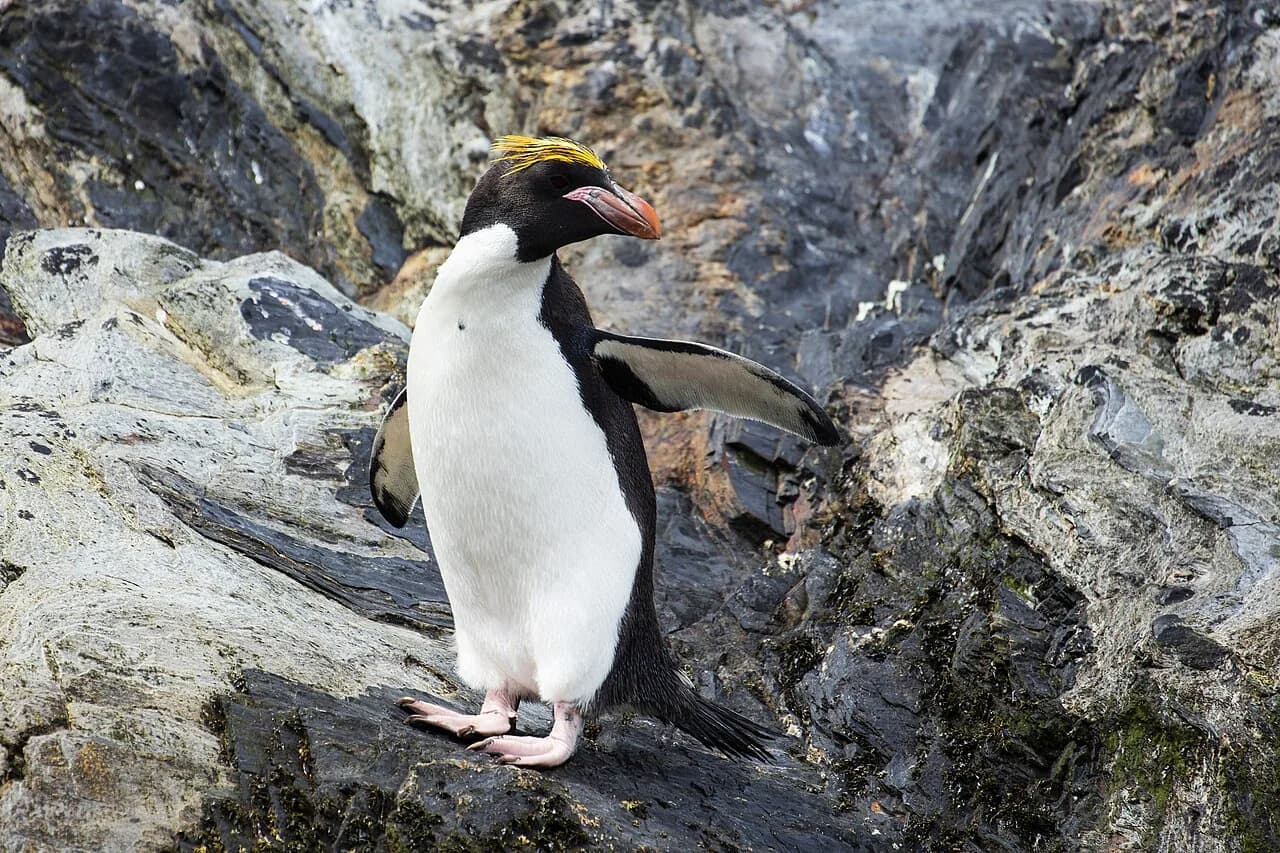
Macaroni Penguin
Eudyptes chrysolophus
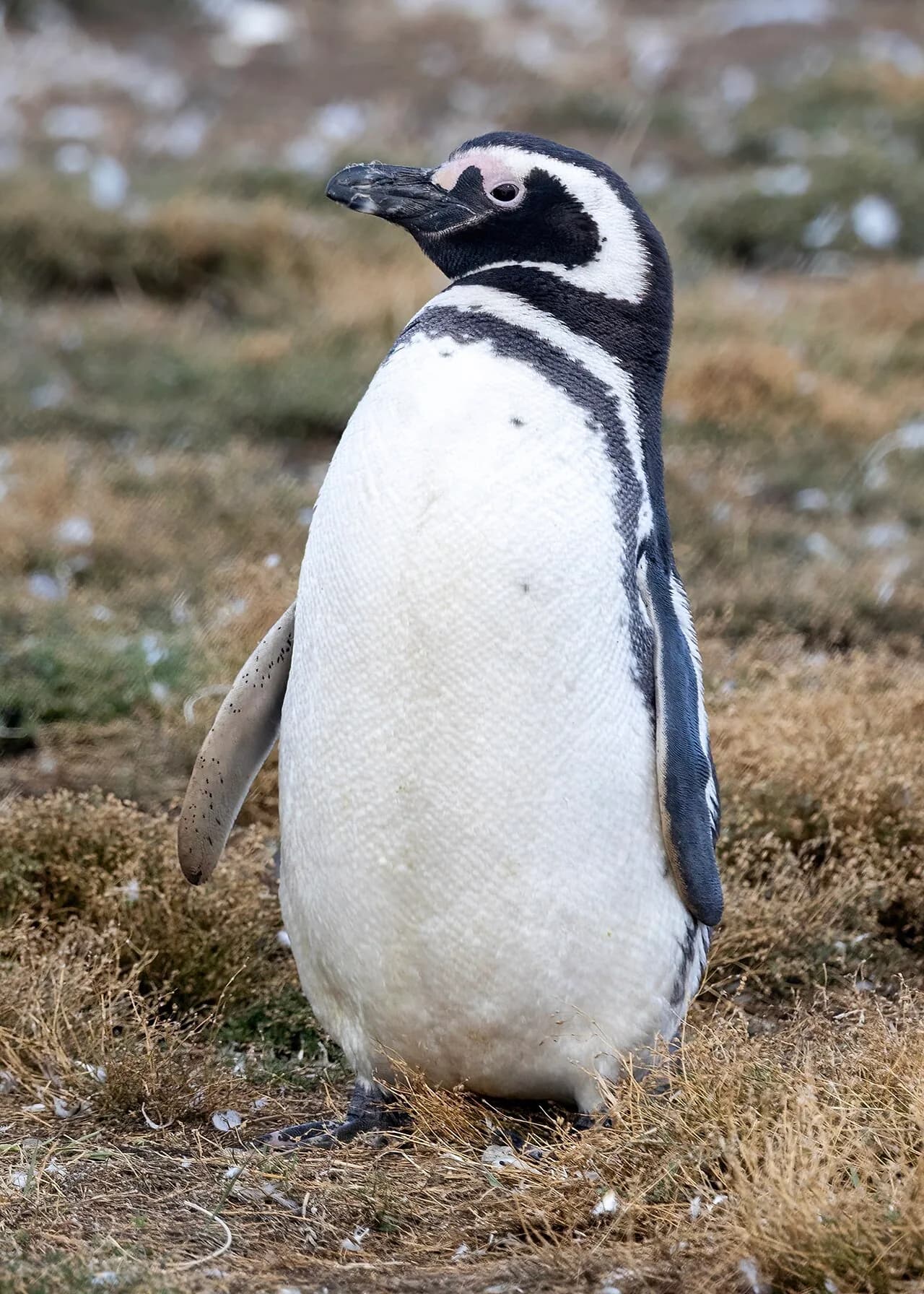
Magellanic Penguin
Spheniscus magellanicus