
Gentoo Penguin
Pygoscelis papua
The third-largest penguin and the fastest underwater swimmer of all penguins at 36 km/h, Gentoos are easily identified by their bright orange-red bill and white "bonnet" across the top of the head.
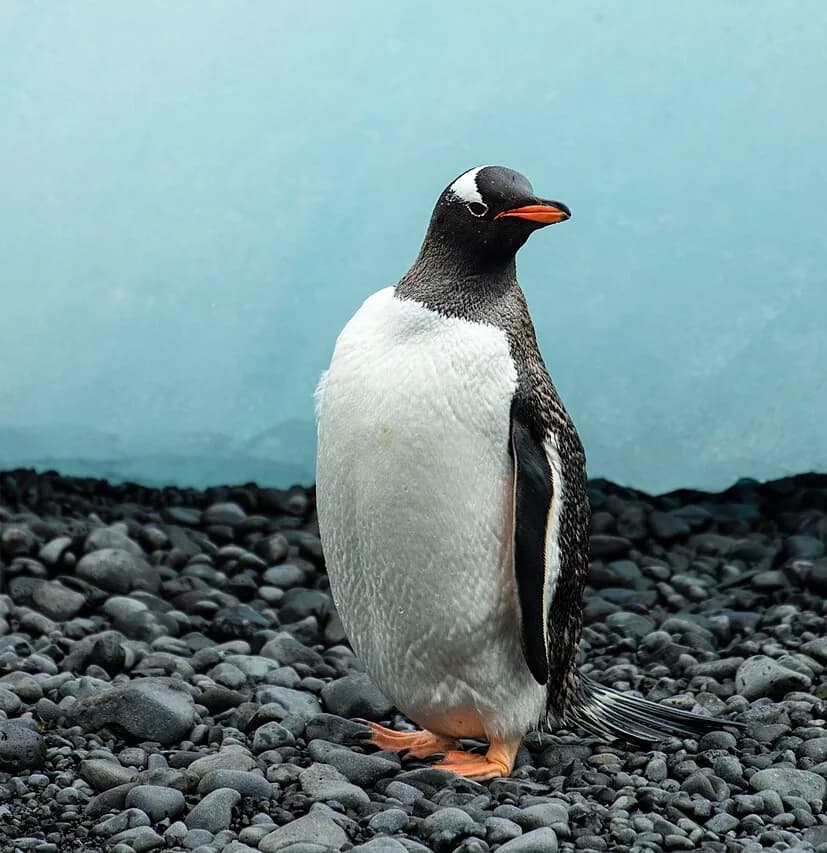
Gentoo penguin walking on a beach
IUCN Red List status
Classified as Least Concern, and unlike many penguin species, Gentoo populations are actually increasing in several areas.
Red List history and threatsEstimated population
~774,000 breeding pairs
Increasing trend
Estimate assessed 2020.
Gentoo penguins are easily recognized by their bright orange-red bills and white patches above the eyes, as well as a white "bonnet" across the top of the head. They are the third-largest penguin species and the fastest underwater swimmers among penguins, reaching about 36 km/h, which helps them chase fish and escape predators such as leopard seals.
Gentoo courtship and nesting are surprisingly architectural: pairs build pebble nests, engage in elaborate displays with bowing and calls, and even "gift" stones to partners while also stealing prized pebbles from neighbors' nests. Unlike many penguin species, Gentoo populations are actually increasing in several areas, making them one of the few penguin success stories in an era of widespread decline.
If You Only Learn One Thing About This Penguin
Gentoo Penguins are the rare case where flexibility looks almost like swagger. Speed, dietary breadth, and adaptable breeding habits have made them one of the few modern penguin success stories.
The Survival Problem
Gentoos survive by staying opportunistic without losing breeding stability, which means exploiting changing coasts while still finding enough food close to colonies.
What Makes This Species Weird
They are the fastest swimming penguins, obsessive pebble collectors, and unusually good at turning ecological flexibility into real colony growth.
Myth vs Reality
Myth
Warming helps Gentoo Penguins everywhere.
Reality
Some populations are expanding, but the gains are local and tied to food access. Gentoo success is not a free pass from marine change.
Behavior & Traits
- Fastest underwater swimmers among penguins, reaching about 36 km/h
- Pairs build pebble nests and engage in elaborate courtship displays with bowing and calls
- Males propose to females by presenting them with a carefully chosen pebble, while also stealing prized stones from neighbors
- Have the most prominent tail of all penguins, which sweeps side to side as they walk
Habitat & Range
Diet
Conservation
Classified as Least Concern, and unlike many penguin species, Gentoo populations are actually increasing in several areas. They appear to be benefiting from warming conditions in some regions, expanding their range southward along the Antarctic Peninsula. However, they remain dependent on healthy marine ecosystems and are vulnerable to localized prey depletion.
Red List history
The Gentoo Penguin is currently listed as Least Concern on the IUCN Red List, with an estimated population of ~774,000 breeding pairs and a increasing trend. We have not recorded a category change for this species.
Check the current Red List assessmentMain threats
- Localized prey depletion
- Disturbance near expanding breeding sites
- Marine ecosystem change
Common predators
Breeding & Movement
Breeding
- Builds pebble nests and usually raises two chicks when food is available.
- Pairs often return to familiar nesting areas in consecutive seasons.
Movement
- Gentoo Penguins spend much of the year foraging at sea and return to established breeding colonies on land or ice.
Fun Facts
Gentoo penguins are the fastest underwater swimmers of all penguins, reaching 36 km/h
Males propose to females by presenting them with the perfect pebble
They have the most prominent tail of all penguins, which sweeps side to side as they walk
Unlike many penguin species, Gentoo populations are actually increasing
Their courtship is surprisingly architectural — pairs build elaborate pebble nests while stealing stones from neighbors
They sport a distinctive white 'bonnet' across the top of the head that sets them apart from other brush-tailed penguins
Their speed underwater helps them both chase fish and escape predators like leopard seals
Research Gap
Scientists still need better forecasts for how far gentoo range expansion can continue before new food or nesting limits push back.
Frequently Asked Questions
How tall is a Gentoo Penguin?
Gentoo Penguins stand 51–90 cm tall and typically weigh 4.5–8.5 kg.
What do Gentoo Penguins eat?
Gentoo Penguins primarily eat crustaceans, fish, and squid. Prey choice tracks ocean conditions and breeding season energy needs as much as preference.
Where do Gentoo Penguins live?
Gentoo Penguins are found in Falkland Islands, South Georgia, Kerguelen Islands, and Antarctic Peninsula. Habitats include Sub-Antarctic islands and Antarctic Peninsula.
What is the main survival problem for Gentoo Penguins?
Gentoos survive by staying opportunistic without losing breeding stability, which means exploiting changing coasts while still finding enough food close to colonies.
Are Gentoo Penguins endangered?
The Gentoo Penguin is classified as Least Concern on the IUCN Red List. Estimated population: ~774,000 breeding pairs. Population trend: increasing. Classified as Least Concern, and unlike many penguin species, Gentoo populations are actually increasing in several areas. They appear to be benefiting from warming conditions in some regions, expanding their range southward along the Antarctic Peninsula. However, they remain dependent on healthy marine ecosystems and are vulnerable to localized prey depletion.
How long do Gentoo Penguins live?
Gentoo Penguins typically live 15–20 years in the wild, though food access, predation, and breeding success can cut that short.
What is a common myth about Gentoo Penguins?
Myth: Warming helps Gentoo Penguins everywhere. Reality: Some populations are expanding, but the gains are local and tied to food access. Gentoo success is not a free pass from marine change.
What threatens Gentoo Penguins?
The main pressures include localized prey depletion, disturbance near expanding breeding sites, and marine ecosystem change. Natural predators include Leopard seals, Sea lions, and Skuas.
What is one surprising fact about Gentoo Penguins?
Gentoo penguins are the fastest underwater swimmers of all penguins, reaching 36 km/h
Written for the Survival Lab series on Penguin Place
Penguin Place is written like a natural-history notebook, not a content mill. The job is to explain what each penguin is up against, what makes it strange, and where the evidence still runs thin.
Quick Facts
- Scientific Name
- Pygoscelis papua
- Height
- 51–90 cm
- Weight
- 4.5–8.5 kg
- Lifespan
- 15–20 years
- Status
- Least Concern
- Population
- ~774,000 breeding pairs
- Genus
- Pygoscelis
Explore by Topic
Status
Genus
Diet
Compare
Start with the closest side-by-side matches by lineage, habitat, and size.
How we source claims
We start with conservation assessments, research institutions, and field guides that have to survive real scrutiny. Then we write only what still sounds true after the comparison.
- Use IUCN, BirdLife, museums, aquariums, conservation groups, and research institutions before broad explainers.
- Lead with a survival problem, not a keyword bucket.
- Say when the science is uncertain instead of sanding every gap into fake certainty.
Further reading
This profile was reviewed on February 6, 2026 using the sources listed below.
- IUCN Red List - Global conservation assessments and extinction-risk categories.
- BirdLife Data Zone - Species accounts, distribution, and population summaries.
- Australian Antarctic Division - Antarctic species profiles, breeding, and environmental context.
- Penguins International - Species explainers and conservation context focused on penguins.
Continue the trail
Broader Survival Lab reading on Penguin Place connected to Gentoo Penguin — survival, habitat, food, and conservation pressure.
How Penguins Dive So Deep
Why some penguins dive like compressed springs, and how Emperor and King Penguins turn oxygen, pressure, and timing into depth.
What Penguins Eat
A guide to krill, fish, squid, and the prey bottlenecks that decide which penguin colonies hold and which ones fail.
Largest Penguins
A ranking of the tallest penguins, plus what big body size buys in cold water, long dives, and slower breeding rhythms.
Related to Gentoo Penguin
Nearby species by lineage, range, size, and conservation pressure — better next reads than a random list.
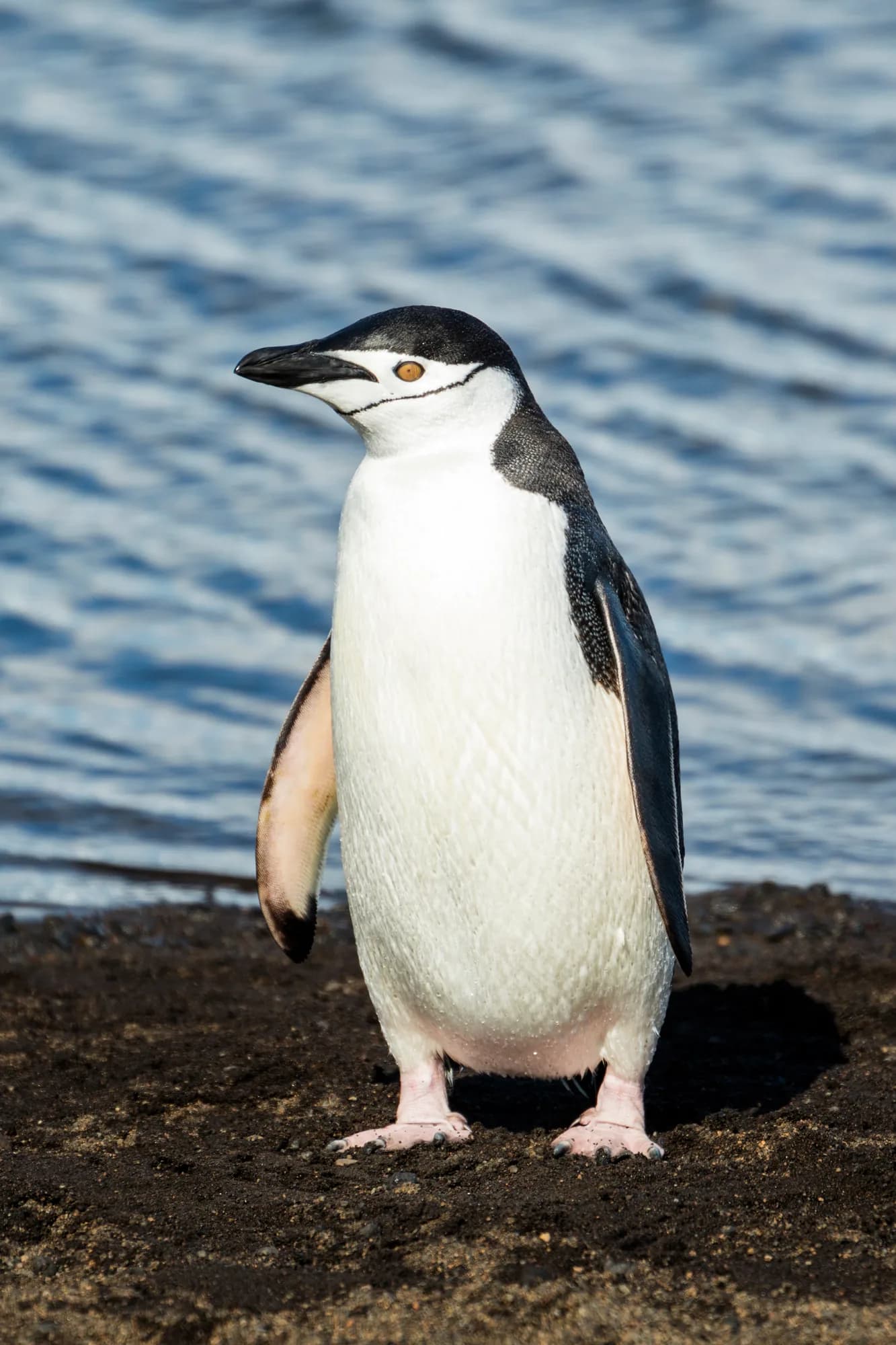
Chinstrap Penguin
Pygoscelis antarcticus
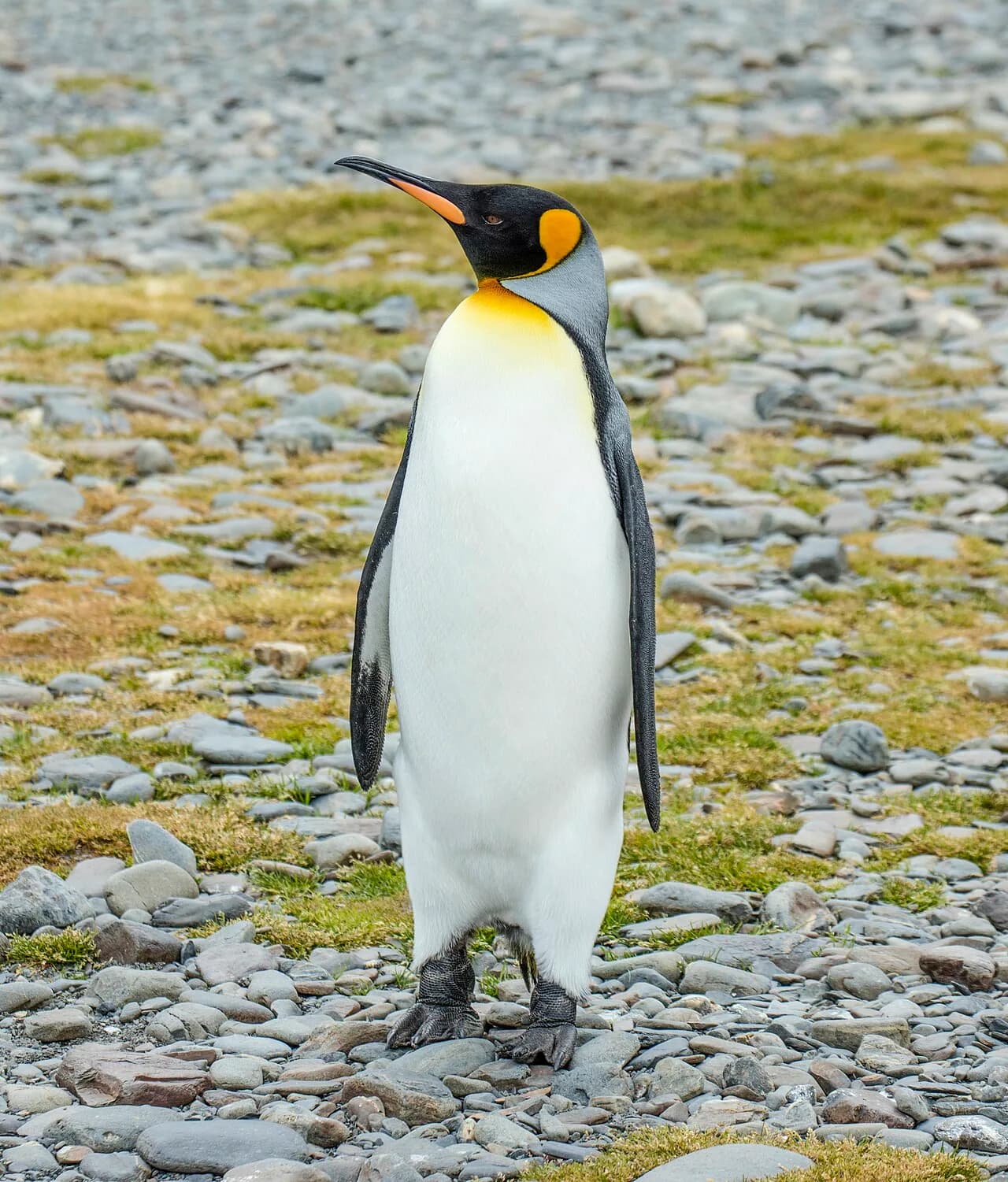
King Penguin
Aptenodytes patagonicus
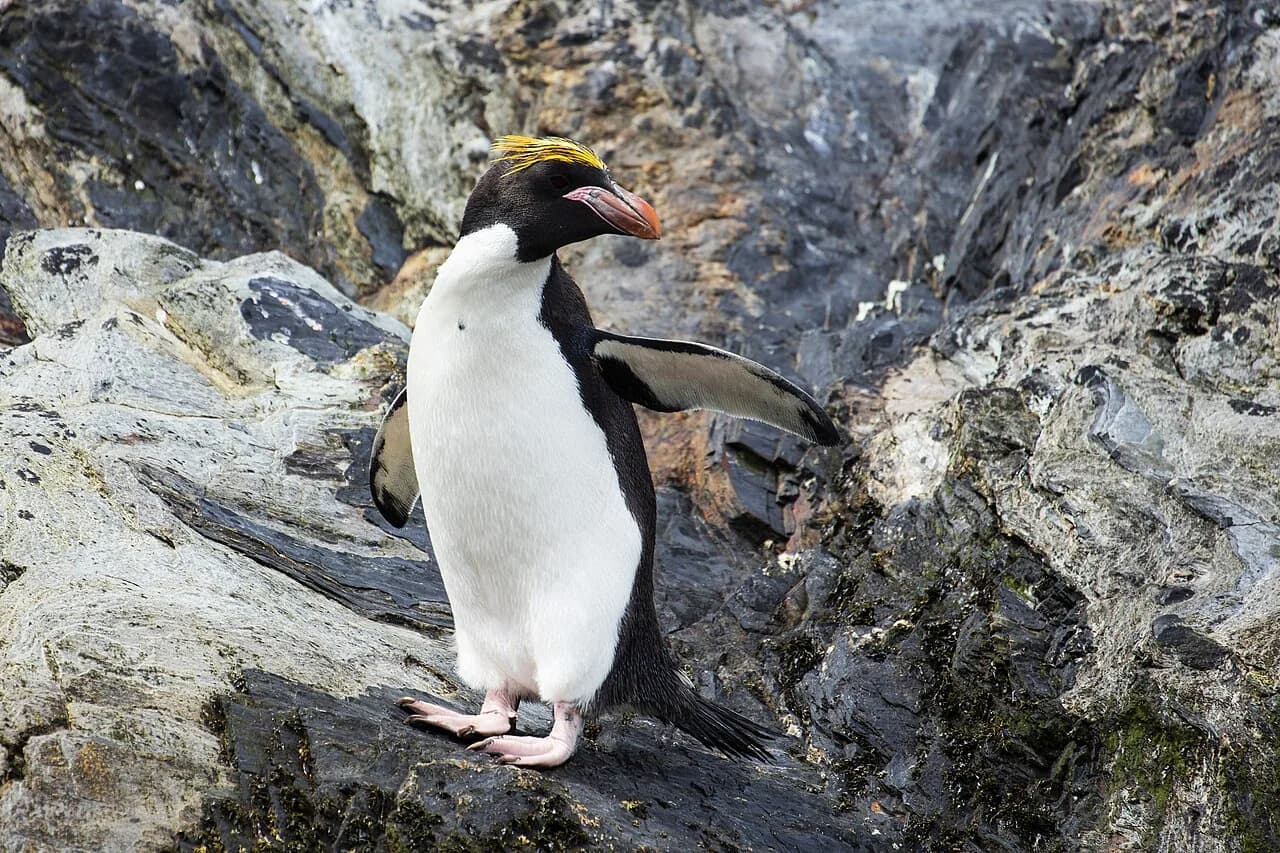
Macaroni Penguin
Eudyptes chrysolophus
Adelie Penguin
Pygoscelis adeliae