
King Penguin
Aptenodytes patagonicus
The second-largest penguin species, King Penguins form some of the largest and densest seabird colonies on Earth, with striking orange and yellow markings and an unusually long 14–16 month breeding cycle.
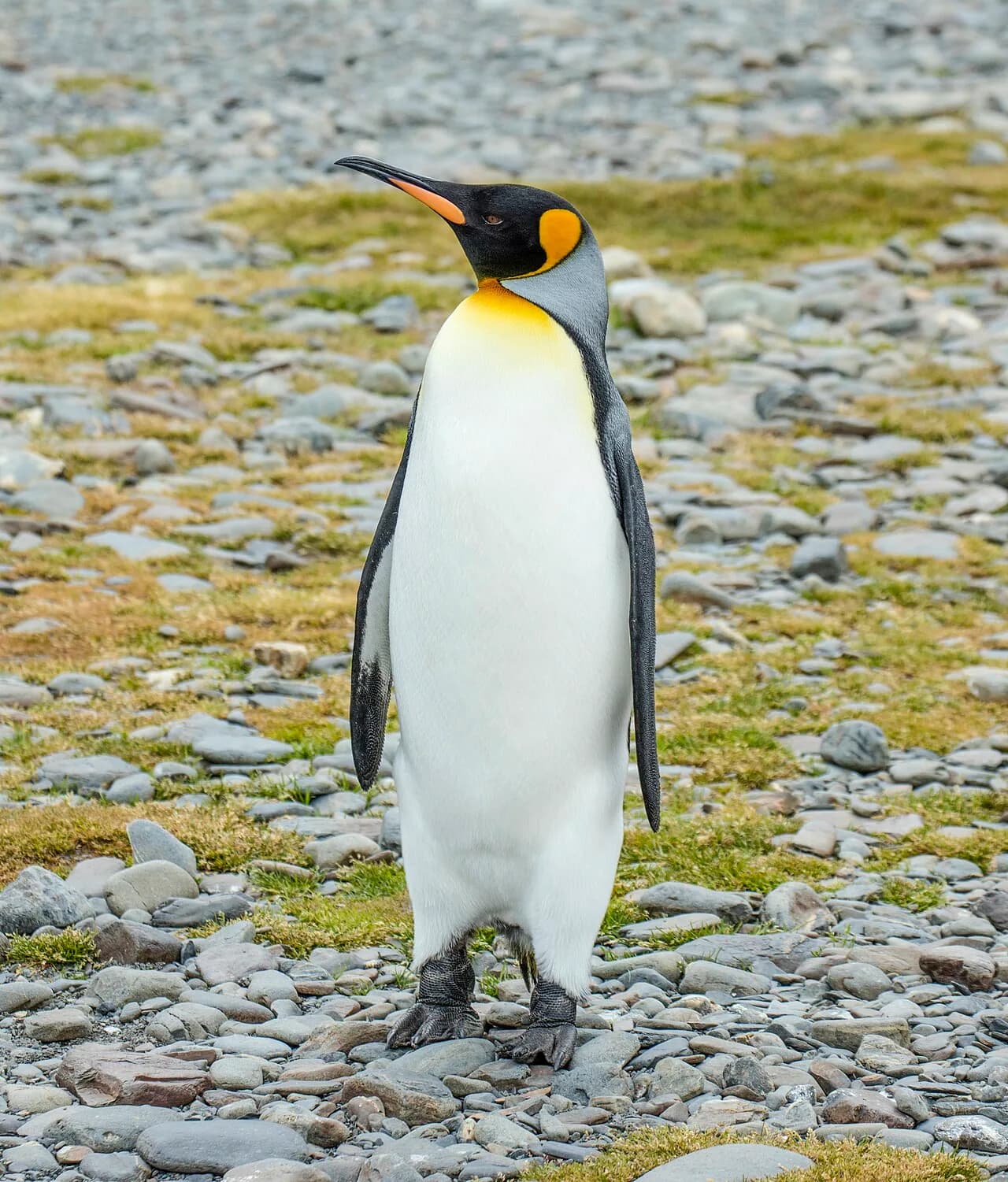
King penguin with vibrant orange markings
IUCN Red List status
Currently classified as Least Concern with a large global population of over 2 million pairs.
Red List history and threatsEstimated population
~2.2 million breeding pairs
Stable trend
Estimate assessed 2020.
King penguins form some of the largest and densest seabird colonies on Earth, with several hundred thousand breeding pairs packed onto snow-free beaches and moraines at islands such as South Georgia and the Crozets. Their striking orange and yellow markings on the sides of the head and upper chest make them one of the most visually spectacular penguin species.
Their chicks spend the entire winter in the colony and may go weeks or even months between meals while parents range far out to sea, a strategy that lets adults exploit distant feeding grounds but demands extreme fasting endurance from chicks. Kings specialize on lanternfish (myctophids), which can make up most of their diet, though they switch to more squid in winter and must evade predators like leopard seals and killer whales at sea.
If You Only Learn One Thing About This Penguin
King Penguins win by stretching parenthood almost absurdly long. Their chicks survive because the species is built around endurance, not speed.
The Survival Problem
A king penguin chick has to make it through a long winter bottleneck while parents commute far offshore for lanternfish, sometimes returning after painfully long gaps.
What Makes This Species Weird
Kings raise chicks on a 14-16 month schedule, which is glacial by penguin standards and forces both adults and chicks to handle extended fasting.
Myth vs Reality
Myth
A King Penguin is just a slightly smaller Emperor.
Reality
Kings are a different survival design: sub-Antarctic, fish-heavy, beach-breeding, and locked into one of the longest breeding cycles in the bird world.
Behavior & Traits
- Have the longest breeding cycle of any penguin at 14–16 months, meaning they can only raise two chicks every three years
- Chicks endure months of fasting in winter colonies while parents forage at sea, sometimes going weeks between meals
- Specialize on lanternfish (myctophids) which can make up the majority of their diet, switching to squid in winter
- Form some of the densest seabird colonies on Earth, with hundreds of thousands of pairs packed onto beaches
Habitat & Range
Diet
Conservation
Currently classified as Least Concern with a large global population of over 2 million pairs. However, climate models suggest that warming ocean temperatures could shift the distribution of their key prey species, lanternfish, potentially forcing colonies to relocate or decline. Some sub-Antarctic island populations are being monitored for early signs of stress.
Red List history
The King Penguin is currently listed as Least Concern on the IUCN Red List, with an estimated population of ~2.2 million breeding pairs and a stable trend. We have not recorded a category change for this species.
Check the current Red List assessmentMain threats
- Ocean warming affecting lanternfish availability
- Extreme weather during long chick-rearing cycles
Common predators
Breeding & Movement
Breeding
- Has one of the longest penguin breeding cycles at roughly 14-16 months.
- Chicks overwinter in colonies while parents forage far offshore.
Movement
- King Penguins spend much of the year foraging at sea and return to established breeding colonies on land or ice.
Fun Facts
King penguins have the longest breeding cycle of any penguin, taking over a year to raise a single chick
Their chicks were once mistaken for a separate species due to their fluffy brown down feathers
They can dive to depths of over 300 meters to hunt for fish
King penguin colonies can contain over 200,000 breeding pairs packed onto snow-free beaches
Chicks may go weeks or even months between meals while waiting for parents to return from distant foraging trips
They must evade leopard seals and killer whales while foraging at sea
Their 14–16 month breeding cycle means a pair can only raise two chicks in a three-year period
Research Gap
Researchers still need a clearer picture of how shifting ocean fronts will change the distance between king colonies and their key foraging grounds.
Frequently Asked Questions
How tall is a King Penguin?
King Penguins stand 85–95 cm tall and typically weigh 11–16 kg.
What do King Penguins eat?
King Penguins primarily eat lanternfish, squid, and small crustaceans. Prey choice tracks ocean conditions and breeding season energy needs as much as preference.
Where do King Penguins live?
King Penguins are found in South Georgia, Falkland Islands, Crozet Islands, Kerguelen Islands, and Macquarie Island. Habitats include Sub-Antarctic islands and Rocky coastlines.
What is the main survival problem for King Penguins?
A king penguin chick has to make it through a long winter bottleneck while parents commute far offshore for lanternfish, sometimes returning after painfully long gaps.
Are King Penguins endangered?
The King Penguin is classified as Least Concern on the IUCN Red List. Estimated population: ~2.2 million breeding pairs. Population trend: stable. Currently classified as Least Concern with a large global population of over 2 million pairs. However, climate models suggest that warming ocean temperatures could shift the distribution of their key prey species, lanternfish, potentially forcing colonies to relocate or decline. Some sub-Antarctic island populations are being monitored for early signs of stress.
How long do King Penguins live?
King Penguins typically live 25–30 years in the wild, though food access, predation, and breeding success can cut that short.
What is a common myth about King Penguins?
Myth: A King Penguin is just a slightly smaller Emperor. Reality: Kings are a different survival design: sub-Antarctic, fish-heavy, beach-breeding, and locked into one of the longest breeding cycles in the bird world.
What threatens King Penguins?
The main pressures include ocean warming affecting lanternfish availability and extreme weather during long chick-rearing cycles. Natural predators include Leopard seals, Killer whales, and Giant petrels.
What is one surprising fact about King Penguins?
King penguins have the longest breeding cycle of any penguin, taking over a year to raise a single chick
Written for the Survival Lab series on Penguin Place
Penguin Place is written like a natural-history notebook, not a content mill. The job is to explain what each penguin is up against, what makes it strange, and where the evidence still runs thin.
Quick Facts
- Scientific Name
- Aptenodytes patagonicus
- Height
- 85–95 cm
- Weight
- 11–16 kg
- Lifespan
- 25–30 years
- Status
- Least Concern
- Population
- ~2.2 million breeding pairs
- Genus
- Aptenodytes
Explore by Topic
Status
Genus
Compare
Start with the closest side-by-side matches by lineage, habitat, and size.
How we source claims
We start with conservation assessments, research institutions, and field guides that have to survive real scrutiny. Then we write only what still sounds true after the comparison.
- Use IUCN, BirdLife, museums, aquariums, conservation groups, and research institutions before broad explainers.
- Lead with a survival problem, not a keyword bucket.
- Say when the science is uncertain instead of sanding every gap into fake certainty.
Further reading
This profile was reviewed on February 3, 2026 using the sources listed below.
- IUCN Red List - Global conservation assessments and extinction-risk categories.
- BirdLife Data Zone - Species accounts, distribution, and population summaries.
- British Antarctic Survey - Antarctic penguin ecology, diving, and sea-ice context.
- Smithsonian Ocean Portal - Penguin biology, anatomy, and breeding explainers.
Continue the trail
Broader Survival Lab reading on Penguin Place connected to King Penguin — survival, habitat, food, and conservation pressure.
Why Penguins Don't Freeze
How Emperor Penguins and their relatives stay alive in lethal cold, from feather geometry to blood-flow tricks and huddle physics.
How Penguins Dive So Deep
Why some penguins dive like compressed springs, and how Emperor and King Penguins turn oxygen, pressure, and timing into depth.
How Penguins Survive Long Fasts
Why fasting is normal penguin biology, from Emperor males on winter sea ice to chicks and moulting birds trapped on land.
Related to King Penguin
Nearby species by lineage, range, size, and conservation pressure — better next reads than a random list.
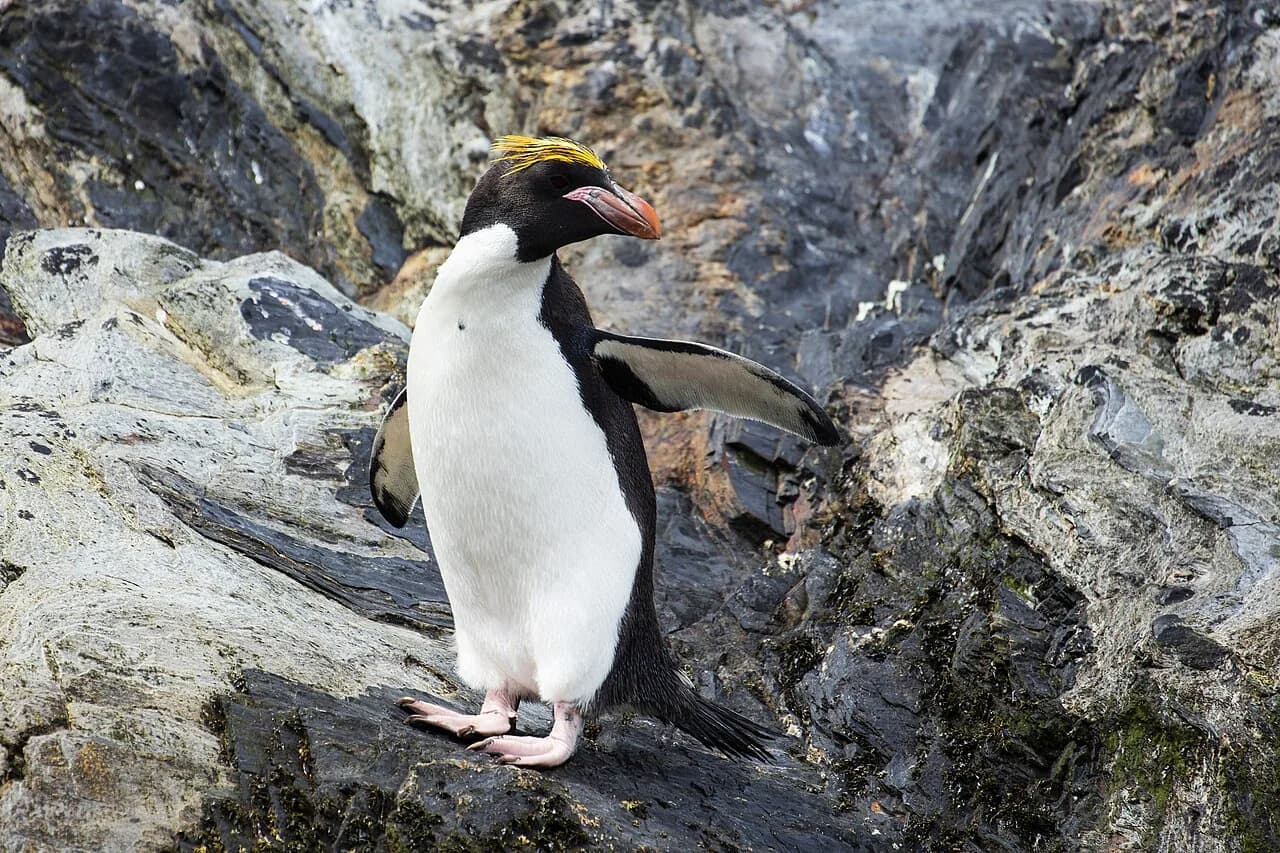
Macaroni Penguin
Eudyptes chrysolophus
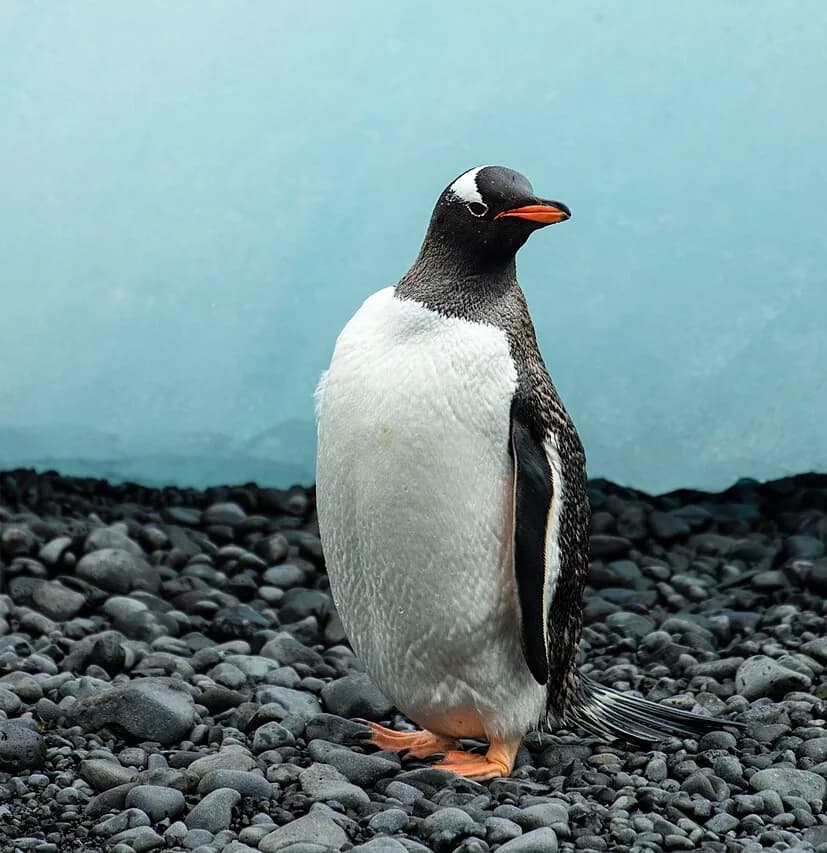
Gentoo Penguin
Pygoscelis papua
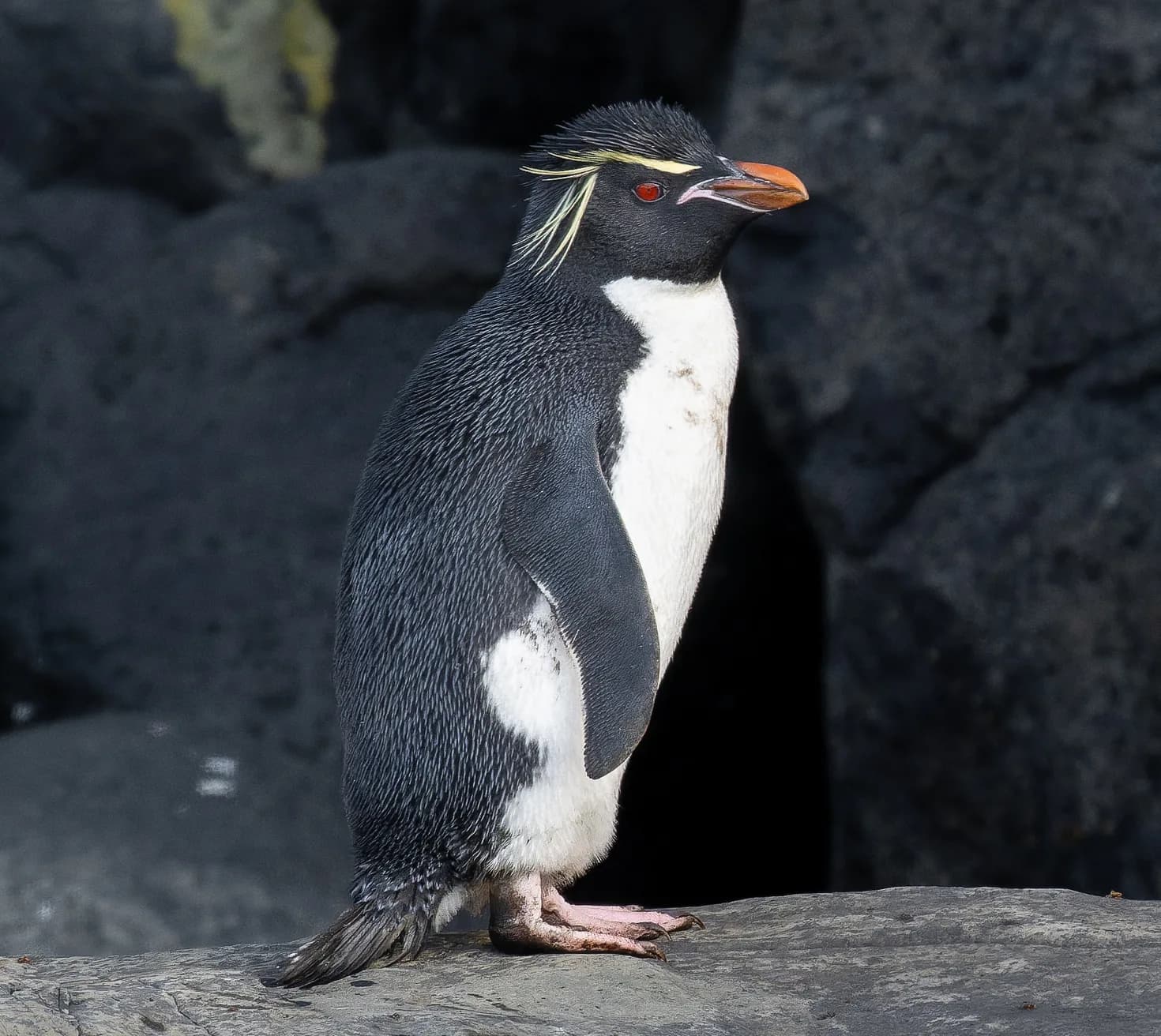
Eastern Rockhopper Penguin
Eudyptes filholi
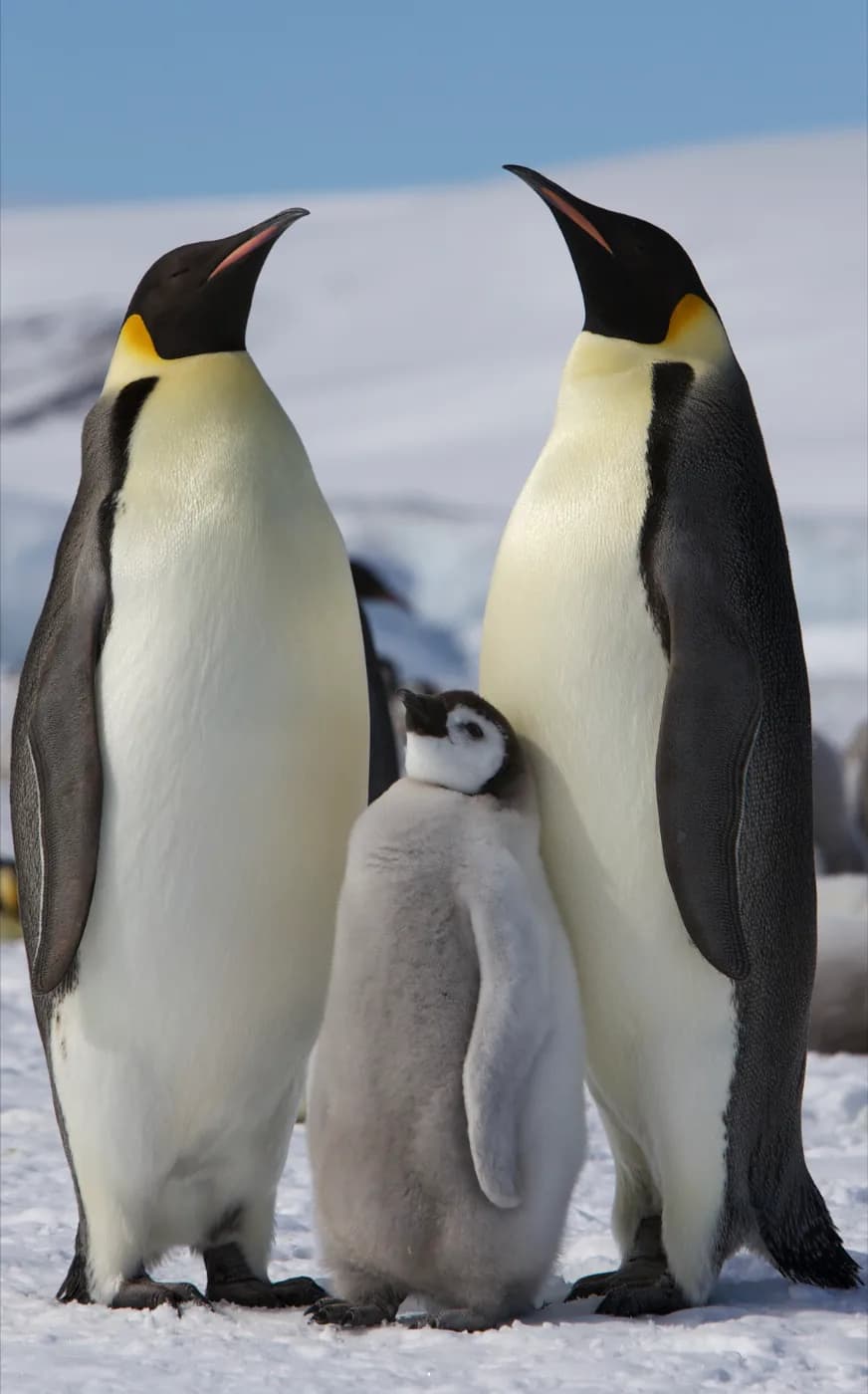
Emperor Penguin
Aptenodytes forsteri