
Little Blue Penguin
Eudyptula minor
The world's smallest penguin species at just 30–33 cm tall and around 1 kg, Little Blue Penguins are unique for their slate-blue plumage and nocturnal habits on land, returning to their burrows only after dark.
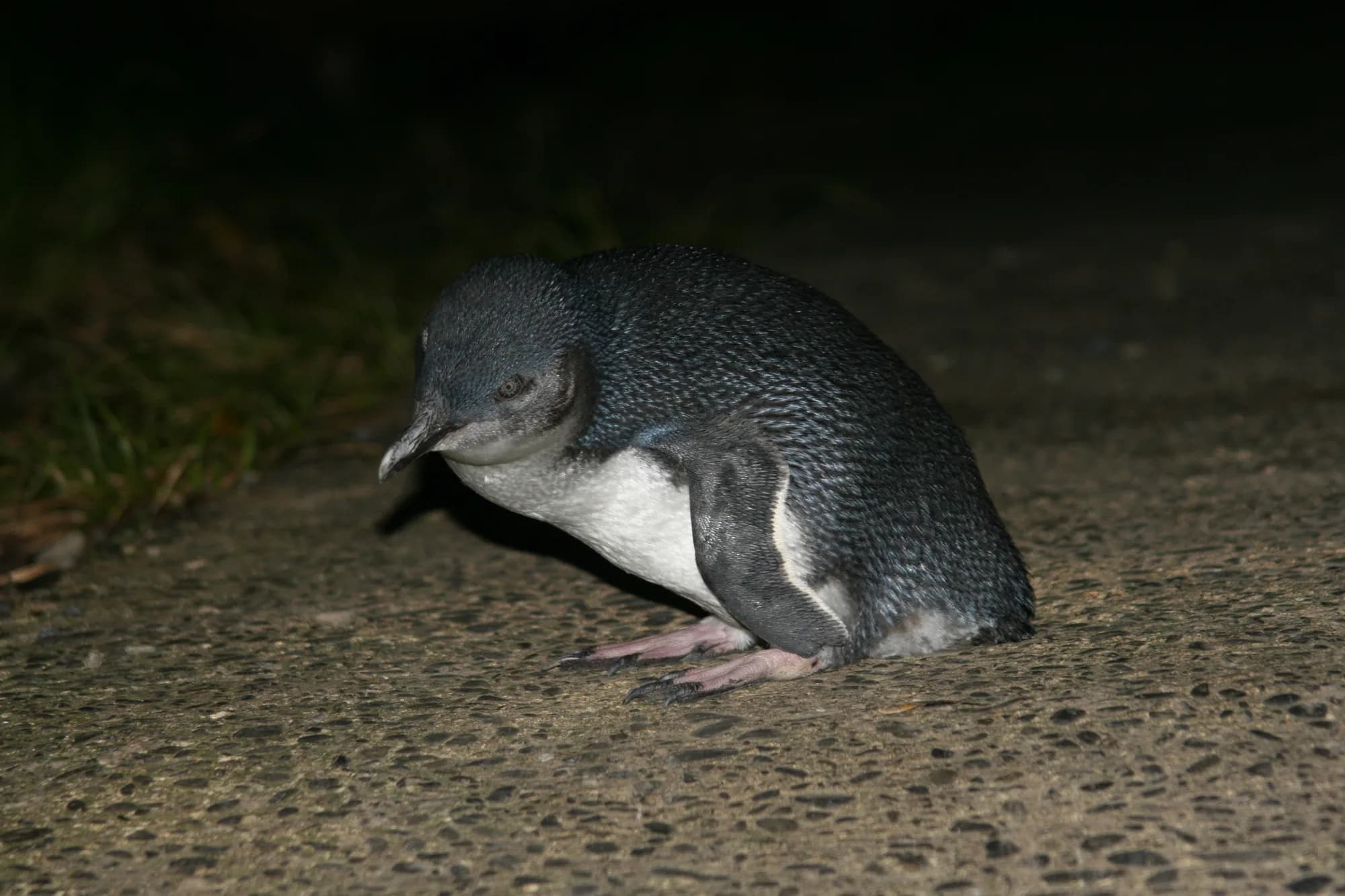
Little blue penguin emerging from burrow
IUCN Red List status
Classified as Least Concern with a wide distribution across southern Australia and New Zealand.
Red List history and threatsEstimated population
~469,760 individuals
Mixed trend
Estimate assessed 2020.
Little penguins are the world's smallest penguin species, weighing around 1.0–1.2 kg, and have slate-blue upperparts that owe their color to densely packed melanosomes in the feathers, which also increase water resistance. Also known as Fairy Penguins in Australia, they stand just 30–33 cm tall and are unique among penguins for their blue-grey plumage rather than the typical black and white.
They are unusual among penguins in being nocturnal on land: birds return from foraging at sea around dusk, move up the shore under cover of darkness to burrows or nests under vegetation, and generally depart again before dawn. Little penguins are widely distributed around southern Australia and New Zealand, nesting in burrows, rock crevices or under bushes, and show considerable geographic variation with several described subspecies and a closely related Australian species now often split as Eudyptula novaehollandiae.
If You Only Learn One Thing About This Penguin
The Little Blue Penguin survives by being small, coastal, and secretive. It is a night commuter living in a world that humans have made dangerously easy for predators.
The Survival Problem
Little Blues have to breed close enough to shore for short feeding trips while still keeping nests safe from dogs, cats, traffic, lights, and rough weather.
What Makes This Species Weird
They are the smallest penguins on Earth, and many colonies only really reveal themselves after dark when the birds come ashore in blue-gray little packs.
Myth vs Reality
Myth
Suburban penguins must be thriving if people see them so often.
Reality
Some local colonies persist precisely because volunteers and protections are doing heavy lifting. Left alone, many sites unravel quickly.
Behavior & Traits
- Nocturnal on land — return from foraging at sea around dusk and depart again before dawn
- Nest in burrows, rock crevices, or under bushes rather than in open colonies
- Their slate-blue plumage owes its color to densely packed melanosomes that also increase water resistance
- Show considerable geographic variation with several described subspecies across their range
Habitat & Range
Diet
Conservation
Classified as Least Concern with a wide distribution across southern Australia and New Zealand. Urban development, introduced predators (dogs, cats, foxes), and vehicle strikes pose localized threats. Conservation programs including predator-proof fencing and nest boxes have been successful at several colonies, and the famous Phillip Island Penguin Parade in Australia has become a model for sustainable wildlife tourism.
Red List history
The Little Blue Penguin is currently listed as Least Concern on the IUCN Red List, with an estimated population of ~469,760 individuals and a mixed trend. We have not recorded a category change for this species.
Check the current Red List assessmentMain threats
- Introduced predators near nesting sites
- Coastal development
- Storm-driven chick losses
Common predators
Breeding & Movement
Breeding
- Uses burrows, rock crevices, and sheltered vegetation near shore.
- Parents return from the sea after dusk to reduce predation risk.
Movement
- Usually forages close to shore and returns to small coastal colonies at night.
Fun Facts
They are the smallest penguin species, standing only about 30 cm tall and weighing around 1 kg
Also known as Fairy Penguins in Australia due to their tiny size
They are nocturnal on land and only come ashore after dark to avoid predators
Their blue plumage is caused by densely packed melanosomes in the feathers, which also increase water resistance
A closely related Australian species is now often split as a separate species, Eudyptula novaehollandiae
The famous Phillip Island Penguin Parade in Australia draws hundreds of thousands of visitors annually to watch them come ashore at dusk
They nest in burrows, rock crevices, or under bushes — quite different from the open colonies of most penguin species
Research Gap
The practical research gap is which coastal interventions actually improve chick survival most: predator control, lighting changes, burrow management, or shoreline access limits.
Frequently Asked Questions
How tall is a Little Blue Penguin?
Little Blue Penguins stand 30–33 cm tall and typically weigh 1–1.5 kg.
What do Little Blue Penguins eat?
Little Blue Penguins primarily eat small fish, squid, and crustaceans. Prey choice tracks ocean conditions and breeding season energy needs as much as preference.
Where do Little Blue Penguins live?
Little Blue Penguins are found in New Zealand and Southern Australia. Habitats include Rocky coastlines, Burrows, and Coastal forests.
What is the main survival problem for Little Blue Penguins?
Little Blues have to breed close enough to shore for short feeding trips while still keeping nests safe from dogs, cats, traffic, lights, and rough weather.
Are Little Blue Penguins endangered?
The Little Blue Penguin is classified as Least Concern on the IUCN Red List. Estimated population: ~469,760 individuals. Population trend: mixed. Classified as Least Concern with a wide distribution across southern Australia and New Zealand. Urban development, introduced predators (dogs, cats, foxes), and vehicle strikes pose localized threats. Conservation programs including predator-proof fencing and nest boxes have been successful at several colonies, and the famous Phillip Island Penguin Parade in Australia has become a model for sustainable wildlife tourism.
How long do Little Blue Penguins live?
Little Blue Penguins typically live 6–25 years in the wild, though food access, predation, and breeding success can cut that short.
What is a common myth about Little Blue Penguins?
Myth: Suburban penguins must be thriving if people see them so often. Reality: Some local colonies persist precisely because volunteers and protections are doing heavy lifting. Left alone, many sites unravel quickly.
What threatens Little Blue Penguins?
The main pressures include introduced predators near nesting sites, coastal development, and storm-driven chick losses. Natural predators include Dogs and cats near colonies, Fur seals, and Large gulls.
What is one surprising fact about Little Blue Penguins?
They are the smallest penguin species, standing only about 30 cm tall and weighing around 1 kg
Written for the Survival Lab series on Penguin Place
Penguin Place is written like a natural-history notebook, not a content mill. The job is to explain what each penguin is up against, what makes it strange, and where the evidence still runs thin.
Quick Facts
- Scientific Name
- Eudyptula minor
- Height
- 30–33 cm
- Weight
- 1–1.5 kg
- Lifespan
- 6–25 years
- Status
- Least Concern
- Population
- ~469,760 individuals
- Genus
- Eudyptula
Explore by Topic
Status
Genus
Habitats
Compare
Start with the closest side-by-side matches by lineage, habitat, and size.
How we source claims
We start with conservation assessments, research institutions, and field guides that have to survive real scrutiny. Then we write only what still sounds true after the comparison.
- Use IUCN, BirdLife, museums, aquariums, conservation groups, and research institutions before broad explainers.
- Lead with a survival problem, not a keyword bucket.
- Say when the science is uncertain instead of sanding every gap into fake certainty.
Further reading
This profile was reviewed on January 14, 2026 using the sources listed below.
- IUCN Red List - Global conservation assessments and extinction-risk categories.
- BirdLife Data Zone - Species accounts, distribution, and population summaries.
- Australian Museum - Little penguin biology and coastal breeding behavior.
- New Zealand Department of Conservation Penguins Hub - New Zealand penguin species, threats, and habitat guidance.
Continue the trail
Broader Survival Lab reading on Penguin Place connected to Little Blue Penguin — survival, habitat, food, and conservation pressure.
Why Penguins Don't Freeze
How Emperor Penguins and their relatives stay alive in lethal cold, from feather geometry to blood-flow tricks and huddle physics.
How Penguins Survive Long Fasts
Why fasting is normal penguin biology, from Emperor males on winter sea ice to chicks and moulting birds trapped on land.
How Many Penguin Species Are There?
A field-guide answer to the living penguin count, why many lists say 18, and why Penguin Place profiles 19 after the rockhopper split.
Related to Little Blue Penguin
Nearby species by lineage, range, size, and conservation pressure — better next reads than a random list.
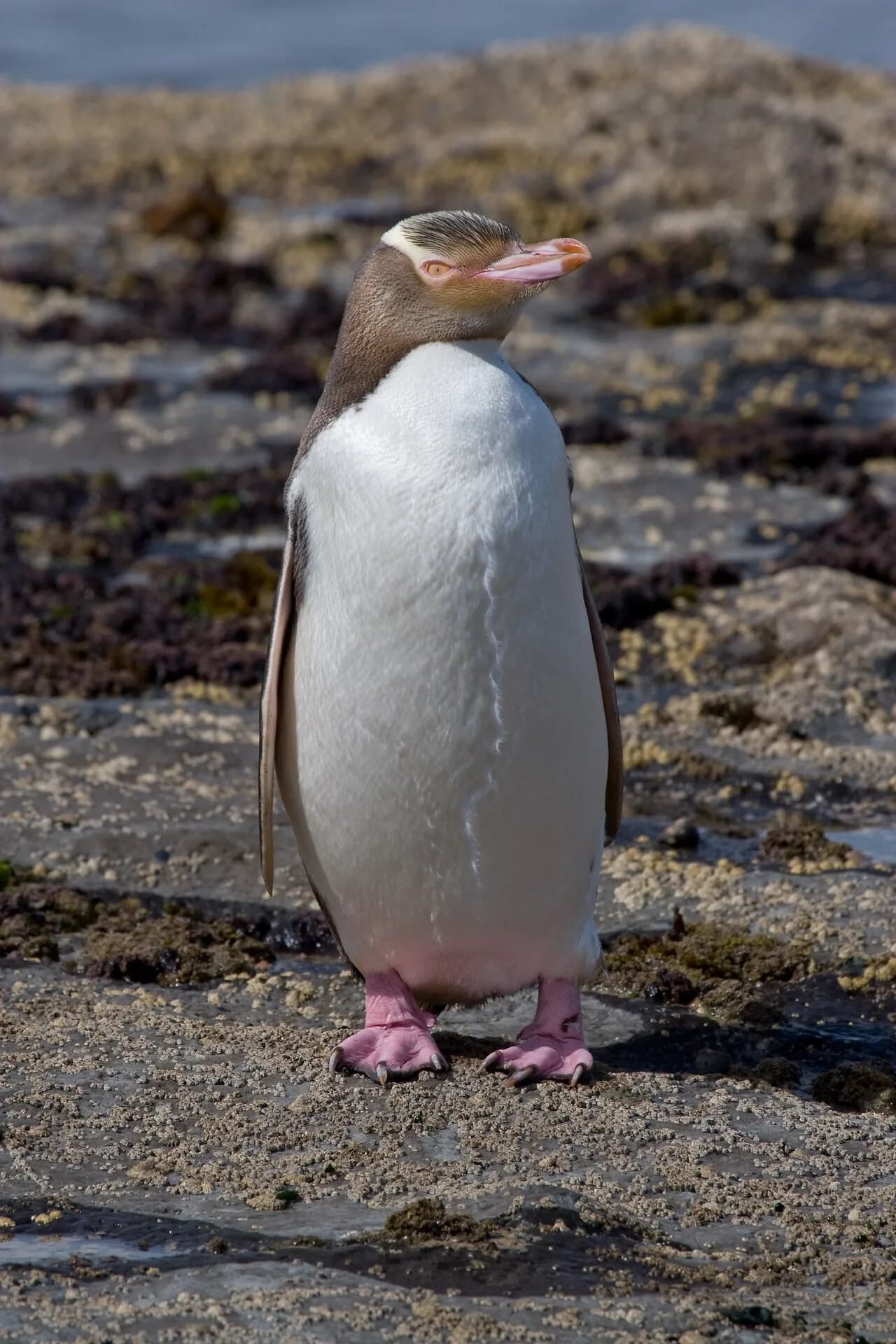
Yellow-eyed Penguin
Megadyptes antipodes
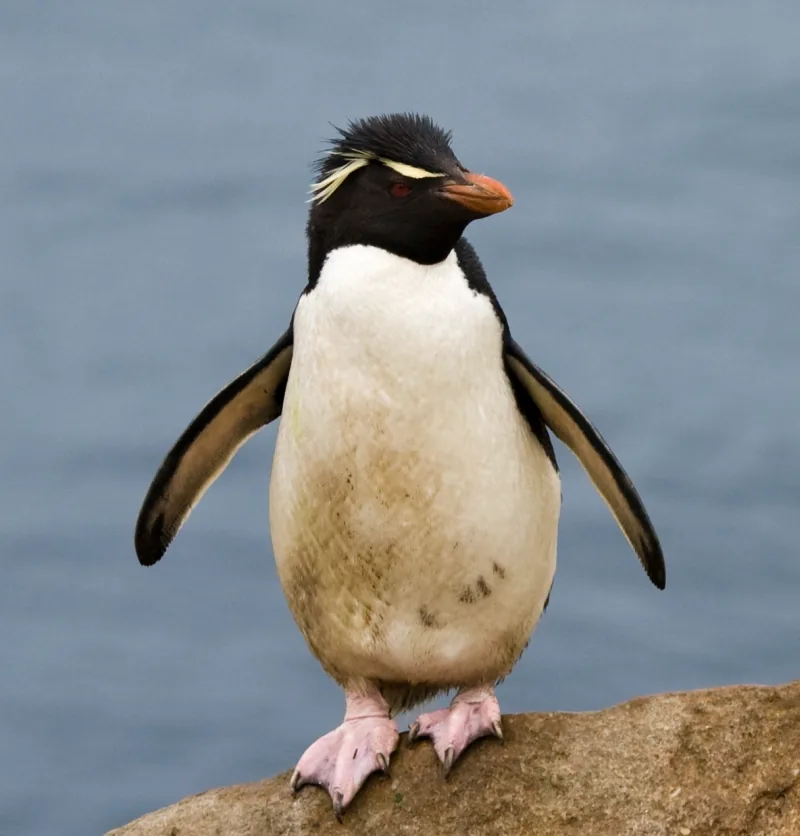
Western Rockhopper Penguin
Eudyptes chrysocome
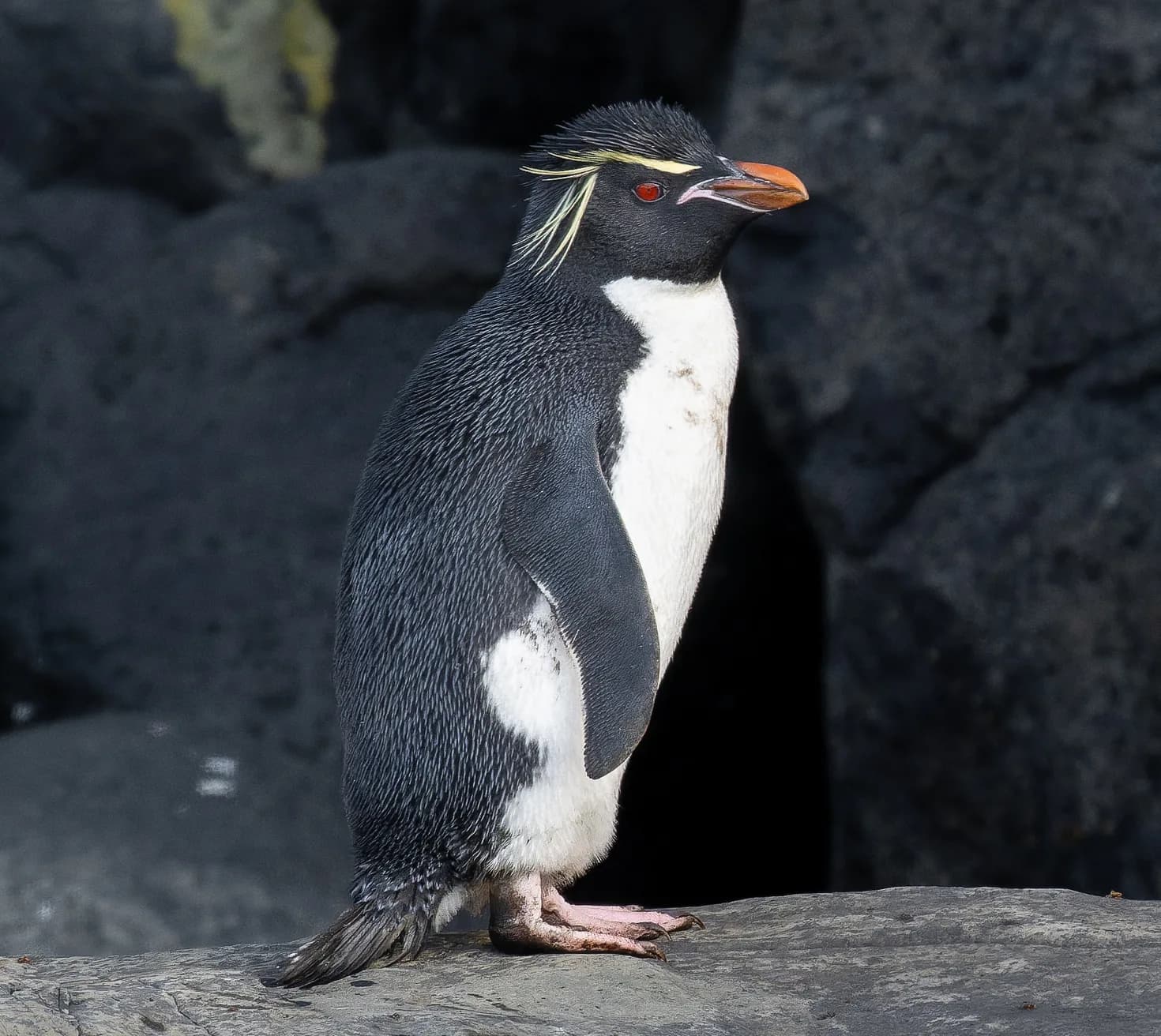
Eastern Rockhopper Penguin
Eudyptes filholi
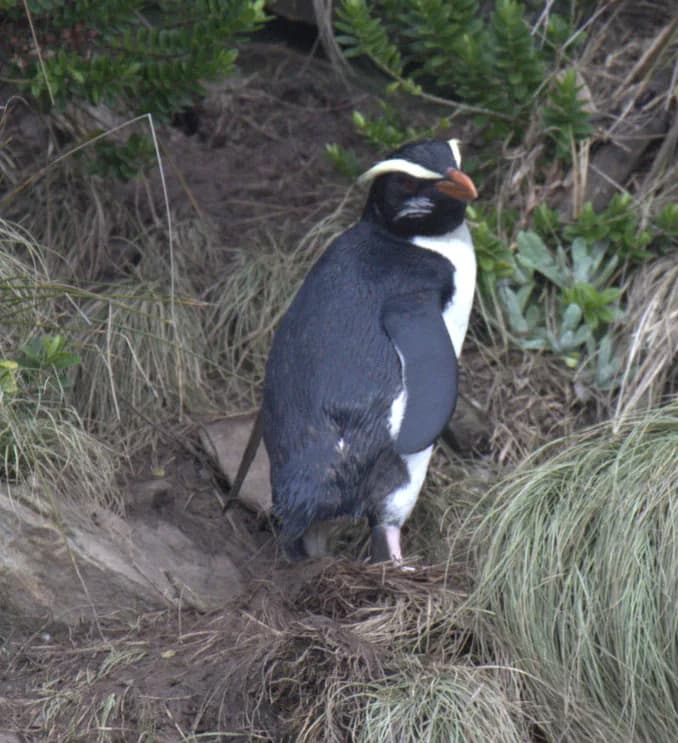
Fiordland Penguin
Eudyptes pachyrhynchus