
Royal Penguin
Eudyptes schlegeli
Found exclusively on Macquarie Island, Royal Penguins are closely related to Macaroni Penguins but distinguished by their white or pale grey face. Their species status is still debated by scientists.
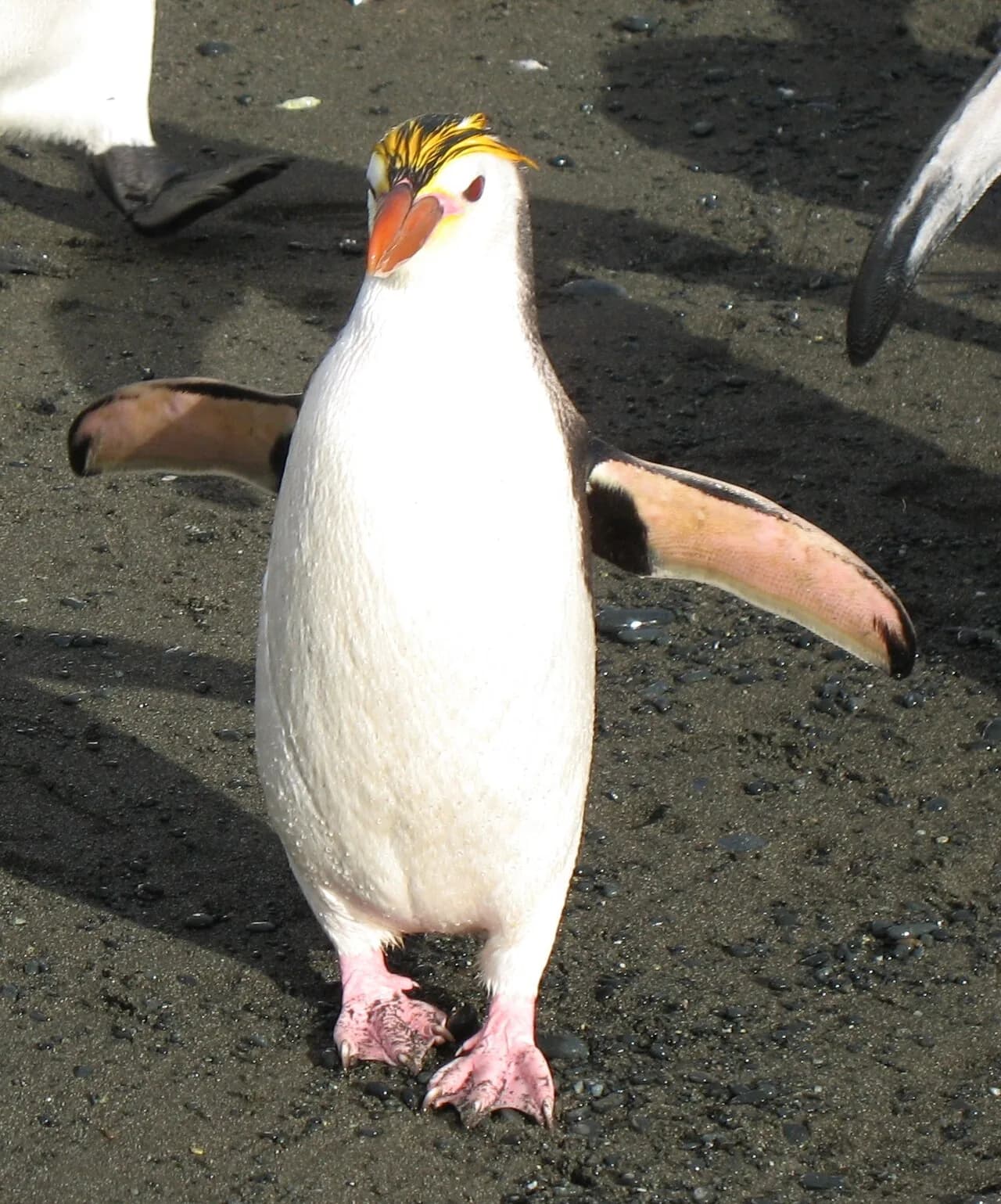
Royal penguin on Macquarie Island beach
Estimated population
~850,000 breeding pairs
Stable trend
Estimate assessed 2020.
Royal penguins are very similar to macaronis but have a white face and chin instead of a black one, and they breed almost exclusively on sub-Antarctic Macquarie Island and nearby islets. There has been long-running debate over whether they are a separate species or just a macaroni subspecies, especially since some interbreeding occurs, but they are currently treated as a distinct species.
Like other Eudyptes penguins they nest colonially on beaches and vegetated slopes, typically laying two eggs but successfully raising only one chick, with parents alternating long incubation shifts of around 12 days. They were hunted for their oil until 1919 when Macquarie Island became a wildlife sanctuary, and their population has since recovered to around 850,000 pairs.
If You Only Learn One Thing About This Penguin
Royal Penguins are a reminder that a species can look numerically strong while still being geographically narrow. Most of the story leads back to Macquarie Island.
The Survival Problem
Because breeding is concentrated almost entirely on one island, any big shift in local marine productivity or colony conditions scales up very quickly.
What Makes This Species Weird
They are close relatives of the macaroni complex, but their defining trait is not the face. It is the fact that so much of the species is tied to one remote place.
Myth vs Reality
Myth
A giant colony on one island is a sign of safety.
Reality
Concentration is efficiency until it becomes a bottleneck. For Royal Penguins, Macquarie is both fortress and vulnerability.
Behavior & Traits
- Nest colonially on beaches and vegetated slopes, laying two eggs but raising only one chick
- Parents alternate long incubation shifts of around 12 days
- Some interbreeding with Macaroni Penguins occurs, fueling the ongoing species debate
- Population recovered from historical oil hunting after Macquarie Island became a sanctuary in 1919
Habitat & Range
Diet
Conservation
Listed as Near Threatened. Historically hunted for their oil until Macquarie Island became a sanctuary in 1919, their population has since recovered to around 850,000 pairs. The successful eradication of introduced rabbits and rodents from Macquarie Island in 2014 has further improved their breeding habitat. Their extreme geographic concentration on one island remains a vulnerability.
Red List history
The Royal Penguin is currently listed as Near Threatened on the IUCN Red List, with an estimated population of ~850,000 breeding pairs and a stable trend. We have not recorded a category change for this species.
Check the current Red List assessmentMain threats
- Marine food-web shifts
- Storm exposure at coastal colonies
- Localized human disturbance
Common predators
Breeding & Movement
Breeding
- Breeds almost entirely on Macquarie Island in large, crowded colonies.
- Pairs rely on repeated foraging trips into productive Southern Ocean waters.
Movement
- Royal Penguins spend much of the year foraging at sea and return to established breeding colonies on land or ice.
Fun Facts
Found only on Macquarie Island — one of the most restricted ranges of any penguin
Some scientists debate whether they are a separate species from Macaroni Penguins
They were hunted for their oil until 1919 when Macquarie Island became a sanctuary
Distinguished from Macaroni Penguins by their white face and chin
Parents alternate incubation shifts of around 12 days while the other forages at sea
Like other crested penguins, they lay two eggs but typically raise only one chick
The eradication of introduced rabbits and rodents from Macquarie Island in 2014 improved their breeding habitat
Research Gap
The open question is how resilient Macquarie-centered breeding will remain if food shifts push adult foraging farther offshore.
Frequently Asked Questions
How tall is a Royal Penguin?
Royal Penguins stand 65–76 cm tall and typically weigh 3–8 kg.
What do Royal Penguins eat?
Royal Penguins primarily eat krill, small fish, and squid. Prey choice tracks ocean conditions and breeding season energy needs as much as preference.
Where do Royal Penguins live?
Royal Penguins are found in Macquarie Island (Australia). Habitats include Sandy and rocky beaches and Vegetation-covered slopes.
What is the main survival problem for Royal Penguins?
Because breeding is concentrated almost entirely on one island, any big shift in local marine productivity or colony conditions scales up very quickly.
Are Royal Penguins endangered?
The Royal Penguin is classified as Near Threatened on the IUCN Red List. Estimated population: ~850,000 breeding pairs. Population trend: stable. Listed as Near Threatened. Historically hunted for their oil until Macquarie Island became a sanctuary in 1919, their population has since recovered to around 850,000 pairs. The successful eradication of introduced rabbits and rodents from Macquarie Island in 2014 has further improved their breeding habitat. Their extreme geographic concentration on one island remains a vulnerability.
How long do Royal Penguins live?
Royal Penguins typically live 15–20 years in the wild, though food access, predation, and breeding success can cut that short.
What is a common myth about Royal Penguins?
Myth: A giant colony on one island is a sign of safety. Reality: Concentration is efficiency until it becomes a bottleneck. For Royal Penguins, Macquarie is both fortress and vulnerability.
What threatens Royal Penguins?
The main pressures include marine food-web shifts, storm exposure at coastal colonies, and localized human disturbance. Natural predators include Leopard seals, Skuas, and Giant petrels.
What is one surprising fact about Royal Penguins?
Found only on Macquarie Island — one of the most restricted ranges of any penguin
Written for the Survival Lab series on Penguin Place
Penguin Place is written like a natural-history notebook, not a content mill. The job is to explain what each penguin is up against, what makes it strange, and where the evidence still runs thin.
Quick Facts
- Scientific Name
- Eudyptes schlegeli
- Height
- 65–76 cm
- Weight
- 3–8 kg
- Lifespan
- 15–20 years
- Status
- Near Threatened
- Population
- ~850,000 breeding pairs
- Genus
- Eudyptes
Explore by Topic
Status
Genus
Regions
Compare
Start with the closest side-by-side matches by lineage, habitat, and size.
How we source claims
We start with conservation assessments, research institutions, and field guides that have to survive real scrutiny. Then we write only what still sounds true after the comparison.
- Use IUCN, BirdLife, museums, aquariums, conservation groups, and research institutions before broad explainers.
- Lead with a survival problem, not a keyword bucket.
- Say when the science is uncertain instead of sanding every gap into fake certainty.
Further reading
This profile was reviewed on February 14, 2026 using the sources listed below.
- IUCN Red List - Global conservation assessments and extinction-risk categories.
- BirdLife Data Zone - Species accounts, distribution, and population summaries.
- Australian Antarctic Division - Antarctic species profiles, breeding, and environmental context.
- Penguins International - Species explainers and conservation context focused on penguins.
Related to Royal Penguin
Nearby species by lineage, range, size, and conservation pressure — better next reads than a random list.
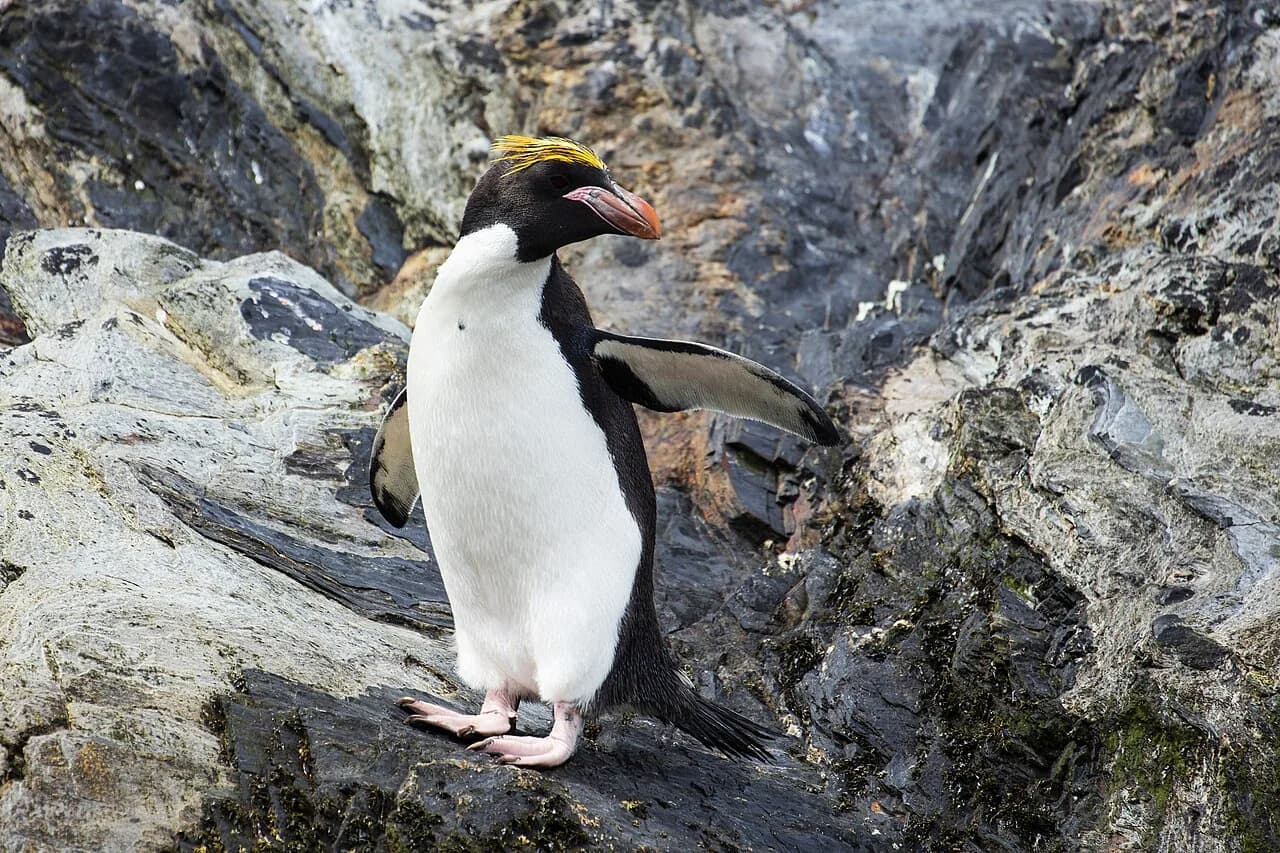
Macaroni Penguin
Eudyptes chrysolophus
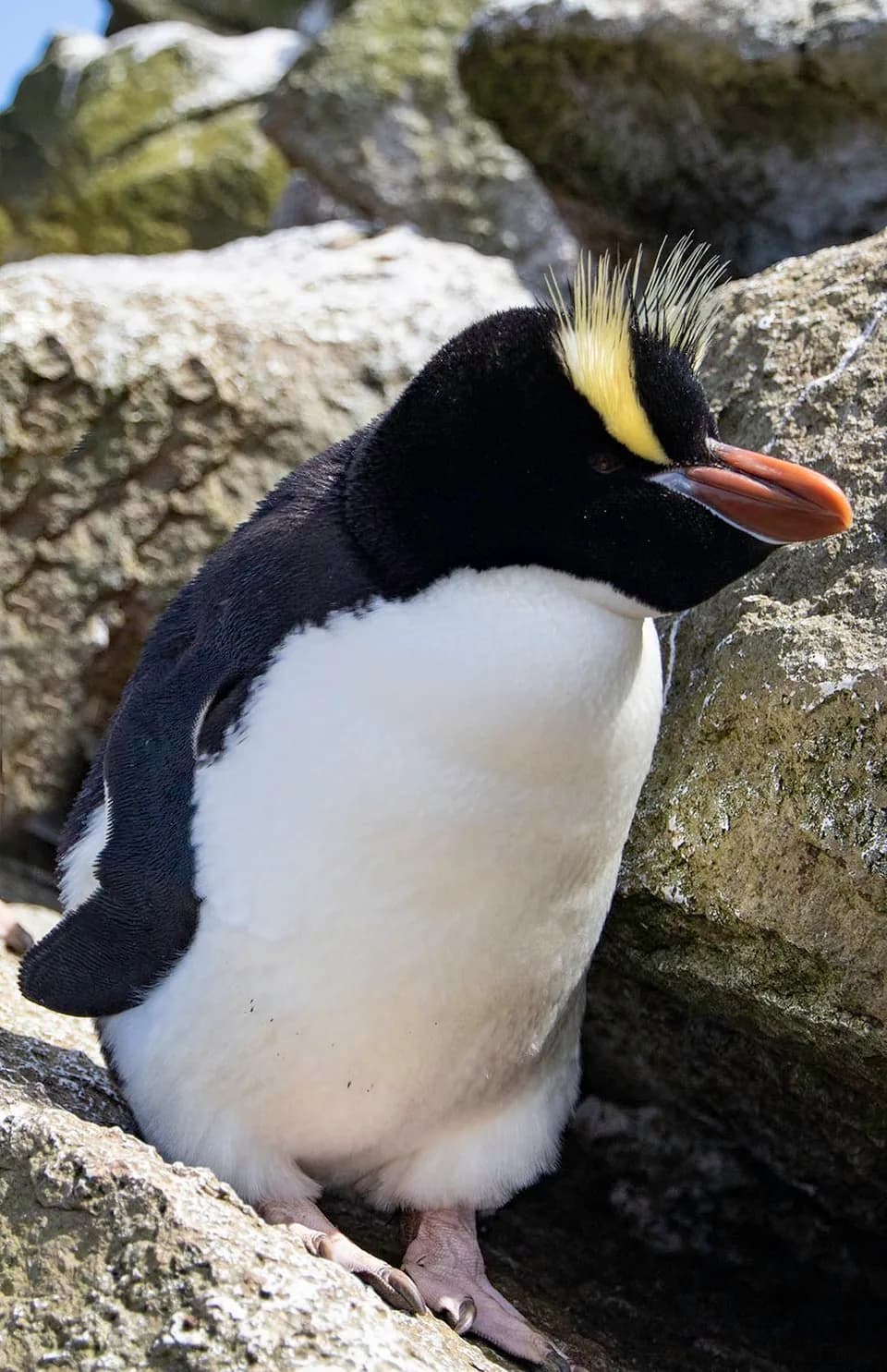
Erect-crested Penguin
Eudyptes sclateri
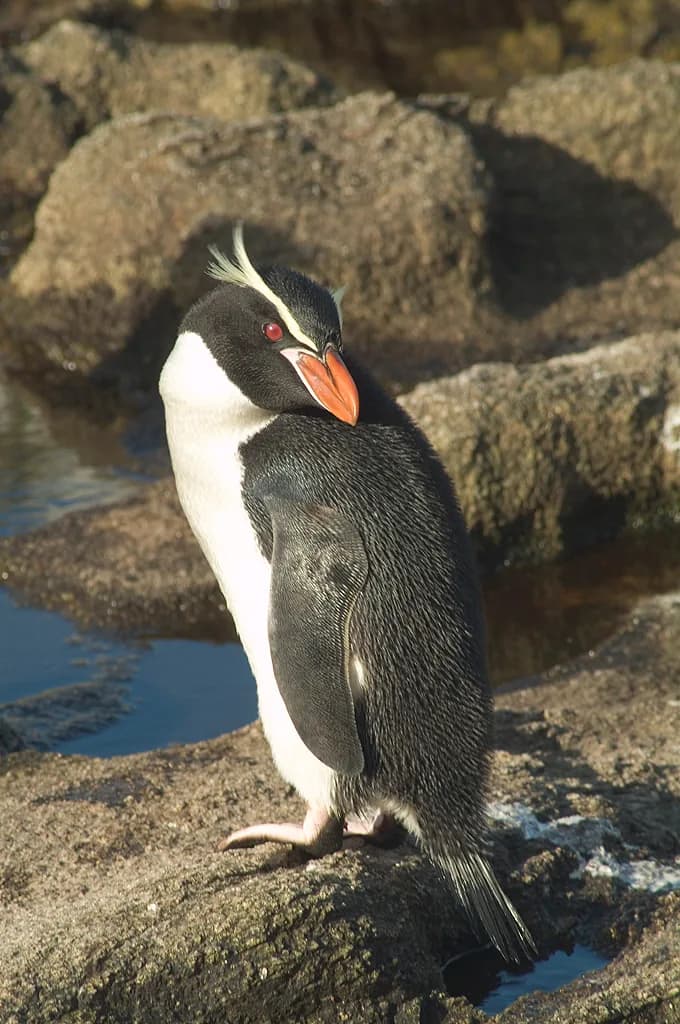
Snares Penguin
Eudyptes robustus
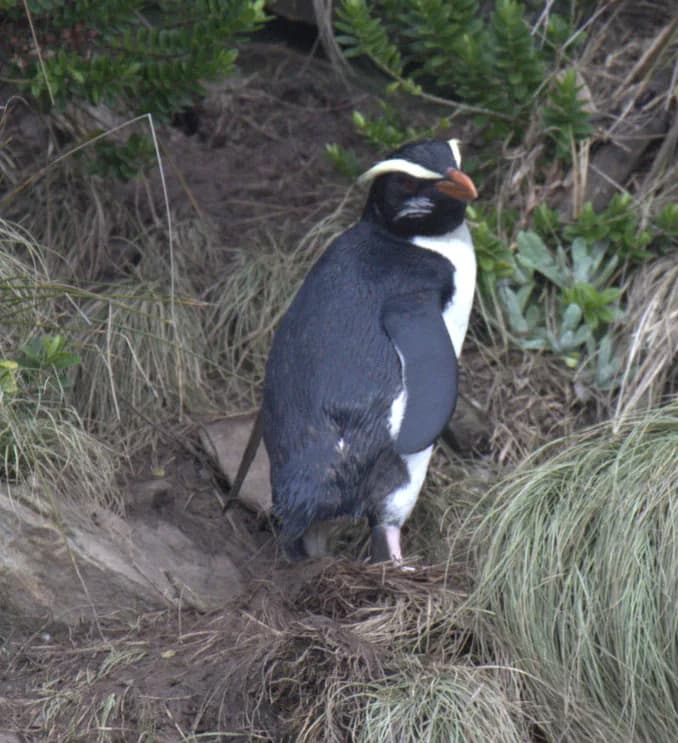
Fiordland Penguin
Eudyptes pachyrhynchus