
Adelie Penguin
Pygoscelis adeliae
Small, highly abundant Antarctic penguins recognized by their distinctive white eye rings. Adélies are one of only two penguin species on the Antarctic mainland and serve as key indicator species for ecosystem health.
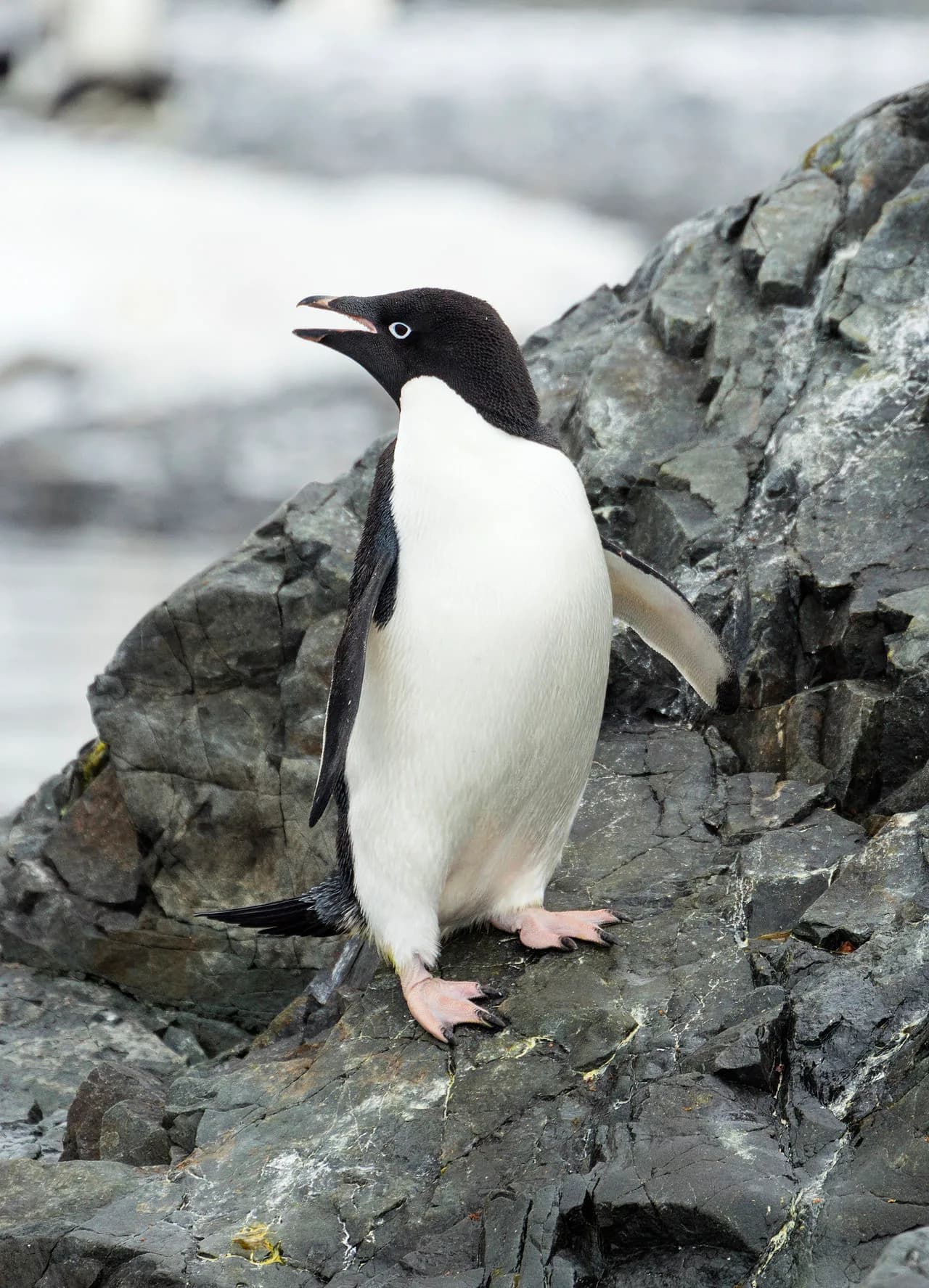
Adelie penguin on rocky Antarctic shore
IUCN Red List status
Classified as Least Concern thanks to their large global population.
Red List history and threatsEstimated population
~7.6 million breeding pairs
Mixed trend
Estimate assessed 2020.
Adélies are small, highly abundant Antarctic penguins — in the Ross Sea alone there are about 3 million individuals, and Cape Royds hosts the southernmost penguin colony in the world. Named after the wife of French explorer Jules Dumont d'Urville, they are easily recognized by their distinctive white eye rings and classic black-and-white plumage.
In the Ross Sea region their numbers have been growing roughly 6 percent per year since 2001 after declines in the 1980s–90s, and scientists use them as indicator species to track ecosystem changes driven by krill availability and sea-ice dynamics. Because they breed on land in predictable summer colonies and return to the same sites, they are relatively easy to census compared with mammals like seals or whales, making them a key monitoring tool for climate and fishery impacts.
If You Only Learn One Thing About This Penguin
Adelies look like the default penguin in a field guide, but they are really a climate instrument with feathers. They show you when sea ice and krill stop lining up.
The Survival Problem
Adelies have to time breeding around snow melt, open water access, and krill-rich feeding conditions. Miss the window and chicks pay for it immediately.
What Makes This Species Weird
They are stone thieves, cliff-launchers, and one of the few penguins that can look cartoon-simple while living in a brutally narrow seasonal window.
Myth vs Reality
Myth
Common Antarctic penguins must be doing fine.
Reality
Adelies are abundant in some places and struggling in others, which is exactly why scientists watch them so closely.
Behavior & Traits
- Build nests out of stones and frequently steal prized pebbles from neighboring nests
- Return to the same breeding sites each summer, making them easy to census and monitor over time
- Can launch themselves up to 3 meters out of the water onto ice shelves
- Serve as key indicator species for tracking climate and fishery impacts on Antarctic ecosystems
Habitat & Range
Diet
Conservation
Classified as Least Concern thanks to their large global population. Ross Sea populations have been growing roughly 6% per year since 2001 after declines in the 1980s–90s. Scientists use Adélies as indicator species to track ecosystem changes driven by krill availability and sea-ice dynamics, making their population trends an important barometer for Southern Ocean health.
Red List history
The Adelie Penguin is currently listed as Least Concern on the IUCN Red List, with an estimated population of ~7.6 million breeding pairs and a mixed trend. We have not recorded a category change for this species.
Check the current Red List assessmentMain threats
- Regional sea-ice change
- Krill availability shifts
- Localized fishery pressure
Common predators
Breeding & Movement
Breeding
- Builds pebble nests on exposed rocky ground.
- Returns to reliable summer colonies that can be monitored year after year.
Movement
- Adelie Penguins spend much of the year foraging at sea and return to established breeding colonies on land or ice.
Fun Facts
Adélie penguins build nests out of stones and will often steal stones from neighboring nests
They are one of the fastest swimming penguins, reaching speeds up to 45 km/h
Cape Royds in the Ross Sea hosts the southernmost penguin colony in the world
They can launch themselves up to 3 meters out of the water onto ice shelves
In the Ross Sea alone there are about 3 million Adélie individuals
Scientists use them as indicator species to track ecosystem changes driven by krill availability and sea-ice dynamics
Their population in the Ross Sea has been growing roughly 6% per year since 2001
Research Gap
The unresolved question is why some Adelie populations grow under changing sea-ice conditions while others in similar latitudes do not.
Frequently Asked Questions
How tall is an Adelie Penguin?
Adelie Penguins stand 46–71 cm tall and typically weigh 3.6–6 kg.
What do Adelie Penguins eat?
Adelie Penguins primarily eat krill, fish, and squid. Prey choice tracks ocean conditions and breeding season energy needs as much as preference.
Where do Adelie Penguins live?
Adelie Penguins are found in Antarctica, South Shetland Islands, and South Orkney Islands. Habitats include Antarctic coastline and Rocky shores.
What is the main survival problem for Adelie Penguins?
Adelies have to time breeding around snow melt, open water access, and krill-rich feeding conditions. Miss the window and chicks pay for it immediately.
Are Adelie Penguins endangered?
The Adelie Penguin is classified as Least Concern on the IUCN Red List. Estimated population: ~7.6 million breeding pairs. Population trend: mixed. Classified as Least Concern thanks to their large global population. Ross Sea populations have been growing roughly 6% per year since 2001 after declines in the 1980s–90s. Scientists use Adélies as indicator species to track ecosystem changes driven by krill availability and sea-ice dynamics, making their population trends an important barometer for Southern Ocean health.
How long do Adelie Penguins live?
Adelie Penguins typically live 10–20 years in the wild, though food access, predation, and breeding success can cut that short.
What is a common myth about Adelie Penguins?
Myth: Common Antarctic penguins must be doing fine. Reality: Adelies are abundant in some places and struggling in others, which is exactly why scientists watch them so closely.
What threatens Adelie Penguins?
The main pressures include regional sea-ice change, krill availability shifts, and localized fishery pressure. Natural predators include Leopard seals, Skuas, and Giant petrels.
What is one surprising fact about Adelie Penguins?
Adélie penguins build nests out of stones and will often steal stones from neighboring nests
Written for the Survival Lab series on Penguin Place
Penguin Place is written like a natural-history notebook, not a content mill. The job is to explain what each penguin is up against, what makes it strange, and where the evidence still runs thin.
Quick Facts
- Scientific Name
- Pygoscelis adeliae
- Height
- 46–71 cm
- Weight
- 3.6–6 kg
- Lifespan
- 10–20 years
- Status
- Least Concern
- Population
- ~7.6 million breeding pairs
- Genus
- Pygoscelis
Explore by Topic
Status
Genus
Compare
Start with the closest side-by-side matches by lineage, habitat, and size.
How we source claims
We start with conservation assessments, research institutions, and field guides that have to survive real scrutiny. Then we write only what still sounds true after the comparison.
- Use IUCN, BirdLife, museums, aquariums, conservation groups, and research institutions before broad explainers.
- Lead with a survival problem, not a keyword bucket.
- Say when the science is uncertain instead of sanding every gap into fake certainty.
Further reading
This profile was reviewed on January 27, 2026 using the sources listed below.
- IUCN Red List - Global conservation assessments and extinction-risk categories.
- BirdLife Data Zone - Species accounts, distribution, and population summaries.
- Australian Antarctic Division - Antarctic species profiles, breeding, and environmental context.
- British Antarctic Survey - Antarctic penguin ecology, diving, and sea-ice context.
Continue the trail
Broader Survival Lab reading on Penguin Place connected to Adelie Penguin — survival, habitat, food, and conservation pressure.
Related to Adelie Penguin
Nearby species by lineage, range, size, and conservation pressure — better next reads than a random list.
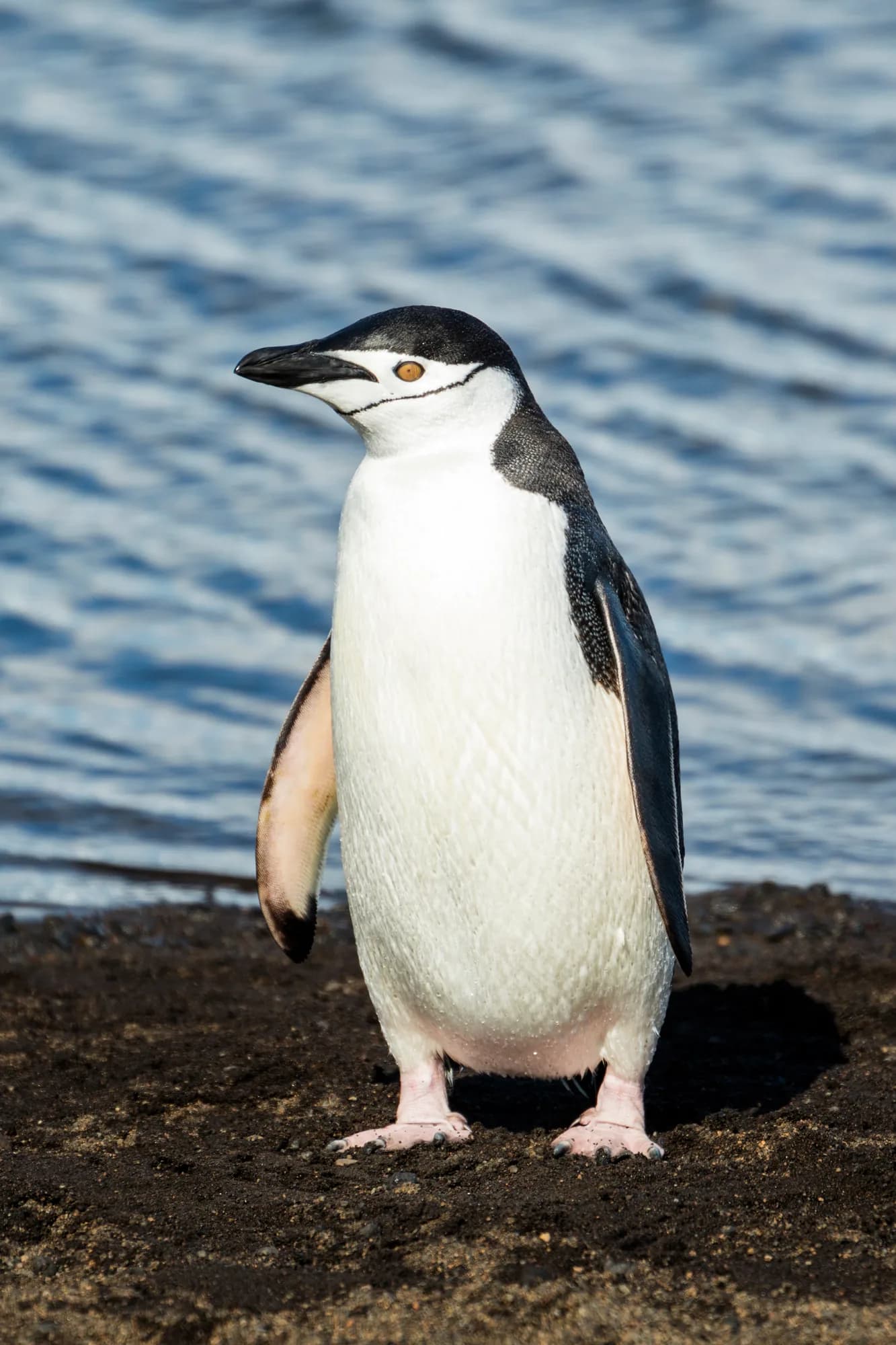
Chinstrap Penguin
Pygoscelis antarcticus
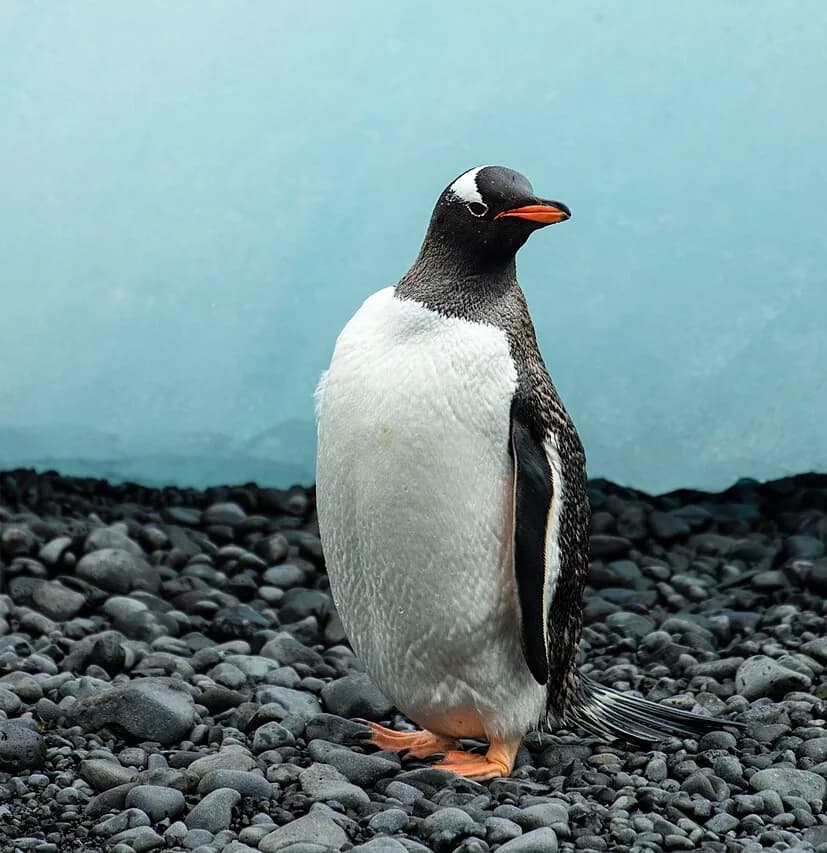
Gentoo Penguin
Pygoscelis papua
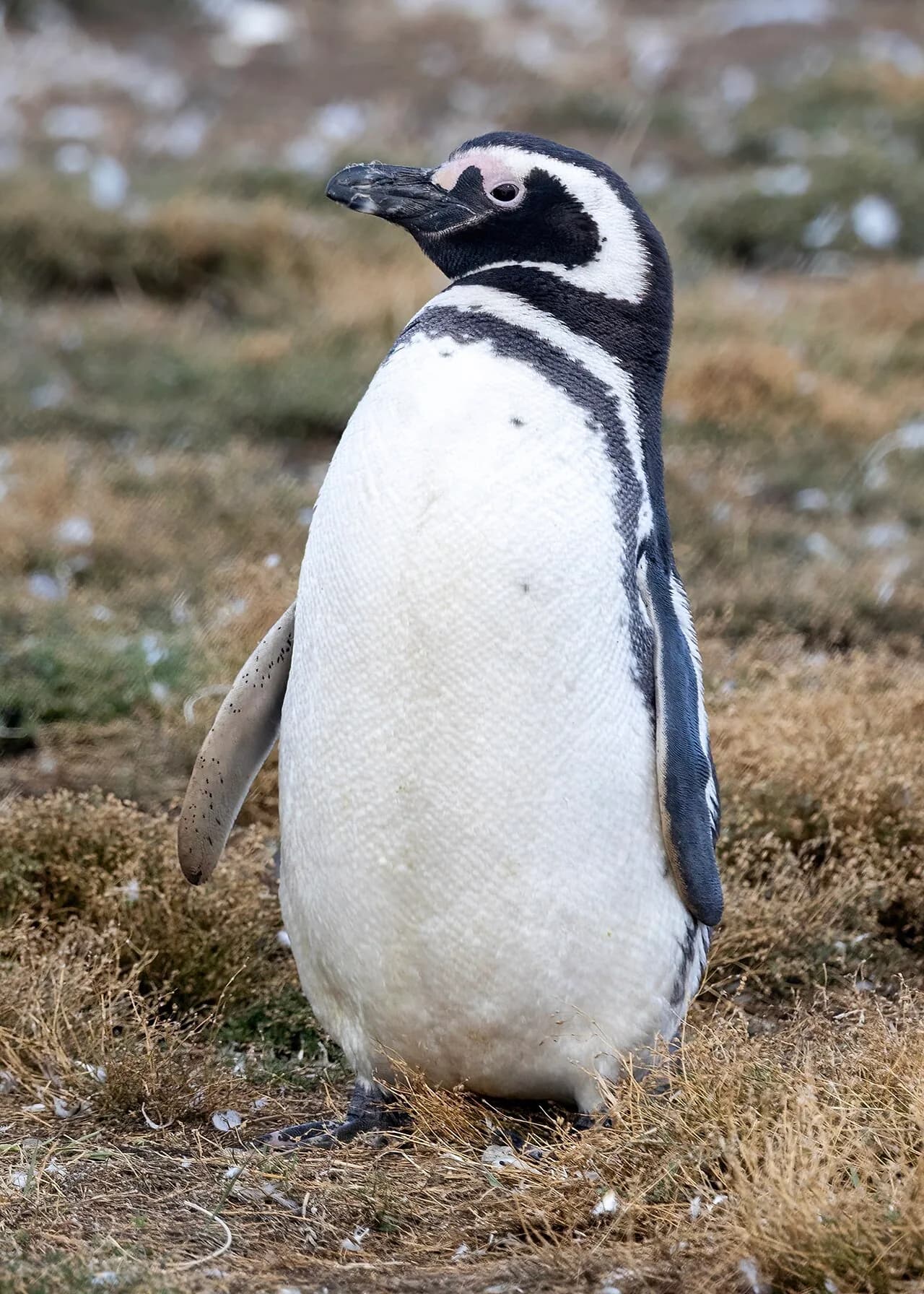
Magellanic Penguin
Spheniscus magellanicus
Emperor Penguin
Aptenodytes forsteri