
Yellow-eyed Penguin
Megadyptes antipodes
Known as Hoiho ('noise shouter') in Māori, this large, pale-faced penguin endemic to New Zealand is one of the world's rarest, unique among penguins for being largely solitary and nesting out of sight of others.
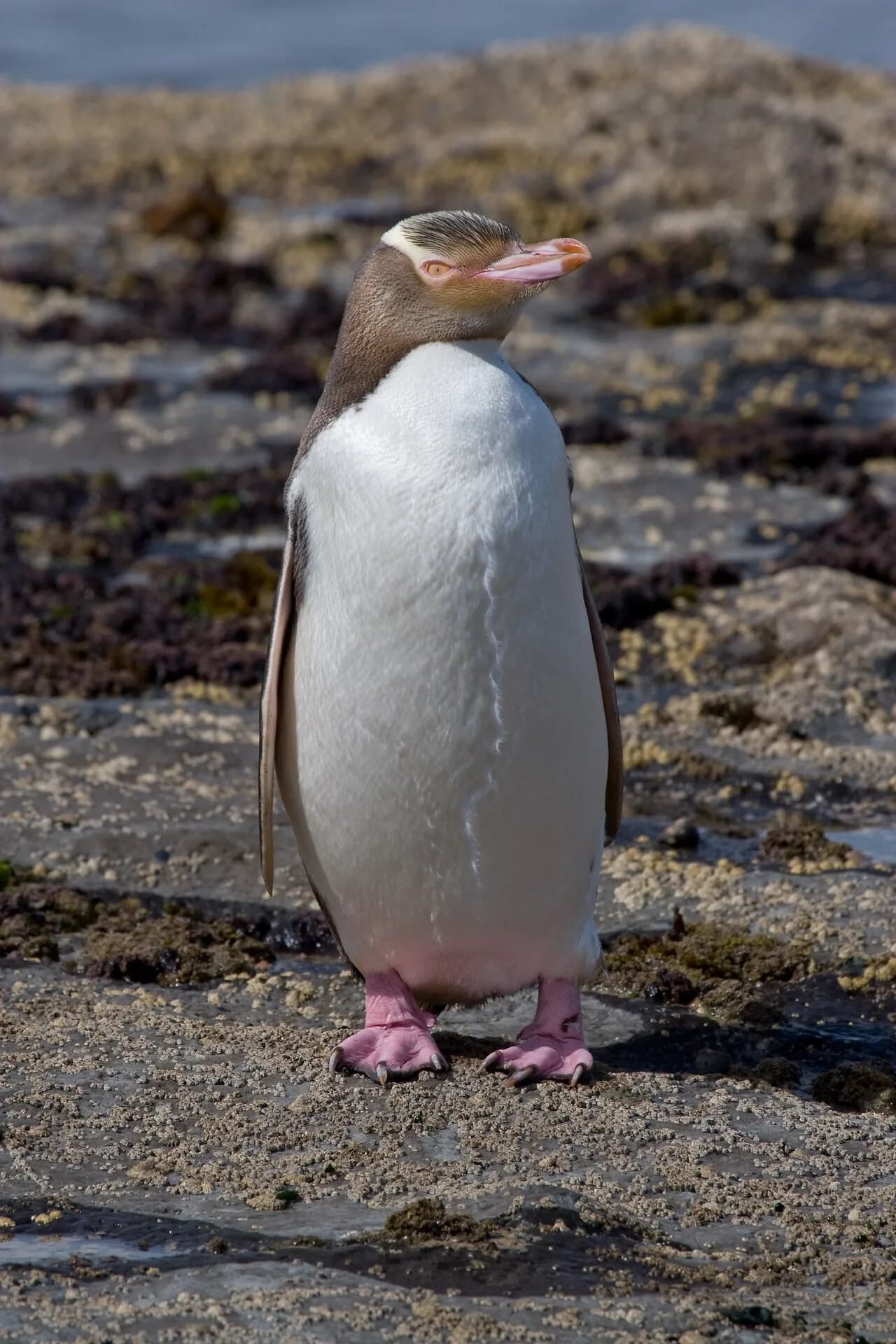
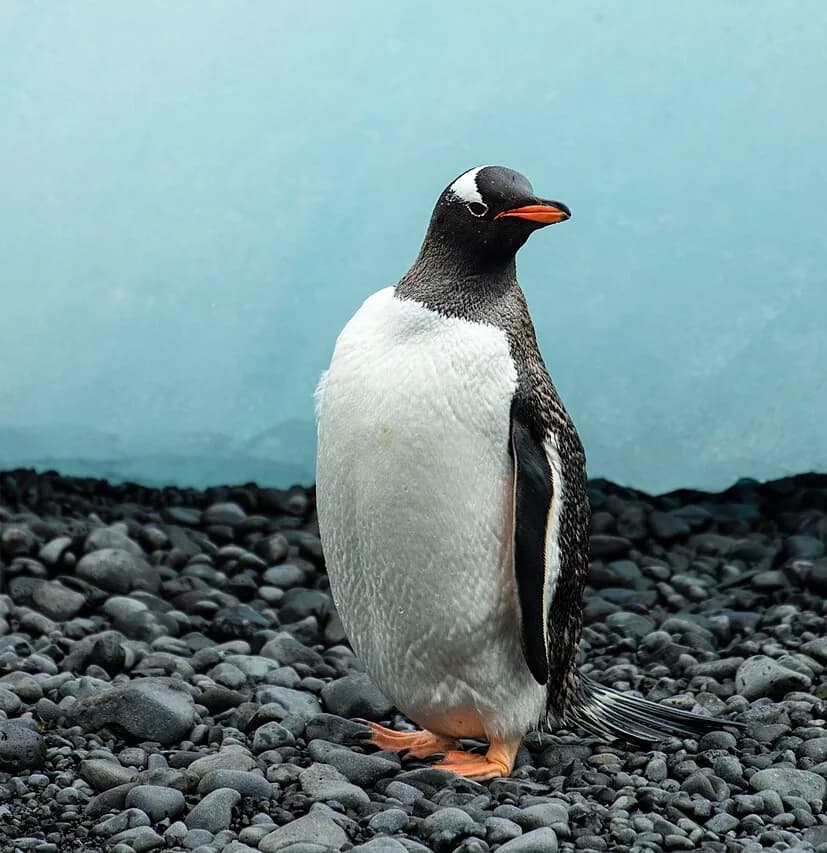
Yellow-eyed penguin on New Zealand coast
IUCN Red List status
Classified as Endangered by the IUCN and listed as threatened under U.S.
Red List history and threatsEstimated population
~3,400 individuals
Decreasing trend
Estimate assessed 2022.
Yellow-eyed penguins are large, pale-faced penguins endemic to New Zealand, named for their distinctive yellow eyes and pale yellow head band that make them unmistakable. Known as Hoiho in Māori (meaning "noise shouter"), they are considered one of the rarest penguin types in the world with only about 3,400 individuals.
They are unique among penguins for being largely solitary — they prefer to nest out of sight of other penguins, in coastal forests and scrubland rather than open beaches. Coastal deforestation of breeding habitat has been identified as a major driver of their decline. Conservation responses include the creation of specialized penguin reserves such as Penguin Place near Dunedin, where controlled tourism helps fund habitat restoration, predator control and intensive management of small, fragile breeding populations.
If You Only Learn One Thing About This Penguin
Yellow-eyed Penguins do not behave like tidy colony birds. They breed like private recluses, which makes every breeding pair feel expensive.
The Survival Problem
Hoiho need quiet nest cover, dependable benthic foraging grounds, and enough adult survival in a very small population already under pressure from disease, predators, and disturbance.
What Makes This Species Weird
Instead of packing into giant colonies, they spread out through coastal vegetation and forest edges, making them feel more like secretive land birds that happen to be elite divers.
Myth vs Reality
Myth
Rarity makes Yellow-eyed Penguins delicate versions of ordinary penguins.
Reality
Their vulnerability comes from a brutal stack of pressures, not from any lack of toughness. They are strong birds surviving in a very bad equation.
Behavior & Traits
- Prefer to nest alone and out of sight of other penguins — unique among penguin species
- Nest in coastal forests and scrubland rather than on open beaches
- Featured on the New Zealand five-dollar note as a national icon
- Conservation reserves use controlled tourism to fund habitat restoration and predator control
Habitat & Range
Diet
Conservation
Classified as Endangered by the IUCN and listed as threatened under U.S. law, with only about 3,400 individuals remaining. Coastal deforestation of breeding habitat is a major driver of decline, along with introduced predators and disease. Conservation reserves like Penguin Place near Dunedin use controlled tourism to fund habitat restoration, predator control, and intensive management of fragile breeding populations.
Red List history
What is driving it: Introduced predators on the mainland, plus disease and fisheries bycatch across the sub-Antarctic range.
- 2000EndangeredCurrent
Listed as the mainland New Zealand population contracted toward local extinction.
Main threats
- Introduced predators
- Bycatch and fisheries interactions
- Disease and habitat loss
Common predators
Breeding & Movement
Breeding
- Nests in well-spaced, hidden sites rather than dense colonies.
- Pairs are sensitive to disturbance during incubation and chick rearing.
Movement
- Yellow-eyed Penguins spend much of the year foraging at sea and return to established breeding colonies on land or ice.
Fun Facts
One of the rarest penguins in the world with only about 3,400 individuals
Known as 'Hoiho' in Māori, meaning 'noise shouter'
They are one of the few penguin species that prefer to nest alone rather than in colonies
Featured on the New Zealand five-dollar note
Coastal deforestation of breeding habitat has been a major driver of their decline
Penguin Place near Dunedin uses controlled tourism to fund habitat restoration and predator control
They are also listed as threatened under U.S. law, in addition to their IUCN Endangered status
Research Gap
A major gap is understanding how disease, diet shifts, and marine heat effects interact across mainland versus subantarctic populations.
Frequently Asked Questions
How tall is a Yellow-eyed Penguin?
Yellow-eyed Penguins stand 62–79 cm tall and typically weigh 4.5–8.5 kg.
What do Yellow-eyed Penguins eat?
Yellow-eyed Penguins primarily eat fish, squid, and crustaceans. Prey choice tracks ocean conditions and breeding season energy needs as much as preference.
Where do Yellow-eyed Penguins live?
Yellow-eyed Penguins are found in New Zealand, Auckland Islands, and Campbell Islands. Habitats include Coastal forests, Scrubland, and Sandy beaches.
What is the main survival problem for Yellow-eyed Penguins?
Hoiho need quiet nest cover, dependable benthic foraging grounds, and enough adult survival in a very small population already under pressure from disease, predators, and disturbance.
Are Yellow-eyed Penguins endangered?
The Yellow-eyed Penguin is classified as Endangered on the IUCN Red List. Estimated population: ~3,400 individuals. Population trend: decreasing. Classified as Endangered by the IUCN and listed as threatened under U.S. law, with only about 3,400 individuals remaining. Coastal deforestation of breeding habitat is a major driver of decline, along with introduced predators and disease. Conservation reserves like Penguin Place near Dunedin use controlled tourism to fund habitat restoration, predator control, and intensive management of fragile breeding populations.
How long do Yellow-eyed Penguins live?
Yellow-eyed Penguins typically live 8–25 years in the wild, though food access, predation, and breeding success can cut that short.
What is a common myth about Yellow-eyed Penguins?
Myth: Rarity makes Yellow-eyed Penguins delicate versions of ordinary penguins. Reality: Their vulnerability comes from a brutal stack of pressures, not from any lack of toughness. They are strong birds surviving in a very bad equation.
What threatens Yellow-eyed Penguins?
The main pressures include introduced predators, bycatch and fisheries interactions, and disease and habitat loss. Natural predators include Dogs, Cats, Sea lions, and Sharks.
What is one surprising fact about Yellow-eyed Penguins?
One of the rarest penguins in the world with only about 3,400 individuals
Written for the Survival Lab series on Penguin Place
Penguin Place is written like a natural-history notebook, not a content mill. The job is to explain what each penguin is up against, what makes it strange, and where the evidence still runs thin.
Quick Facts
- Scientific Name
- Megadyptes antipodes
- Height
- 62–79 cm
- Weight
- 4.5–8.5 kg
- Lifespan
- 8–25 years
- Status
- Endangered
- Population
- ~3,400 individuals
- Genus
- Megadyptes
Explore by Topic
Status
Genus
Regions
Habitats
Compare
Start with the closest side-by-side matches by lineage, habitat, and size.
How we source claims
We start with conservation assessments, research institutions, and field guides that have to survive real scrutiny. Then we write only what still sounds true after the comparison.
- Use IUCN, BirdLife, museums, aquariums, conservation groups, and research institutions before broad explainers.
- Lead with a survival problem, not a keyword bucket.
- Say when the science is uncertain instead of sanding every gap into fake certainty.
Further reading
This profile was reviewed on January 22, 2026 using the sources listed below.
- IUCN Red List - Global conservation assessments and extinction-risk categories.
- BirdLife Data Zone - Species accounts, distribution, and population summaries.
- New Zealand Department of Conservation: Yellow-eyed Penguin/Hoiho - Detailed threat and recovery context for hoiho.
- Yellow-eyed Penguin Trust - Field-based recovery work and threats affecting hoiho.
Continue the trail
Broader Survival Lab reading on Penguin Place connected to Yellow-eyed Penguin — survival, habitat, food, and conservation pressure.
Where Penguins Live
A Survival Lab series map of the penguin world, from Antarctic fast ice to New Zealand forest edges and the equatorial Galapagos.
Penguin Predators and Threats
The difference between the things that naturally eat penguins and the human pressures that now make many colonies fail.
Related to Yellow-eyed Penguin
Nearby species by lineage, range, size, and conservation pressure — better next reads than a random list.
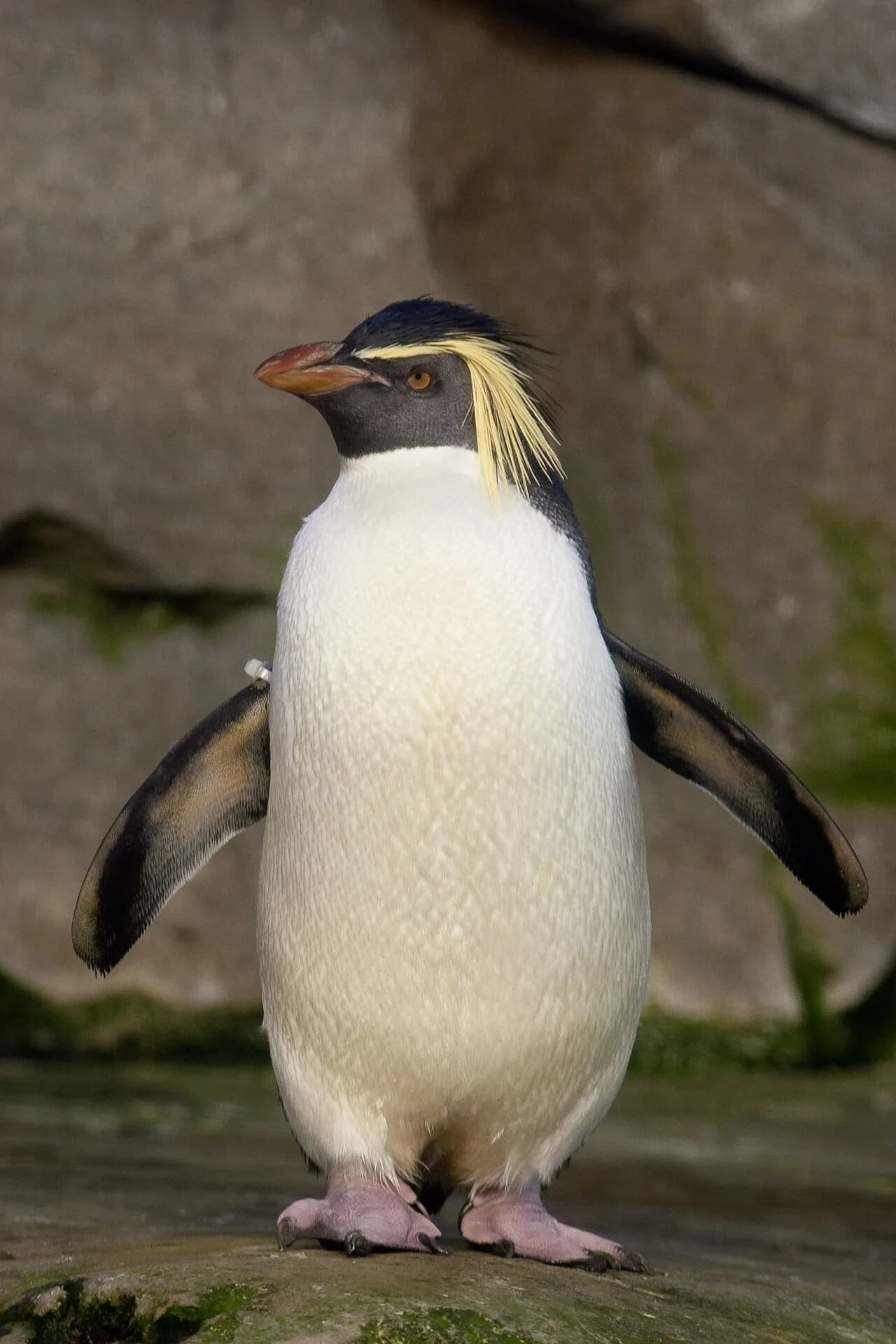
Northern Rockhopper Penguin
Eudyptes moseleyi
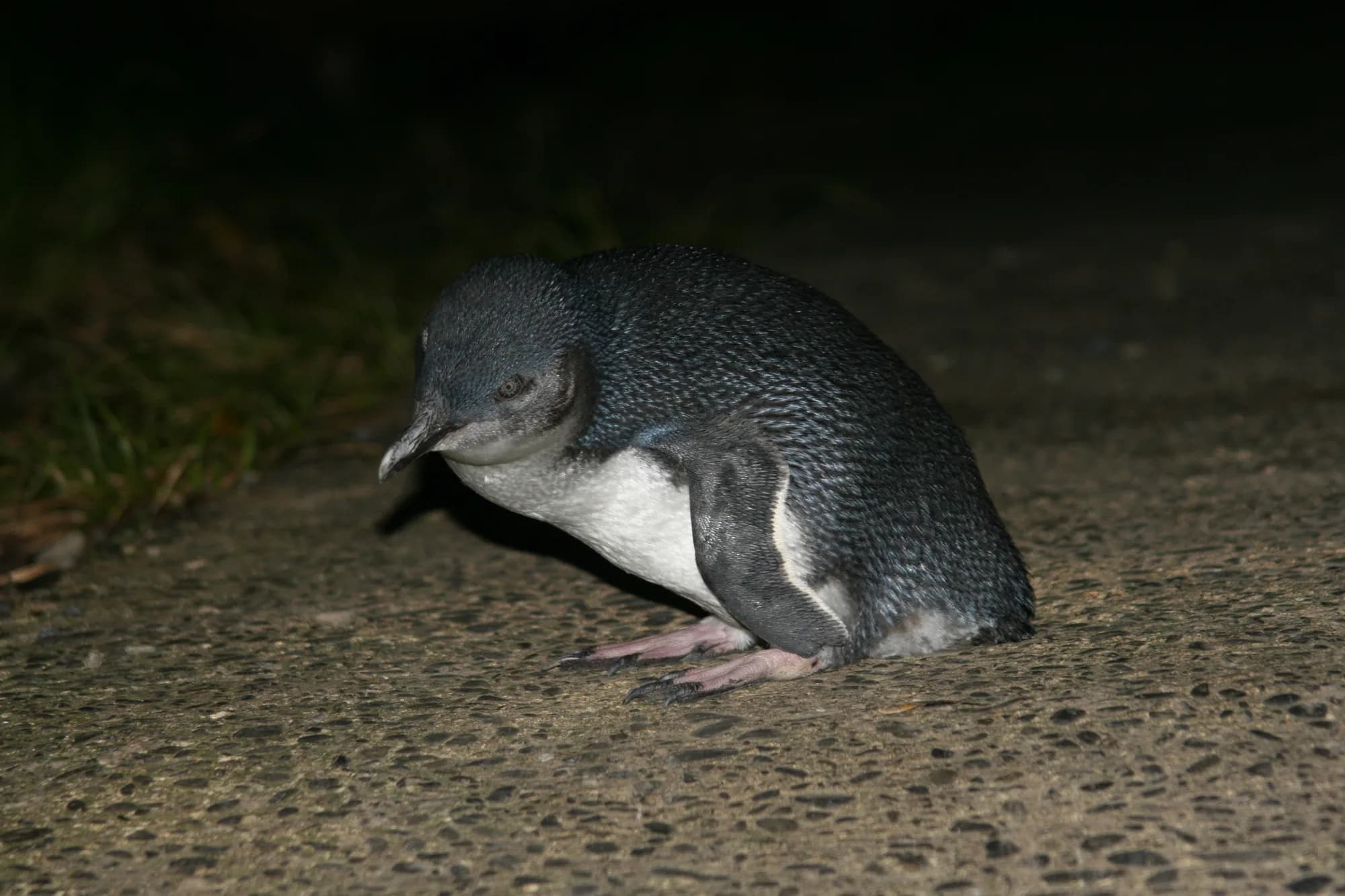
Little Blue Penguin
Eudyptula minor
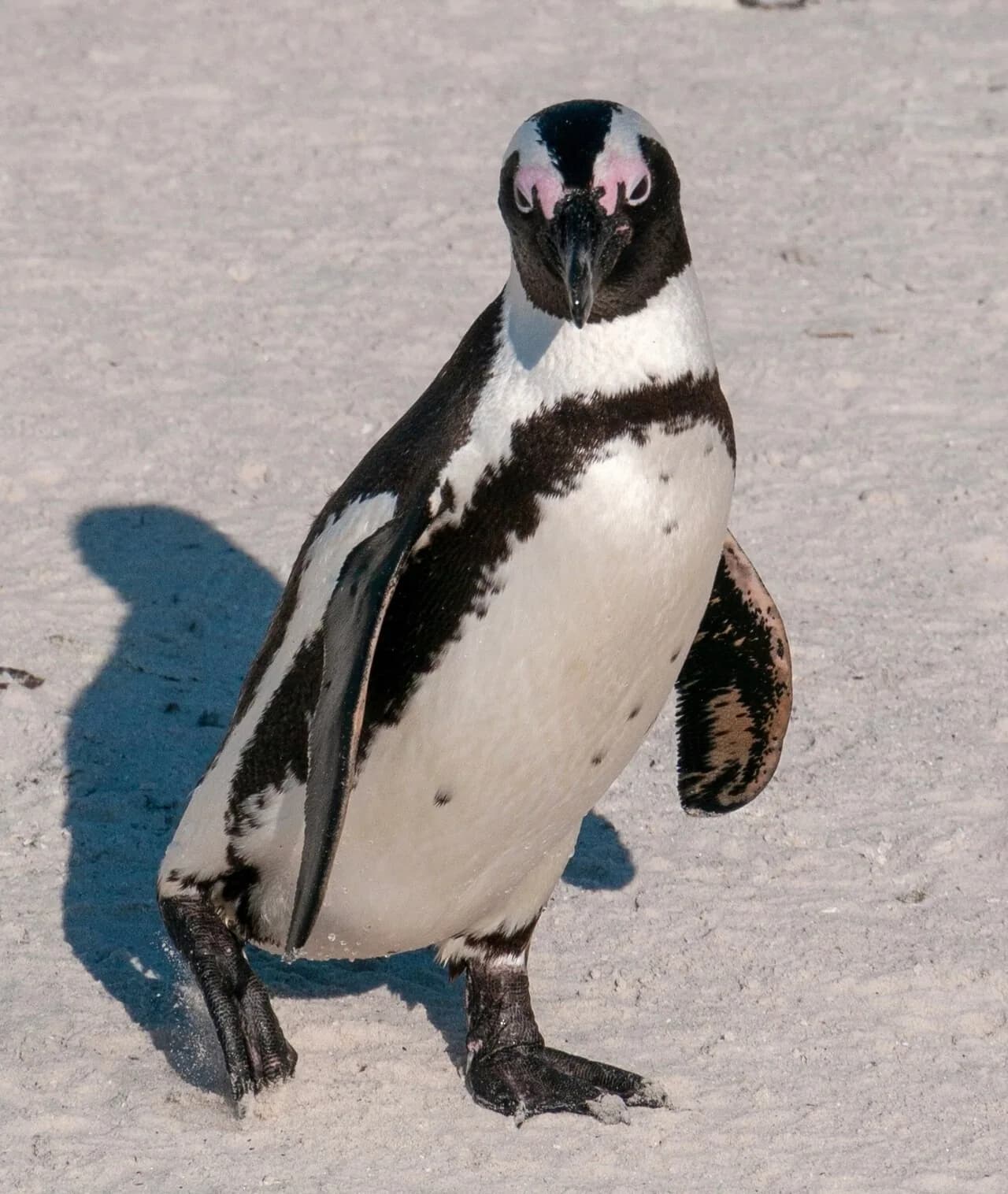
African Penguin
Spheniscus demersus
Gentoo Penguin
Pygoscelis papua