
Desert coasts Habitat
Humboldt Penguin is the standout user of desert coasts in this catalogue. Habitat pages with one species show architecture, not a crowd.
Penguins linked with desert coasts use that setting because it solves a real problem: shelter, breeding, shade, access to prey, or all four at once. On this page that means one bird first: Humboldt Penguin. Their whole breeding system depends on the Humboldt Current staying productive enough to deliver anchovies and sardines to colonies on otherwise harsh, dry coasts.
Species in lens
1
Singleton hub — depth over breadth
Profile focus
Humboldt Penguin
Up to 70 cm
Highest risk in view
Humboldt Penguin
Vulnerable
Species profile entry
Penguins linked with desert coasts use that setting because it solves a real problem: shelter, breeding, shade, access to prey, or all four at once.
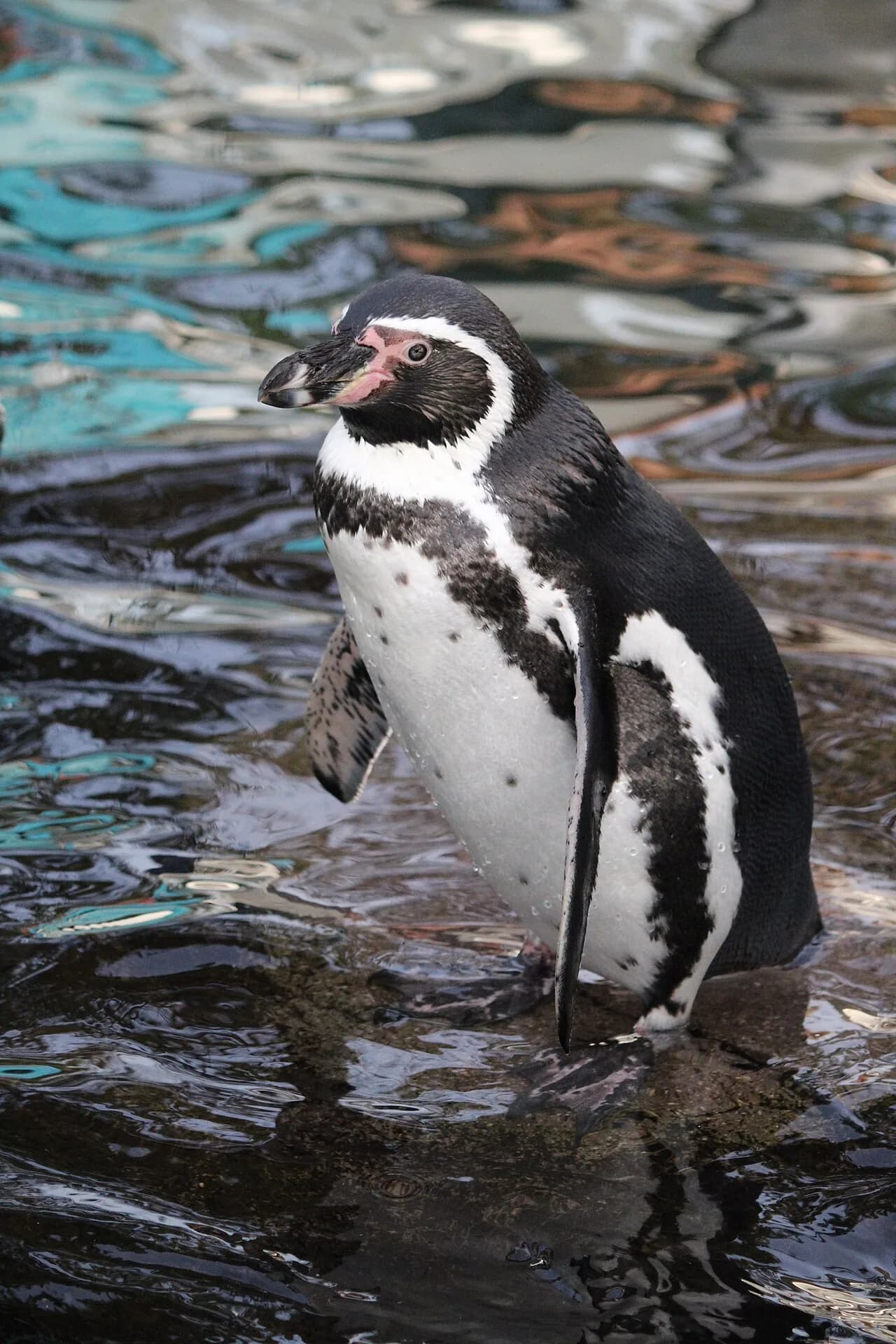
Signature insight
Humboldt Penguins are cold-current birds wearing a desert costume. They look like warm-climate penguins only if you ignore the ocean that actually feeds them.
Open full Humboldt Penguin profileWhat this view reveals
- Humboldt Penguin is the only species in this habitat view right now.
- Their whole breeding system depends on the Humboldt Current staying productive enough to deliver anchovies and sardines to colonies on otherwise harsh, dry coasts.
- Conservation: Vulnerable · ~23,800 individuals.
Understanding Desert coasts Habitat
Desert coasts habitat currently highlights one species in this catalogue: Humboldt Penguin (Spheniscus humboldti). Humboldt Penguins are cold-current birds wearing a desert costume.
Survival brief: Their whole breeding system depends on the Humboldt Current staying productive enough to deliver anchovies and sardines to colonies on otherwise harsh, dry coasts. Myth people still carry: A penguin living in Peru or Chile must be adapted to warm seas. What the evidence supports instead: Humboldts live beside deserts, but they still depend on cold, nutrient-rich upwelling waters and can crash when those systems fail.
Field numbers: 56–70 cm, 3.6–5.9 kg, lifespan about 15–20 years. Status Vulnerable; population ~23,800 individuals; trend decreasing.
Where and what: ranges include Peru and Chile; habitats Rocky coastlines, Desert coasts, and Islands; diet anchovies, sardines, herring, and squid. Listed as Vulnerable with an estimated 23,800 mature individuals and a declining trend. Open the full profile for sources, research gaps, and related species.
Frequently asked questions
Which penguins use desert coasts?
In this catalogue, Humboldt Penguin is the species tied to this habitat page. Named after the cold Humboldt Current, these penguins live along the coasts of Peru and Chile in one of the most arid environments inhabited by any penguin, nesting in burrows dug into guano deposits.
What is the main survival problem for Humboldt Penguin?
Their whole breeding system depends on the Humboldt Current staying productive enough to deliver anchovies and sardines to colonies on otherwise harsh, dry coasts.
What is the conservation status of Humboldt Penguin?
Humboldt Penguin is listed as Vulnerable, with an estimated population of ~23,800 individuals. Trend: decreasing. Listed as Vulnerable with an estimated 23,800 mature individuals and a declining trend.