
Sandy beaches Habitat
2 penguin species use sandy beaches, including African Penguin and Yellow-eyed Penguin. Habitat is architecture: shelter, commute distance, and chick survival, not scenery.
Penguins linked with sandy beaches use that setting because it solves a real problem: shelter, breeding, shade, access to prey, or all four at once. 2 penguin species use this setting here, but they still solve it differently by size, lineage, and food access — African Penguin versus Yellow-eyed Penguin is the size span.
Species in lens
2
By habitat
Size span
70–79 cm
African Penguin → Yellow-eyed Penguin
Highest risk in view
African Penguin
Critically Endangered
Species in this lens
Penguins linked with sandy beaches use that setting because it solves a real problem: shelter, breeding, shade, access to prey, or all four at once.
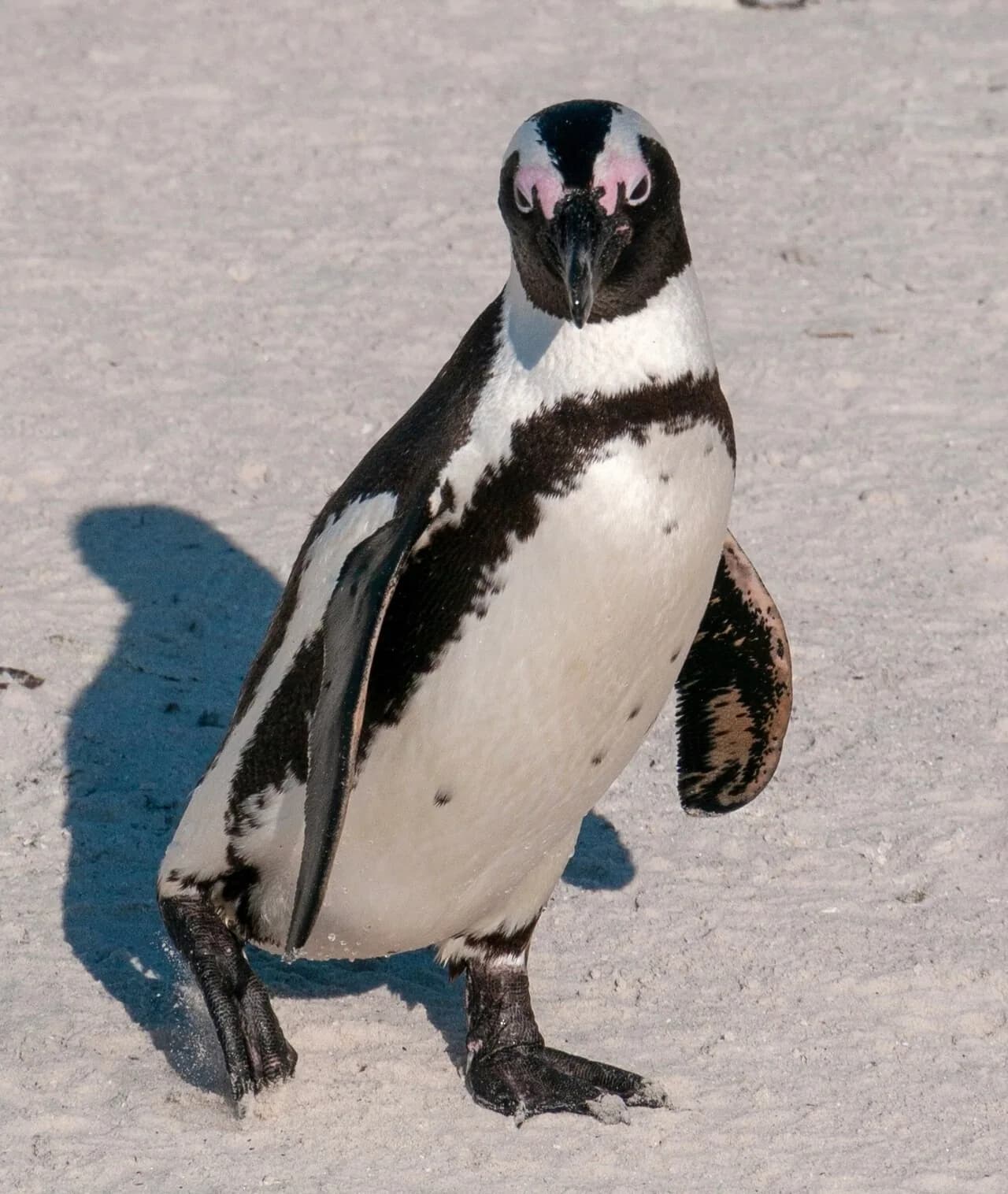
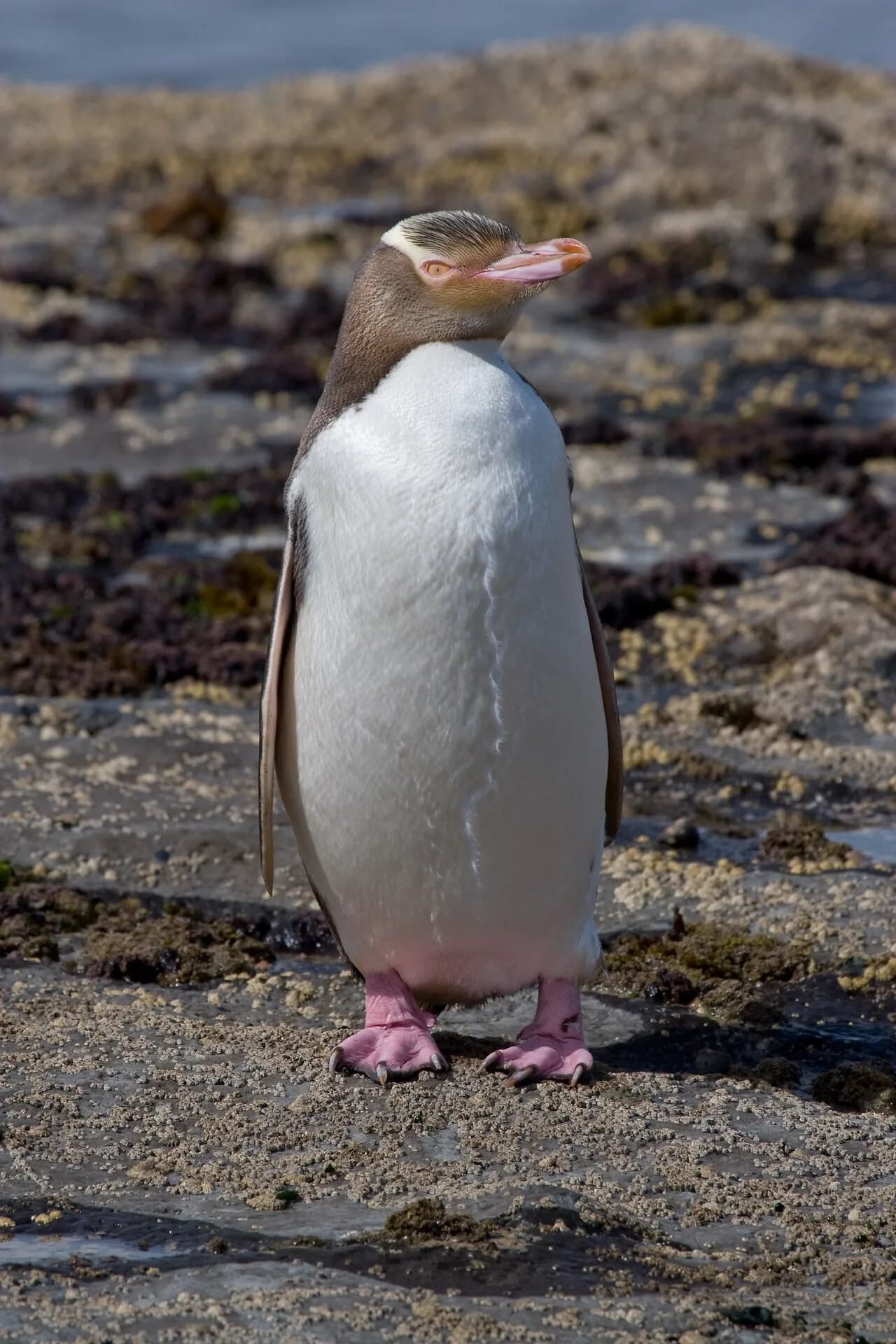
What this view reveals
- 2 penguin species are grouped by this habitat view.
- Yellow-eyed Penguin is the largest here (to 79 cm).
- African Penguin carries the highest listed risk (Critically Endangered).
- Sandy beaches is infrastructure, not backdrop.
Compare inside this lens
Understanding Sandy beaches Habitat
2 penguin species are associated with sandy beaches: African Penguin and Yellow-eyed Penguin. Habitat is infrastructure — nest microclimate, cover from predators, and commute cost to productive water.
Sandy beaches forces a particular bargain: enough shelter to incubate and moult, close enough to food that adults are not gone too long. Change the physical structure (vegetation, ice, burrows, cliffs) and the bargain collapses even if the bird still looks healthy at sea.
Size span: African Penguin to Yellow-eyed Penguin. Regions represented: South Africa, Namibia, New Zealand, Auckland Islands, and Campbell Islands. Shared habitat does not imply shared genus — convergent use of sandy beaches can cut across lineages.
African Penguin (Critically Endangered) is the most conservation-sensitive species in this habitat set. Signature pressure points: Yellow-eyed Penguin — “Yellow-eyed Penguins do not behave like tidy colony birds. They breed like private recluses, which makes every breeding pair feel expensive.” African Penguin — “African Penguins are not running out of charm. They are running out of fish in the wrong places at the wrong times.”
Frequently asked questions
Which penguins use sandy beaches?
African Penguin and Yellow-eyed Penguin all use sandy beaches as part of breeding or day-to-day survival.
Are all sandy beaches penguins closely related?
Not necessarily. Habitat hubs cut across genera, so they are better for comparing convergent solutions than for reading family trees.
Which sandy beaches penguin is most threatened?
African Penguin has the highest conservation status in this habitat hub: Critically Endangered.