
Penguins in Scrubland
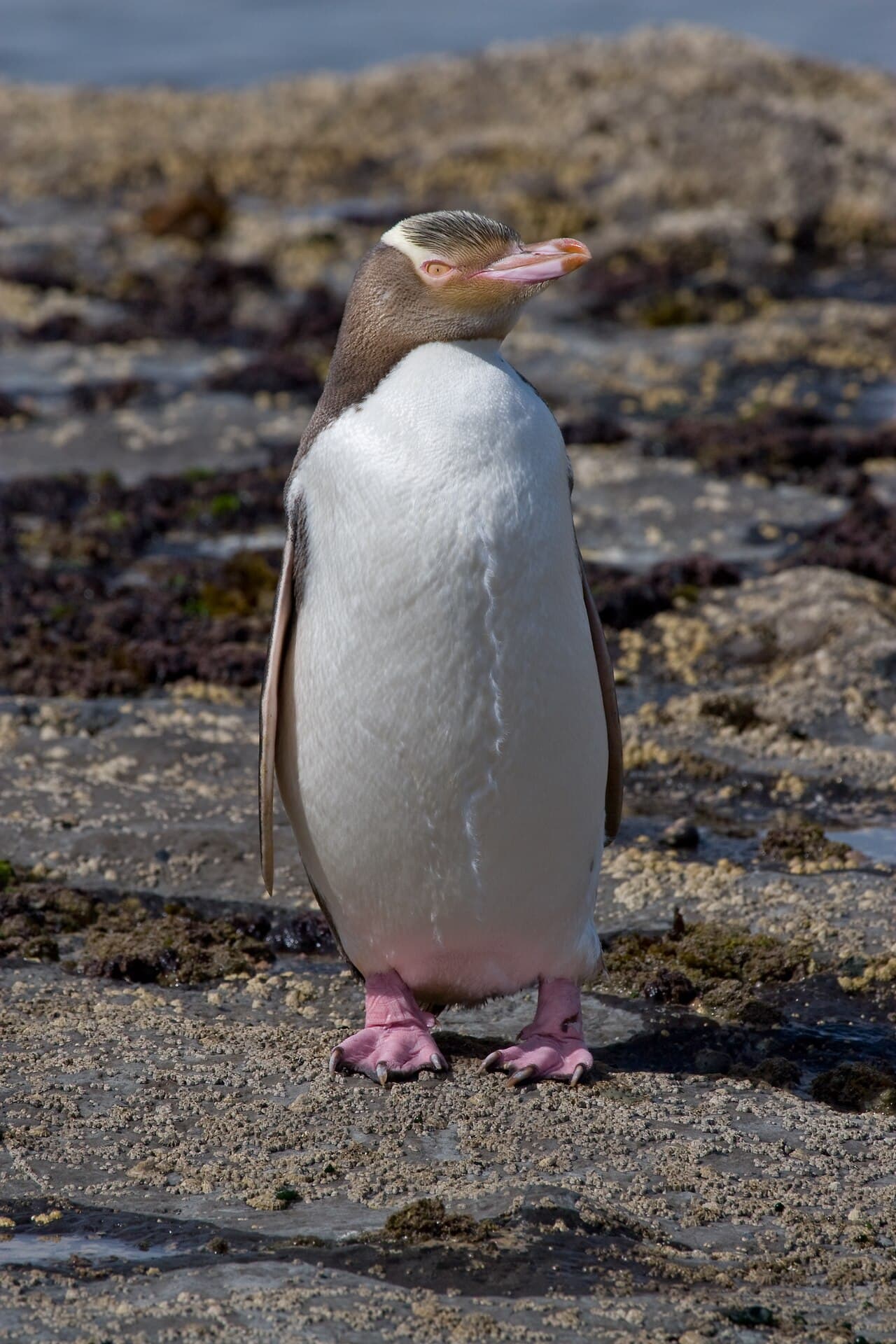
1 penguin species use scrubland, including Yellow-eyed Penguin. Habitat is not scenery here; it is the architecture of survival.
Penguins linked with scrubland use that setting because it solves a real problem: shelter, breeding, shade, access to prey, or all four at once. The shared habitat matters, but the species still solve it in different ways depending on size, lineage, and food access.
Species covered
1
Largest species here
Yellow-eyed Penguin
Up to 79 cm
Highest risk in view
Yellow-eyed Penguin
Endangered
Species in this lens
Penguins linked with scrubland use that setting because it solves a real problem: shelter, breeding, shade, access to prey, or all four at once.
What this view reveals
- Penguins linked with scrubland use that setting because it solves a real problem: shelter, breeding, shade, access to prey, or all four at once. The shared habitat matters, but the species still solve it in different ways depending on size, lineage, and food access.
- Yellow-eyed Penguin is the largest species in this view at up to 79 cm.
- Yellow-eyed Penguin carries the highest conservation pressure in this group.
Understanding Penguins in Scrubland
1 penguin species are associated with scrubland: Yellow-eyed Penguin. Habitat is not background scenery for penguins — it is the physical infrastructure of survival. Where a penguin nests, moults, and shelters its chick determines whether breeding succeeds or fails, and different habitat types impose fundamentally different constraints.
Scrubland habitat demands specific adaptations. Penguins using this environment must balance access to productive foraging waters with protection from weather, predators, and disturbance during the breeding season. The physical structure of the habitat — whether it provides burrows, rock crevices, vegetation cover, or open ice — shapes everything from egg temperature to chick survival rates.
The species here range from Yellow-eyed Penguin (79 cm) to Yellow-eyed Penguin (79 cm), spanning New Zealand, Auckland Islands, Campbell Islands. Despite sharing a habitat type, they are not necessarily close relatives — convergent habitat use across different genera reveals how similar environmental problems produce similar solutions in unrelated lineages.
Habitat loss and degradation remain among the most direct threats to penguin populations. For species dependent on scrubland, changes in vegetation, erosion, human development, or introduced predators can make previously viable nesting sites unusable. Yellow-eyed Penguin (Endangered) is the most conservation-sensitive species in this habitat group.
Frequently asked questions
Which penguins use scrubland?
Yellow-eyed Penguin all use scrubland as part of their breeding or day-to-day survival strategy.
Are all scrubland penguins closely related?
No. Habitat hubs cut across several genera, which makes them useful for comparing convergent survival strategies rather than lineage alone.
Which scrubland penguin is most threatened?
Yellow-eyed Penguin carries the highest conservation status in this hub at Endangered.