
Penguins in Crozet Islands
Crozet Islands support 3 penguin species, including Eastern Rockhopper Penguin, King Penguin, and Macaroni Penguin. Currents, nesting ground, and predator pressure decide whether the place still works.
Crozet Islands are part of the penguin world because the surrounding seas, nesting ground, and climate make life possible there. Crozet Islands currently carries Eastern Rockhopper Penguin, King Penguin, and Macaroni Penguin. Giants and specialists can share a map only while the surrounding water keeps paying the energy bill.
Species in lens
3
By region
Size span
55–95 cm
Eastern Rockhopper Penguin → King Penguin
Highest risk in view
Eastern Rockhopper Penguin
Vulnerable
Species in this lens
Crozet Islands are part of the penguin world because the surrounding seas, nesting ground, and climate make life possible there.
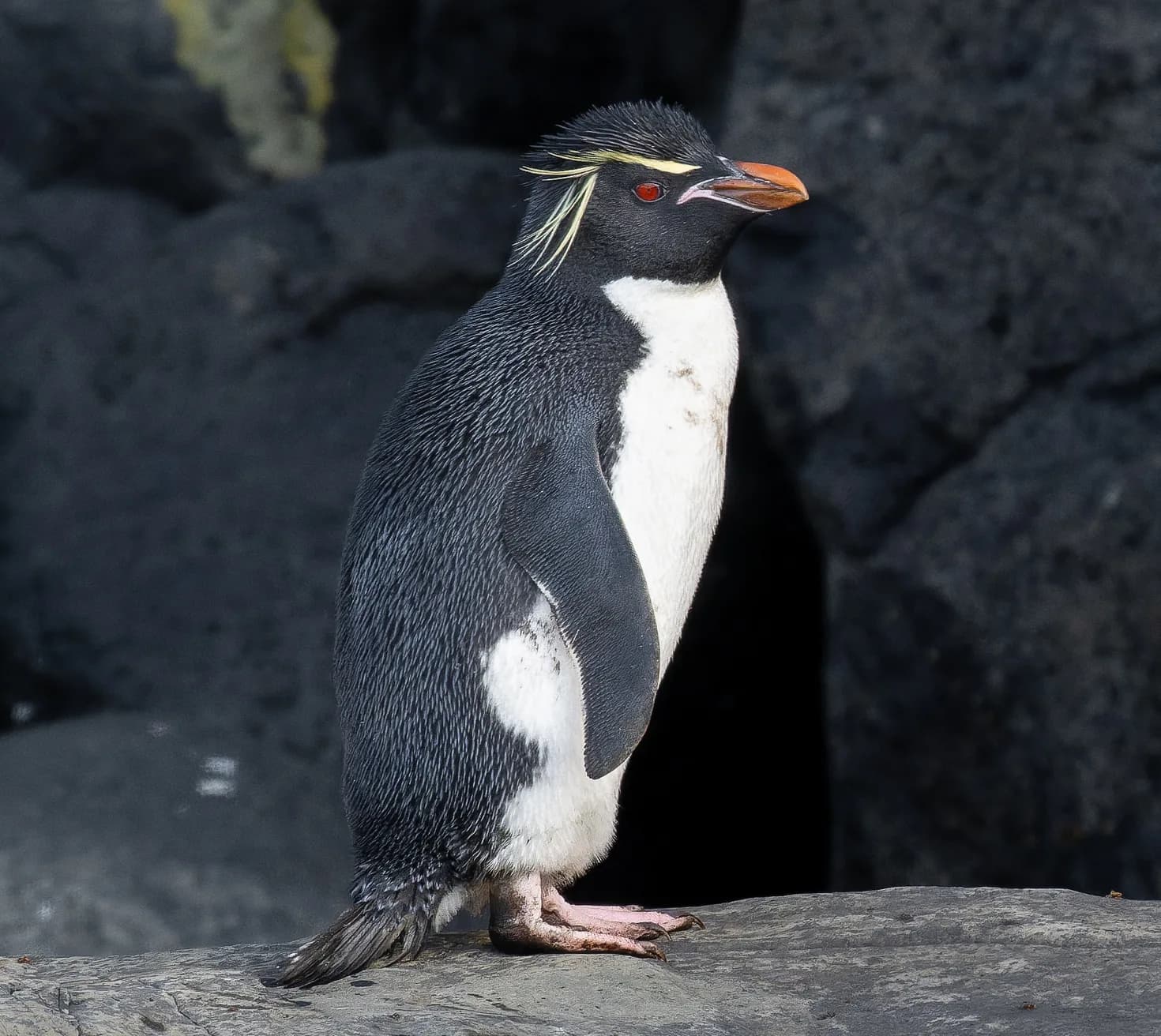
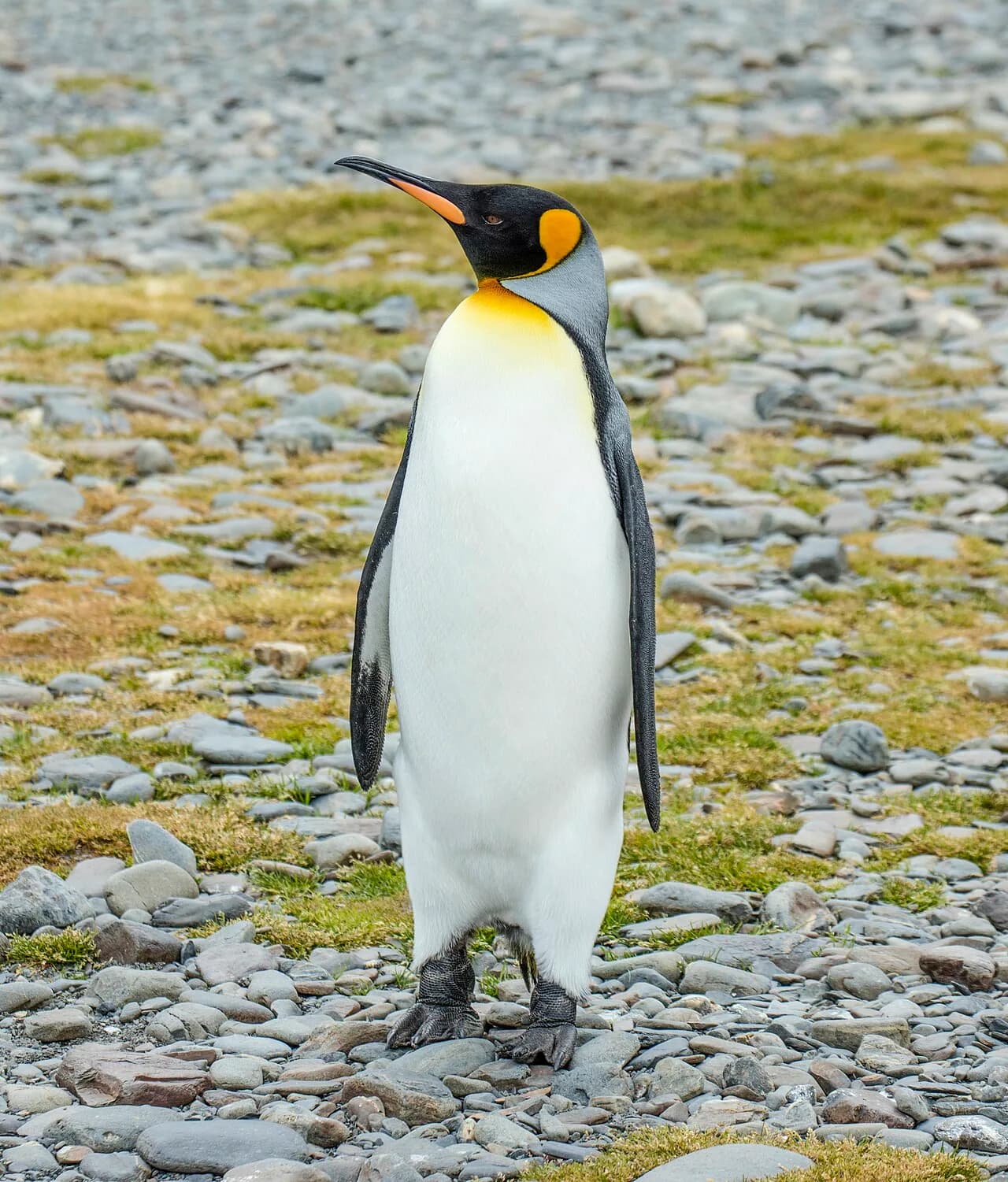
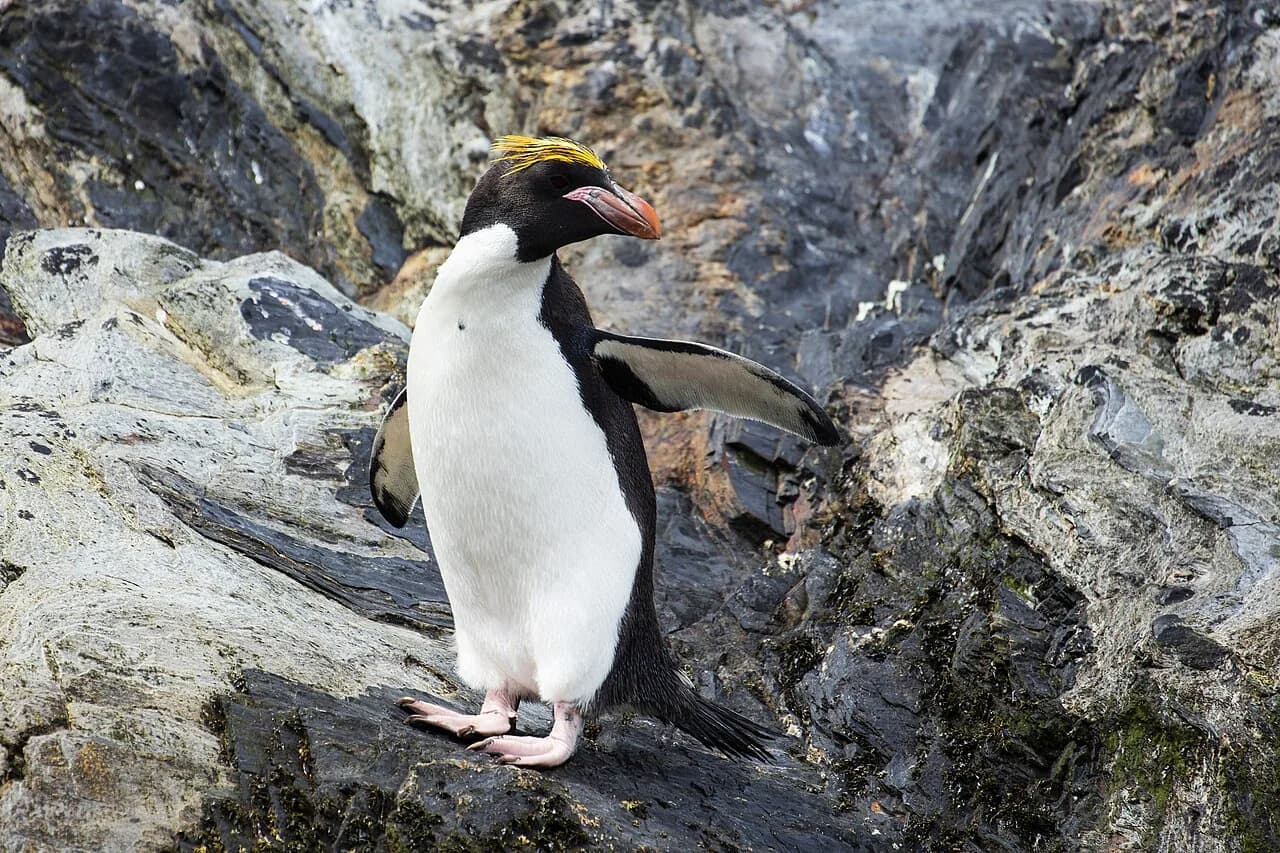
What this view reveals
- 3 penguin species are grouped by this region view.
- King Penguin is the largest here (to 95 cm).
- Eastern Rockhopper Penguin carries the highest listed risk (Vulnerable).
- Crozet Islands work only while the local ocean budget holds.
Compare inside this lens
Understanding Penguins in Crozet Islands
Crozet Islands are linked with 3 penguin species: Eastern Rockhopper Penguin, King Penguin, and Macaroni Penguin. Penguins appear where productive water, nestable ground, and tolerable predator or human pressure line up long enough to raise chicks.
What usually makes Crozet Islands work is the ocean side of the ledger — cold or upwelled water feeding plankton, then krill, fish, and squid. When currents, ice, or El Niño-class events rearrange that ledger, breeding fails first and counts fall later.
Species here are not interchangeable. King Penguin tops the size list (to 95 cm); Eastern Rockhopper Penguin is the compact end (55 cm). Habitats in-region include rocky coastlines, cliff faces, tussock grass, and Sub-Antarctic islands. Niche split by nest type and forage depth is how multiple penguins can share a map.
Eastern Rockhopper Penguin (Vulnerable) is the sharpest conservation signal in this regional set. Signature pressure points: King Penguin — “King Penguins win by stretching parenthood almost absurdly long. Their chicks survive because the species is built around endurance, not speed.” Eastern Rockhopper Penguin — “Eastern Rockhoppers survive on remoteness and athleticism, but neither trait protects them from large ocean changes.”
Frequently asked questions
Which penguins live in Crozet Islands?
Eastern Rockhopper Penguin, King Penguin, and Macaroni Penguin are tied to Crozet Islands through breeding, regular foraging, or strong regional association.
What is the largest penguin linked with Crozet Islands?
King Penguin is the largest in this regional hub (up to 95 cm).
Why is Crozet Islands important for penguins?
Crozet Islands matter because place bundles breeding ground, ocean access, weather, and the predators or people nearby. Eastern Rockhopper Penguin (Vulnerable) is the sharpest conservation signal among species linked here.