
Penguins in Southern Australia
Southern Australia is linked here mainly with Little Blue Penguin. Regional hubs with one species are still useful: they show the place-specific trap that bird is in.
Southern Australia is part of the penguin world because the surrounding seas, nesting ground, and climate make life possible there. On this page that means one bird first: Little Blue Penguin. Little Blues have to breed close enough to shore for short feeding trips while still keeping nests safe from dogs, cats, traffic, lights, and rough weather.
Species in lens
1
Singleton hub — depth over breadth
Profile focus
Little Blue Penguin
Up to 33 cm
Highest risk in view
Little Blue Penguin
Least Concern
Species profile entry
Southern Australia is part of the penguin world because the surrounding seas, nesting ground, and climate make life possible there.
Signature insight
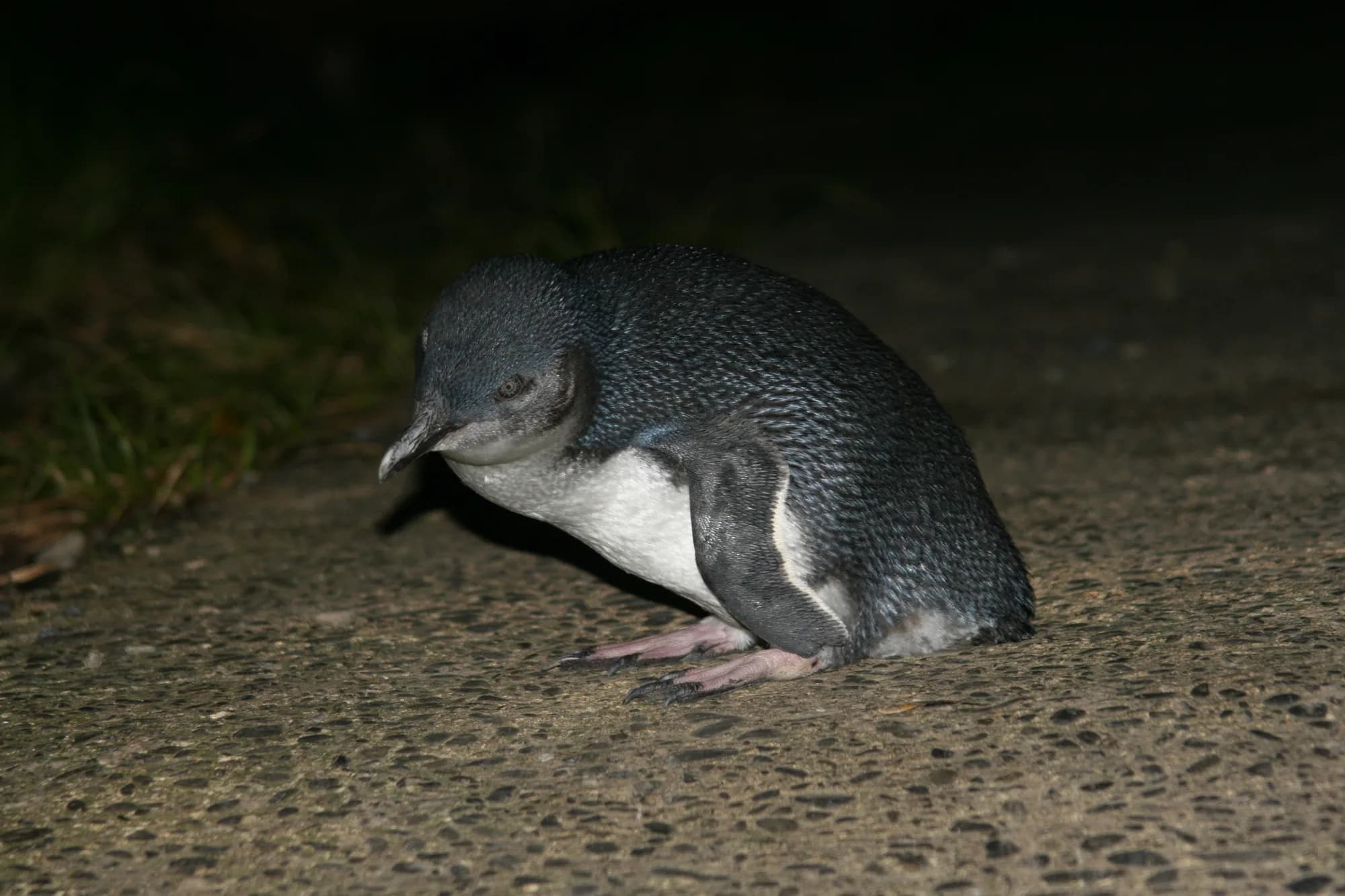
The Little Blue Penguin survives by being small, coastal, and secretive. It is a night commuter living in a world that humans have made dangerously easy for predators.
Open full Little Blue Penguin profileWhat this view reveals
- Little Blue Penguin is the only species in this region view right now.
- Little Blues have to breed close enough to shore for short feeding trips while still keeping nests safe from dogs, cats, traffic, lights, and rough weather.
- Conservation: Least Concern · ~469,760 individuals.
Understanding Penguins in Southern Australia
Southern Australia currently highlights one species in this catalogue: Little Blue Penguin (Eudyptula minor). The Little Blue Penguin survives by being small, coastal, and secretive.
Survival brief: Little Blues have to breed close enough to shore for short feeding trips while still keeping nests safe from dogs, cats, traffic, lights, and rough weather. Myth people still carry: Suburban penguins must be thriving if people see them so often. What the evidence supports instead: Some local colonies persist precisely because volunteers and protections are doing heavy lifting. Left alone, many sites unravel quickly.
Field numbers: 30–33 cm, 1–1.5 kg, lifespan about 6–25 years. Status Least Concern; population ~469,760 individuals; trend mixed.
Where and what: ranges include New Zealand and Southern Australia; habitats Rocky coastlines, Burrows, and Coastal forests; diet small fish, squid, and crustaceans. Classified as Least Concern with a wide distribution across southern Australia and New Zealand. Open the full profile for sources, research gaps, and related species.
Frequently asked questions
Which penguins live in Southern Australia?
In this catalogue, Little Blue Penguin is the species tied to this region page. The world's smallest penguin species at just 30–33 cm tall and around 1 kg, Little Blue Penguins are unique for their slate-blue plumage and nocturnal habits on land, returning to their burrows only after dark.
What is the main survival problem for Little Blue Penguin?
Little Blues have to breed close enough to shore for short feeding trips while still keeping nests safe from dogs, cats, traffic, lights, and rough weather.
What is the conservation status of Little Blue Penguin?
Little Blue Penguin is listed as Least Concern, with an estimated population of ~469,760 individuals. Trend: mixed. Classified as Least Concern with a wide distribution across southern Australia and New Zealand.