
Penguins That Eat Krill
11 penguin species in this guide eat krill, including Adelie Penguin, Chinstrap Penguin, Eastern Rockhopper Penguin, and 8 more. Shared prey couples different birds to the same ocean bottleneck.
Krill matter as a shared diet signal: dive depth, commute length, and breeding success all hinge on whether that prey still shows up on schedule. This lens groups Adelie Penguin, Chinstrap Penguin, Eastern Rockhopper Penguin, and 8 more.
Species in lens
11
By diet
Size span
55–130 cm
Western Rockhopper Penguin → Emperor Penguin
Highest risk in view
Emperor Penguin
Endangered
Species in this lens
Krill matters because prey choice shapes dive depth, breeding success, and how badly a penguin suffers when the ocean changes.
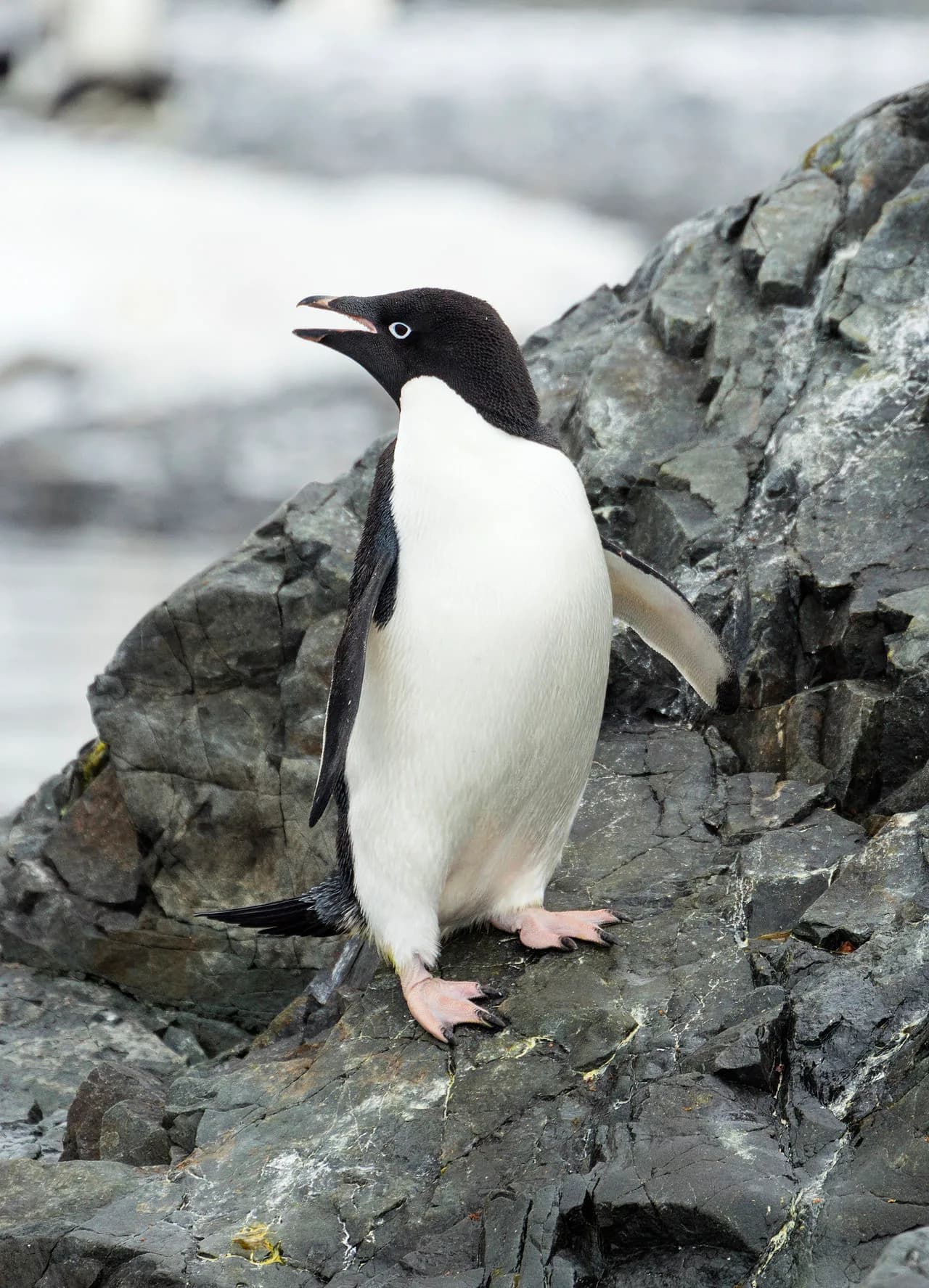
Adelie Penguin
Pygoscelis adeliae
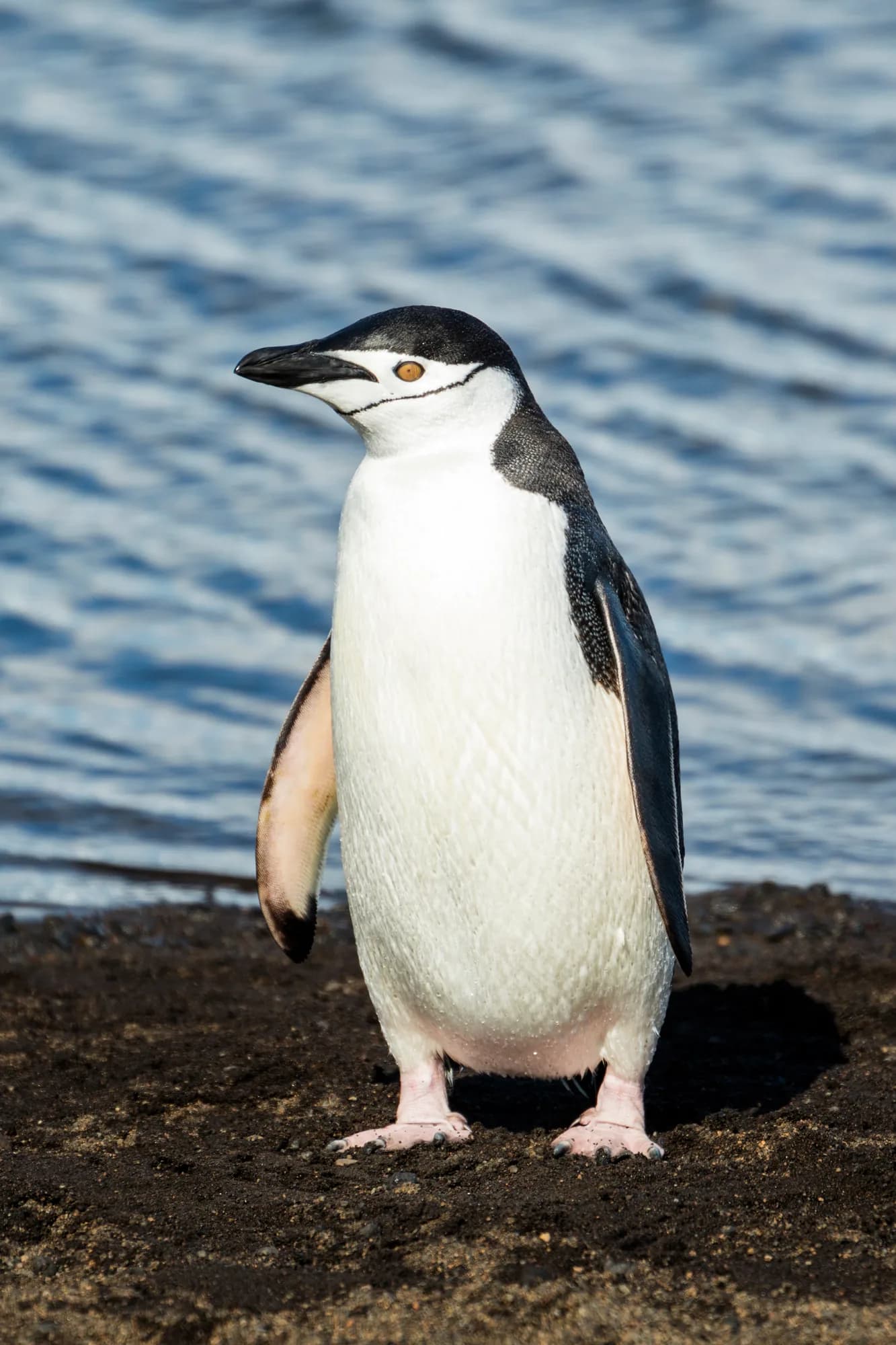
Chinstrap Penguin
Pygoscelis antarcticus
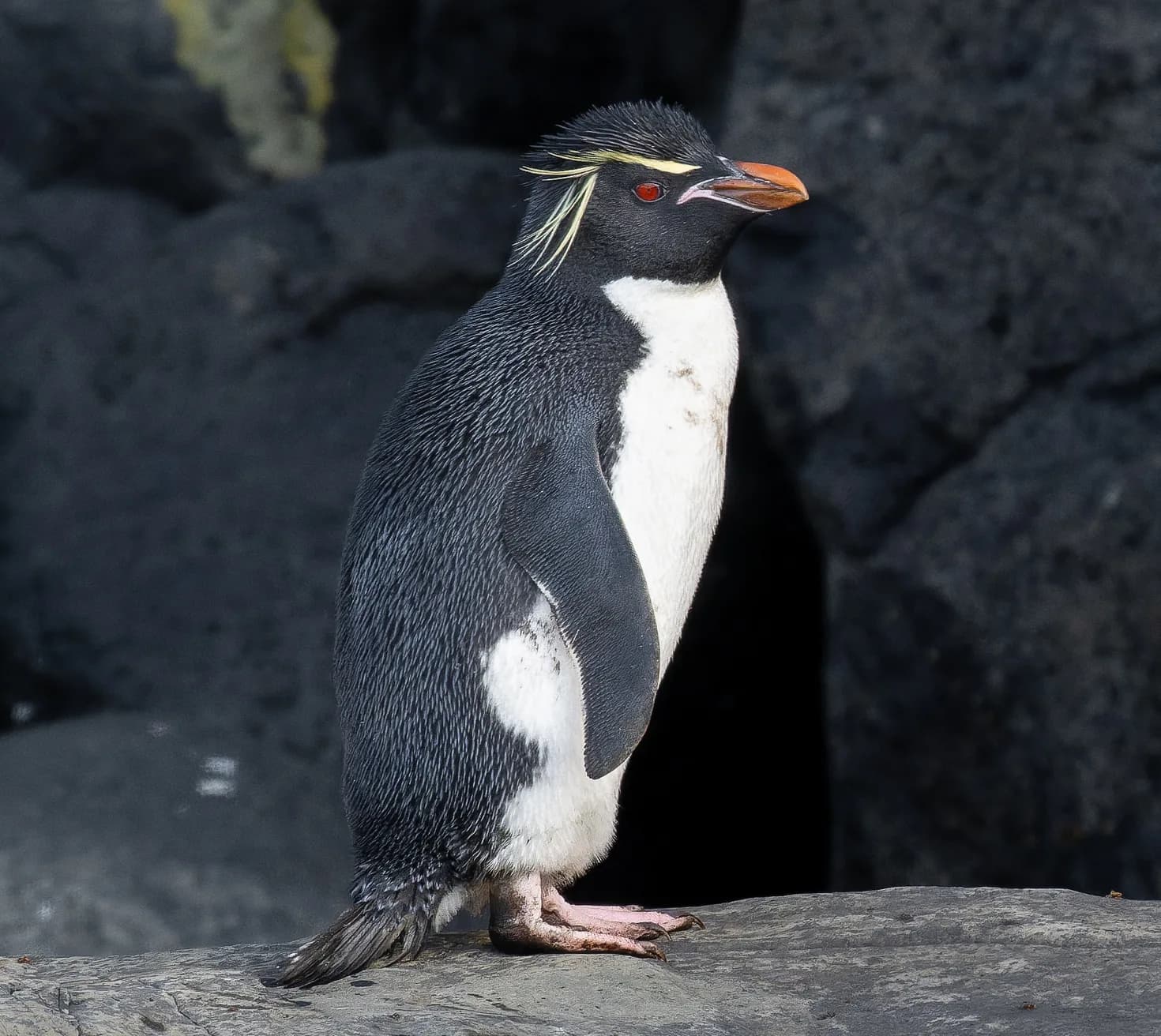
Eastern Rockhopper Penguin
Eudyptes filholi
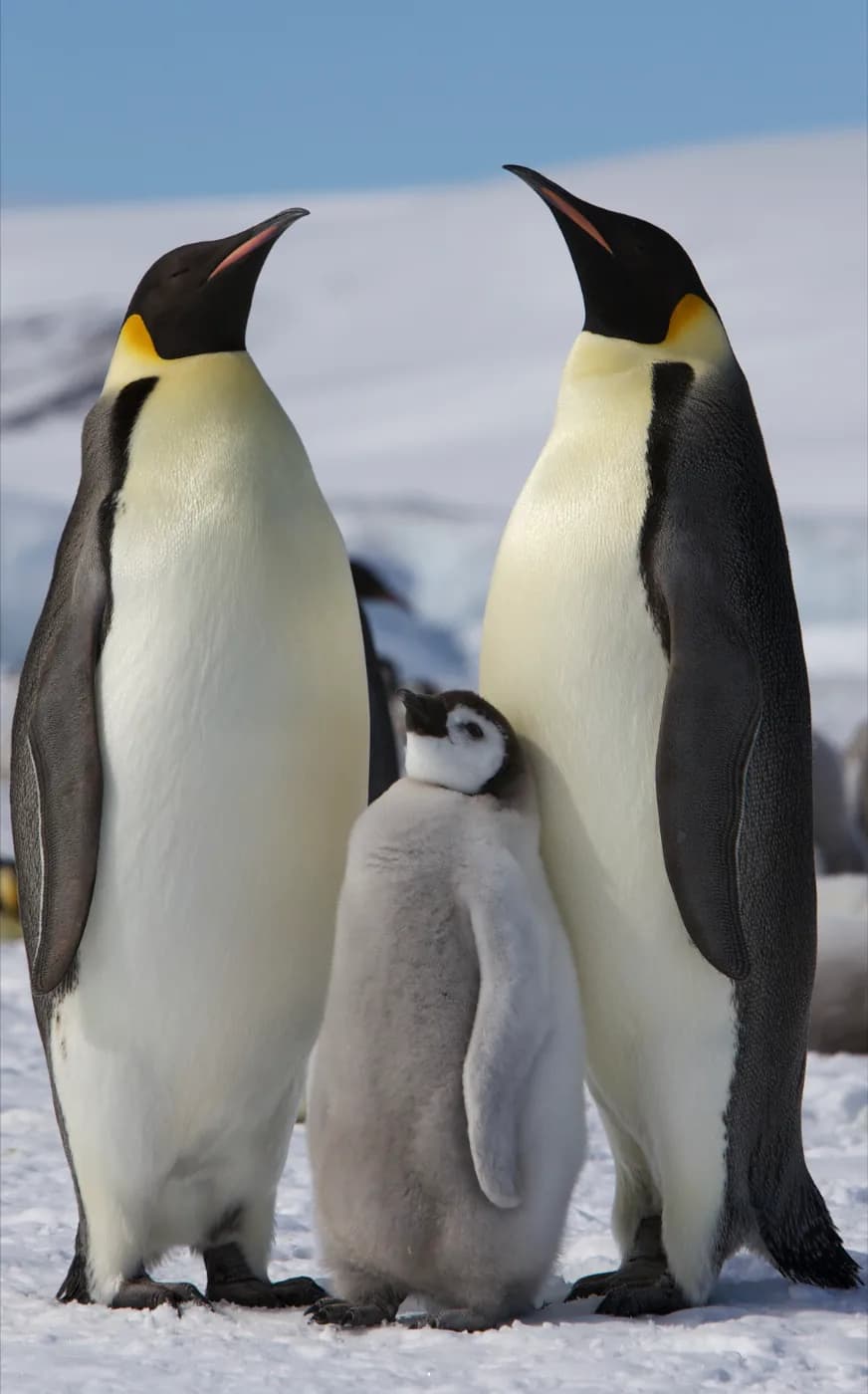
Emperor Penguin
Aptenodytes forsteri
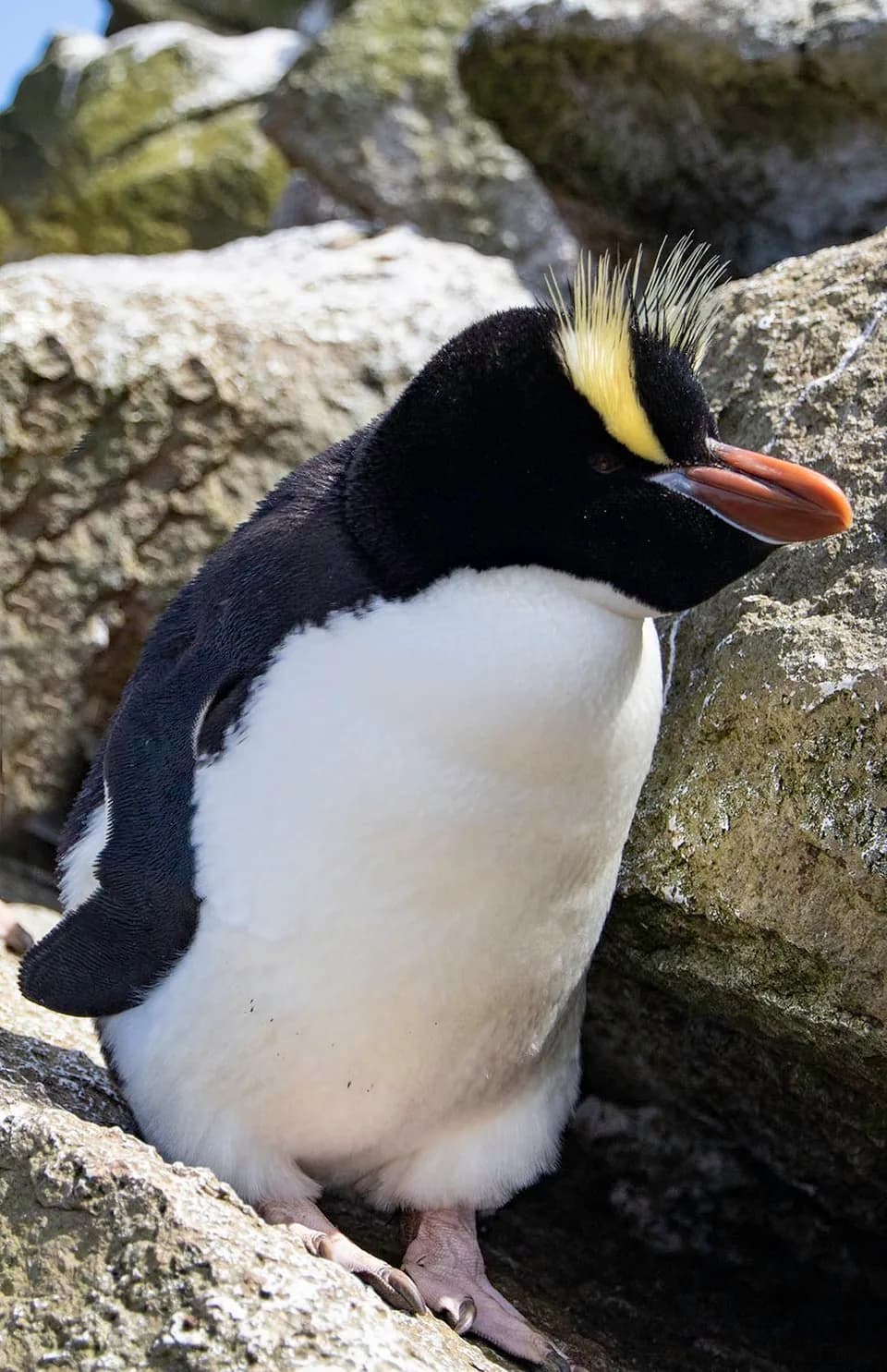
Erect-crested Penguin
Eudyptes sclateri
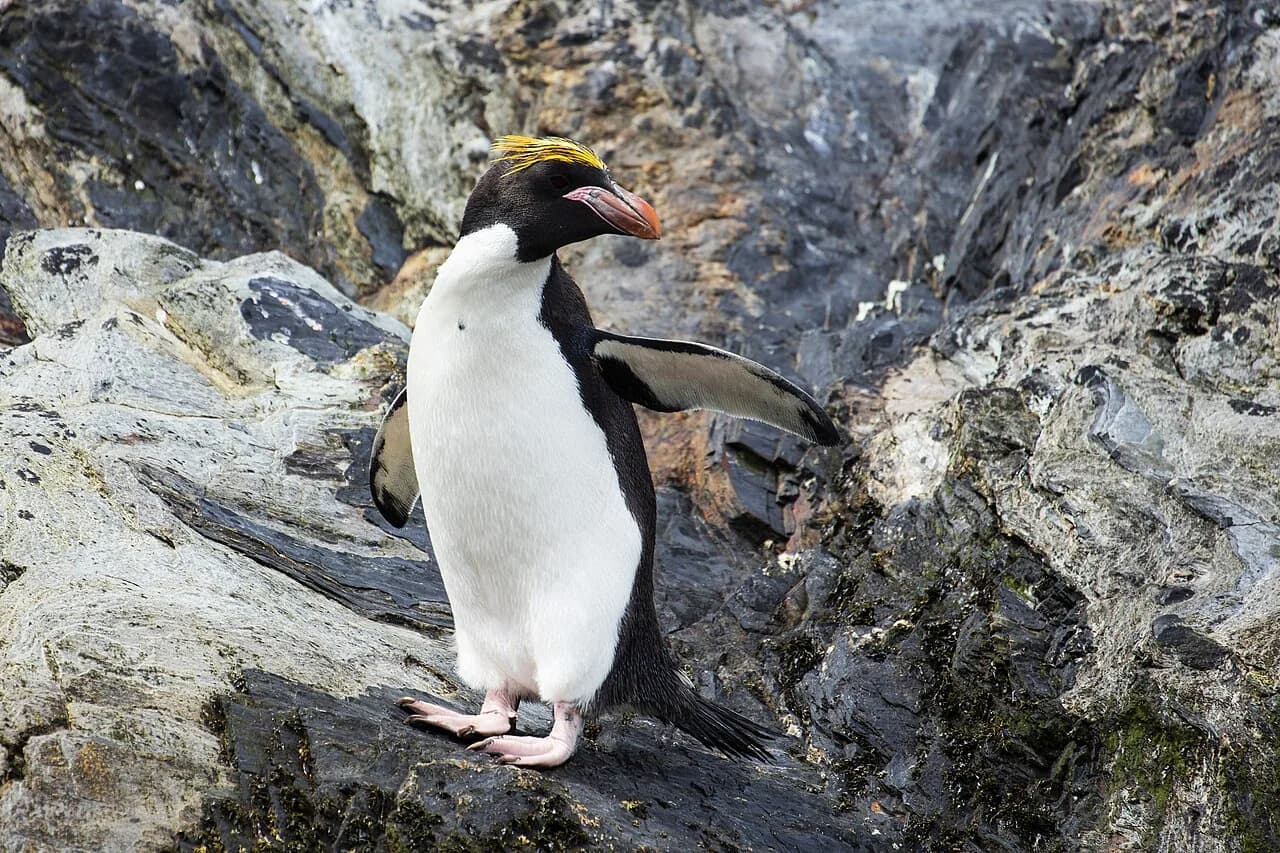
Macaroni Penguin
Eudyptes chrysolophus
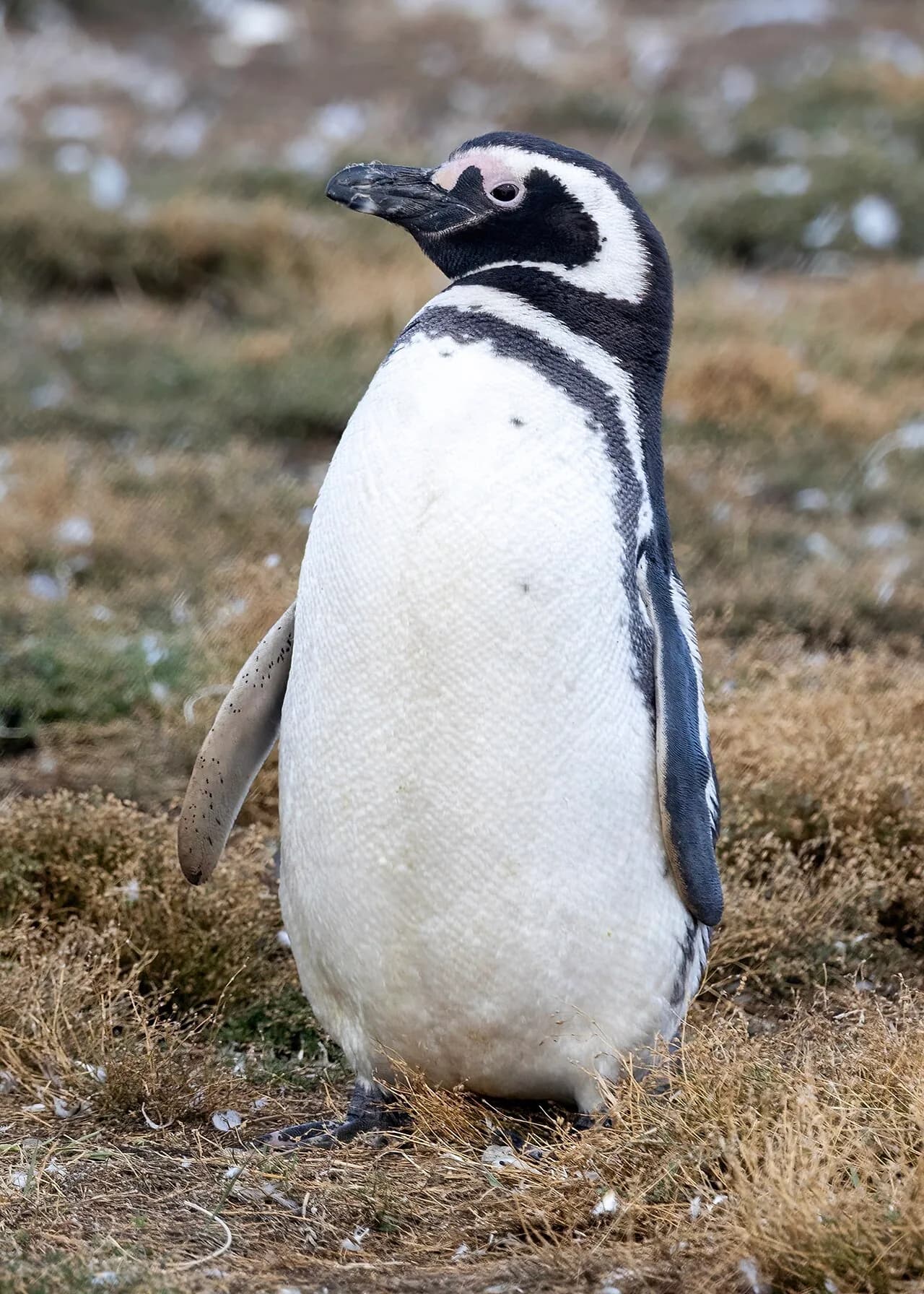
Magellanic Penguin
Spheniscus magellanicus
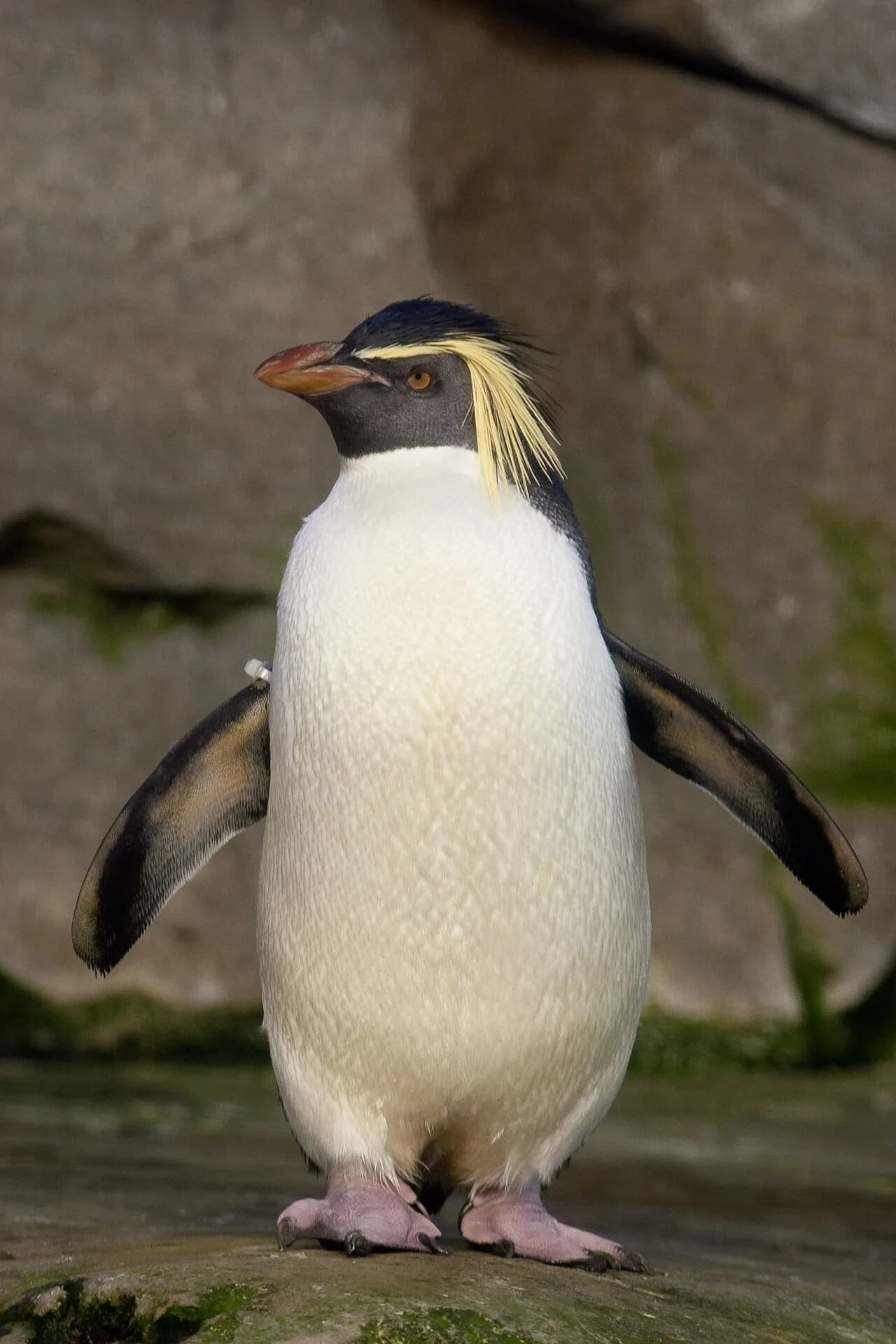
Northern Rockhopper Penguin
Eudyptes moseleyi
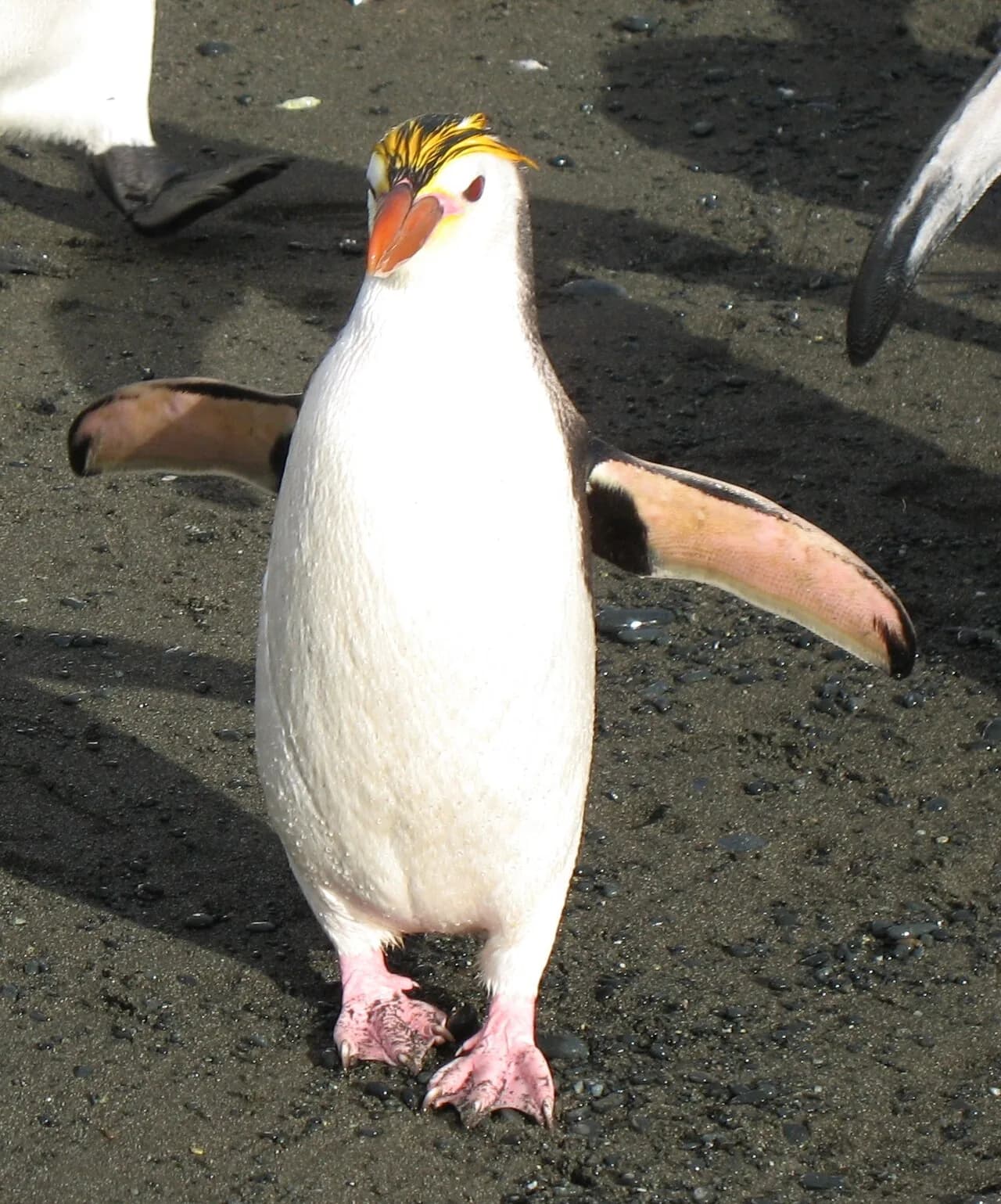
Royal Penguin
Eudyptes schlegeli
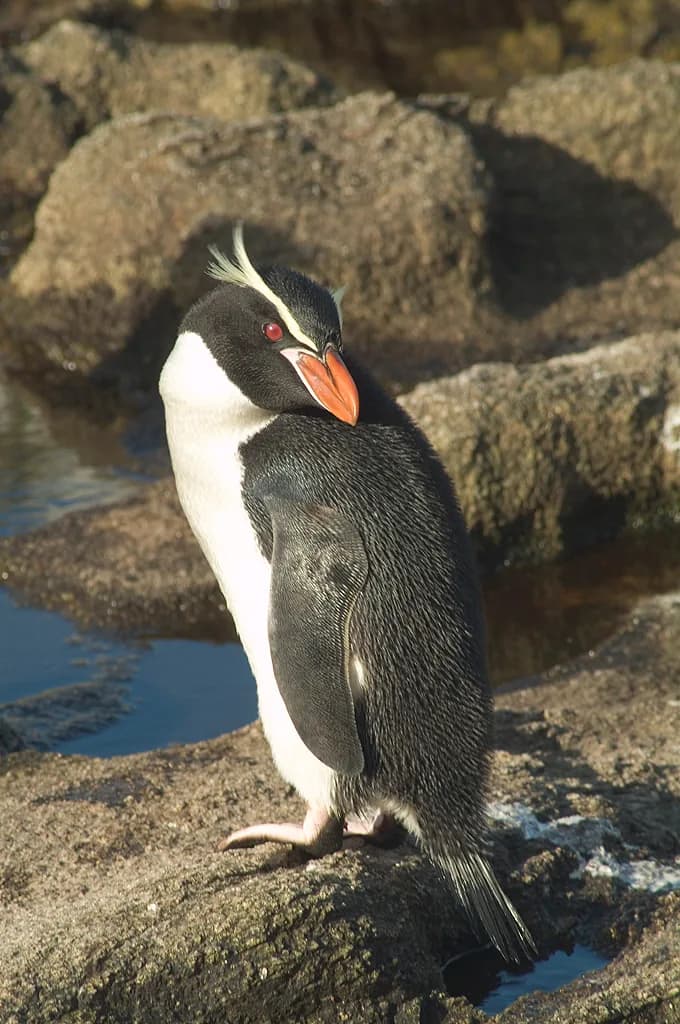
Snares Penguin
Eudyptes robustus
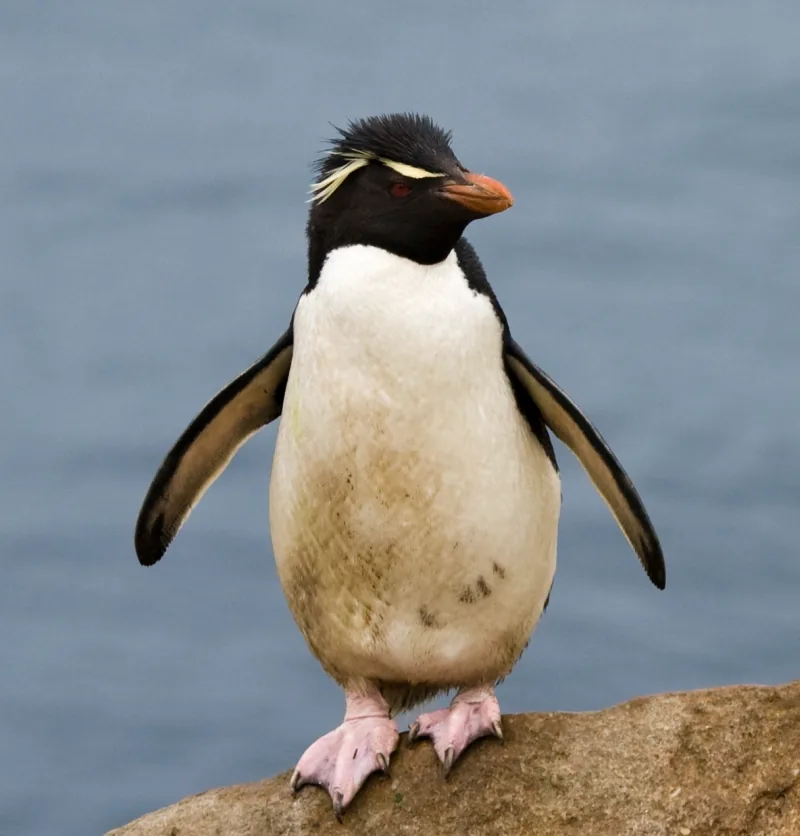
Western Rockhopper Penguin
Eudyptes chrysocome
What this view reveals
- 11 penguin species are grouped by this diet view.
- Emperor Penguin is the largest here (to 130 cm).
- Emperor Penguin carries the highest listed risk (Endangered).
- Shared interest in krill couples different birds to one prey risk.
Compare inside this lens
Read next
All guidesUnderstanding Penguins That Eat Krill
11 penguin species include krill in the diet list: Adelie Penguin, Chinstrap Penguin, Eastern Rockhopper Penguin, Emperor Penguin, Erect-crested Penguin, Macaroni Penguin, Magellanic Penguin, Northern Rockhopper Penguin, Royal Penguin, Snares Penguin, and Western Rockhopper Penguin. Prey choice sets dive depth, trip length from the colony, and how hard a lean ocean year hits chick survival.
Krill matter in the food web that feeds these birds. When abundance or accessibility drops — temperature, currents, or fishery competition — adults may still look fine while breeding quietly fails.
These krill-linked penguins span Antarctica, South Shetland Islands, South Orkney Islands, South Sandwich Islands, and Antarctic Peninsula and sizes from Western Rockhopper Penguin (55 cm) to Emperor Penguin (130 cm). Larger birds can often work deeper water; smaller birds are stuck with a shallower slice of the same prey idea.
Emperor Penguin (Endangered) is the highest-risk species in this dietary group. Signature pressure point: Emperor Penguin — “The Emperor Penguin is not built to defeat Antarctic winter. It survives by turning a breeding pair into a relay team, with the male becoming a walking incubator on sea ice.”
Frequently asked questions
Which penguins eat krill?
Adelie Penguin, Chinstrap Penguin, Eastern Rockhopper Penguin, Emperor Penguin, Erect-crested Penguin, Macaroni Penguin, Magellanic Penguin, Northern Rockhopper Penguin, Royal Penguin, Snares Penguin, and Western Rockhopper Penguin all take krill as part of the diet, though not always in the same proportion or season.
Does eating krill mean these penguins live in the same place?
No. Shared prey can span distant regions. Place and depth still decide which bird actually gets the meal.
Which penguin that eats krill is most threatened?
Emperor Penguin has the highest conservation status in this dietary hub: Endangered.