Pygoscelis Penguins
3 penguin species sit in genus Pygoscelis, including Adelie Penguin, Chinstrap Penguin, and Gentoo Penguin. Largest: Gentoo Penguin. Under most pressure: Adelie Penguin (Least Concern). The useful question is which body plan and breeding logic they still share.
Pygoscelis includes the brush-tailed penguins: Adelie, Chinstrap, and Gentoo, species often compared for their Antarctic and sub-Antarctic overlap. Gentoo Penguin (to 90 cm) shows the biggest expression of the plan; Adelie Penguin (Least Concern) shows where the same lineage is thinnest.
Species in lens
3
By genus
Size span
71–90 cm
Adelie Penguin → Gentoo Penguin
Highest risk in view
Adelie Penguin
Least Concern
Species in this lens
Pygoscelis includes the brush-tailed penguins: Adelie, Chinstrap, and Gentoo, species often compared for their Antarctic and sub-Antarctic overlap.
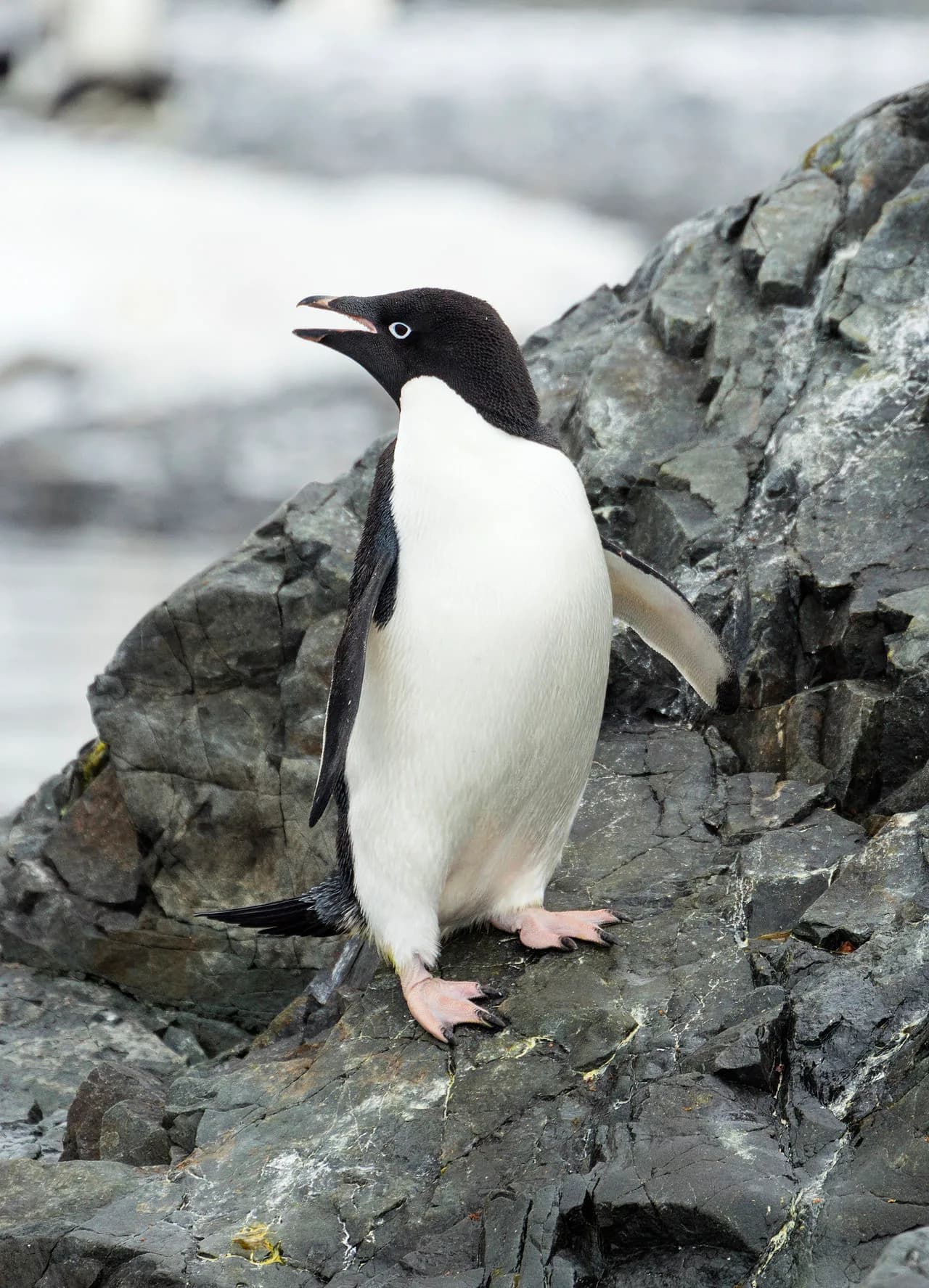
Adelie Penguin
Pygoscelis adeliae
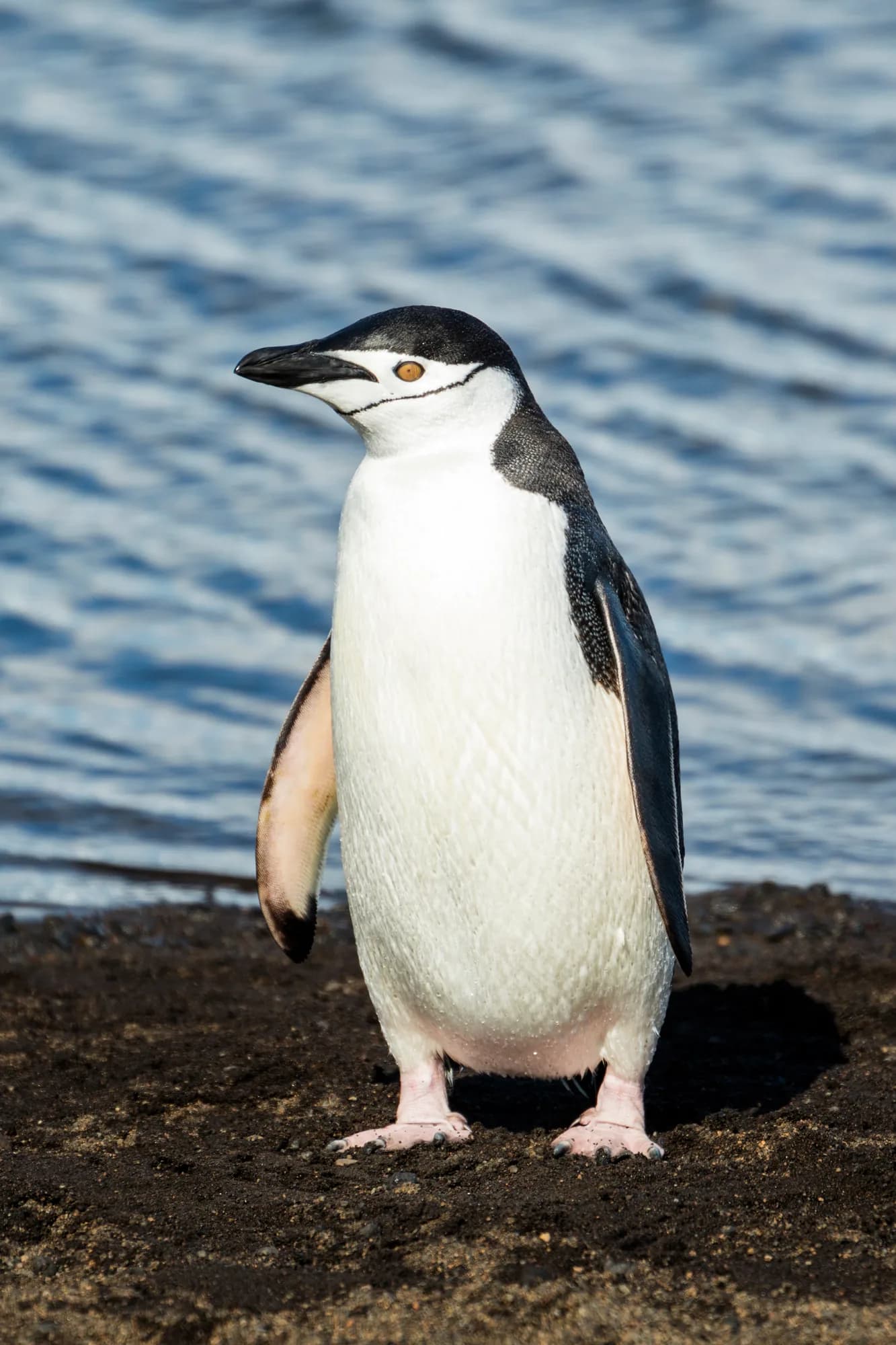
Chinstrap Penguin
Pygoscelis antarcticus
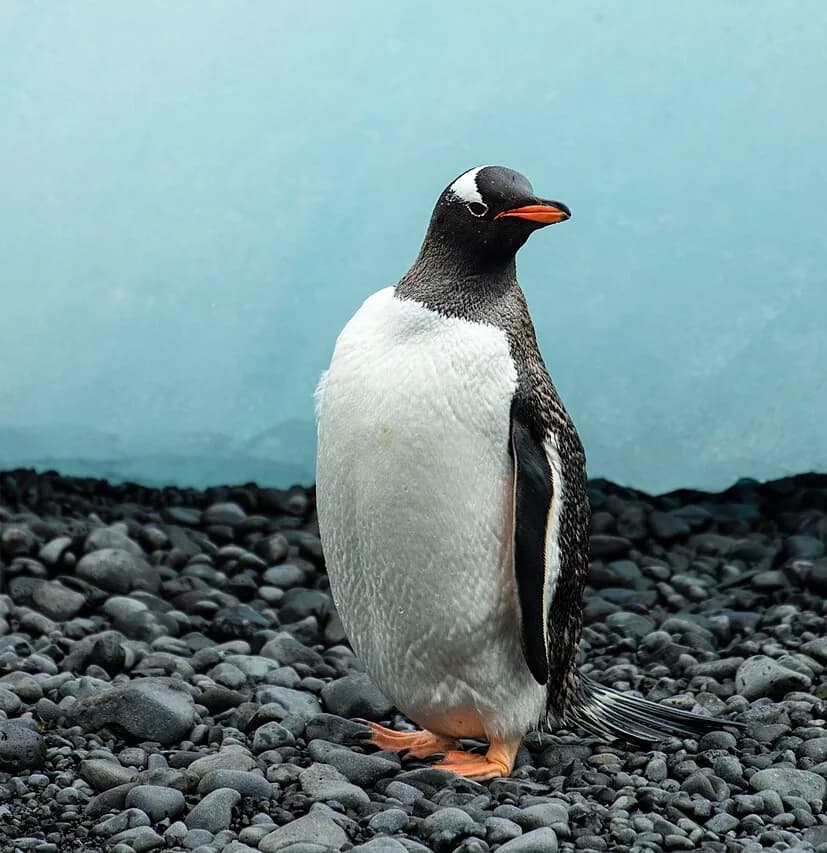
Gentoo Penguin
Pygoscelis papua
What this view reveals
- 3 penguin species are grouped by this genus view.
- Gentoo Penguin is the largest here (to 90 cm).
- Adelie Penguin carries the highest listed risk (Least Concern).
- Shared genus Pygoscelis explains design; place and prey explain divergence.
Compare inside this lens
Read next
All guidesUnderstanding Pygoscelis Penguins
Genus Pygoscelis holds 3 species here: Adelie Penguin, Chinstrap Penguin, and Gentoo Penguin. Shared ancestry shows up as related body plans and physiology, not identical lives. Pygoscelis includes the brush-tailed penguins: Adelie, Chinstrap, and Gentoo, species often compared for their Antarctic and sub-Antarctic overlap.
Size span runs from Adelie Penguin (to 71 cm) to Gentoo Penguin (to 90 cm). That stretch rearranges fasting capacity, dive physics, and how expensive a failed breeding year becomes.
Diet across the genus centres on krill, fish, squid and octopus, and crustaceans, with different depths and seasons. Geography covers Antarctica, South Shetland Islands, South Orkney Islands, South Sandwich Islands, and Antarctic Peninsula. Same toolkit, different oceans.
IUCN labels inside the genus: Least Concern. Adelie Penguin sits highest on the risk ladder (Least Concern). Signature pressure points: Gentoo Penguin — “Gentoo Penguins are the rare case where flexibility looks almost like swagger. Speed, dietary breadth, and adaptable breeding habits have made them one of the few modern penguin success stories.” Adelie Penguin — “Adelies look like the default penguin in a field guide, but they are really a climate instrument with feathers. They show you when sea ice and krill stop lining up.”
Frequently asked questions
Which penguins belong to the genus Pygoscelis?
Adelie Penguin, Chinstrap Penguin, and Gentoo Penguin all sit in Pygoscelis. They share part of an evolutionary frame even when lifestyles diverge.
What is the largest Pygoscelis penguin?
Gentoo Penguin is the largest here, reaching up to 90 cm (smallest end: Adelie Penguin at 71 cm).
Which Pygoscelis penguin is most threatened?
Adelie Penguin currently carries the highest conservation status in this genus group: Least Concern.