
Vulnerable Penguins
6 penguin species are currently classed as vulnerable, including Eastern Rockhopper Penguin, Fiordland Penguin, Humboldt Penguin, and 3 more. The label is the danger band — not a single villain shared by every bird.
Vulnerable penguins face a high risk of decline in the medium term and often need focused conservation attention to stabilize breeding success and food access. These 6 birds do not share one villain. They share a narrowed margin — from Western Rockhopper Penguin to Macaroni Penguin in size, and from different oceans in cause.
Species in lens
6
By status
Size span
55–77 cm
Western Rockhopper Penguin → Macaroni Penguin
Highest risk in view
Eastern Rockhopper Penguin
Vulnerable
Species in this lens
Vulnerable penguins face a high risk of decline in the medium term and often need focused conservation attention to stabilize breeding success and food access.
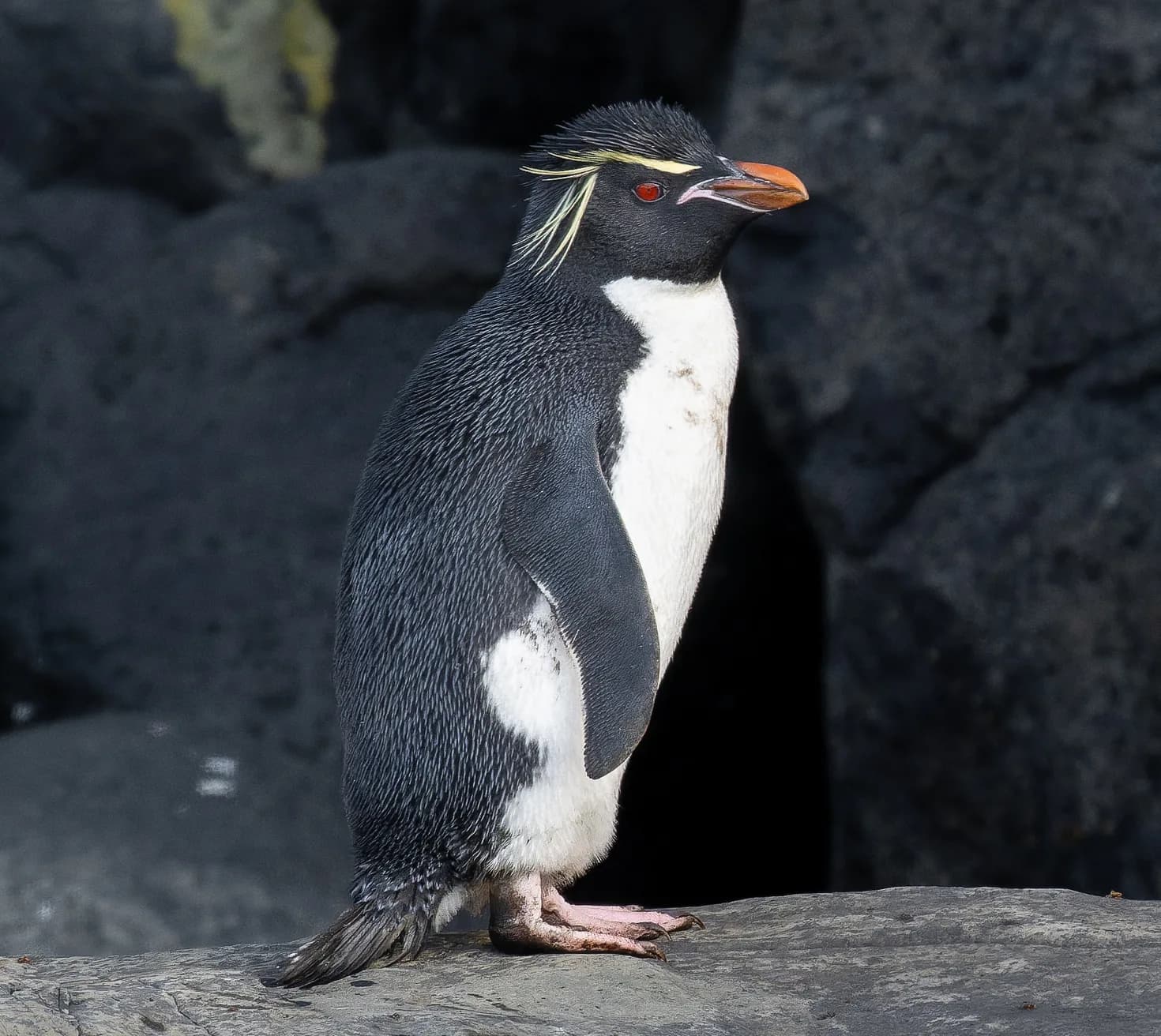
Eastern Rockhopper Penguin
Eudyptes filholi
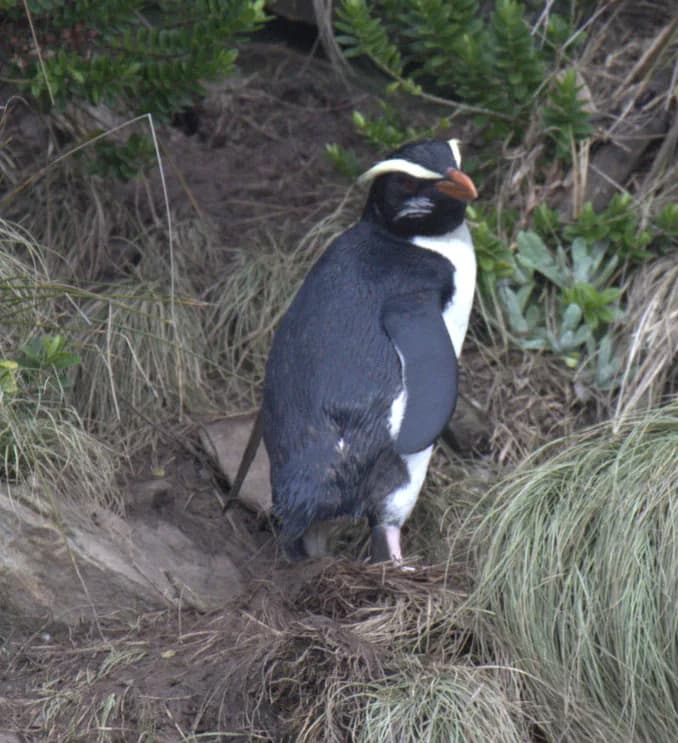
Fiordland Penguin
Eudyptes pachyrhynchus
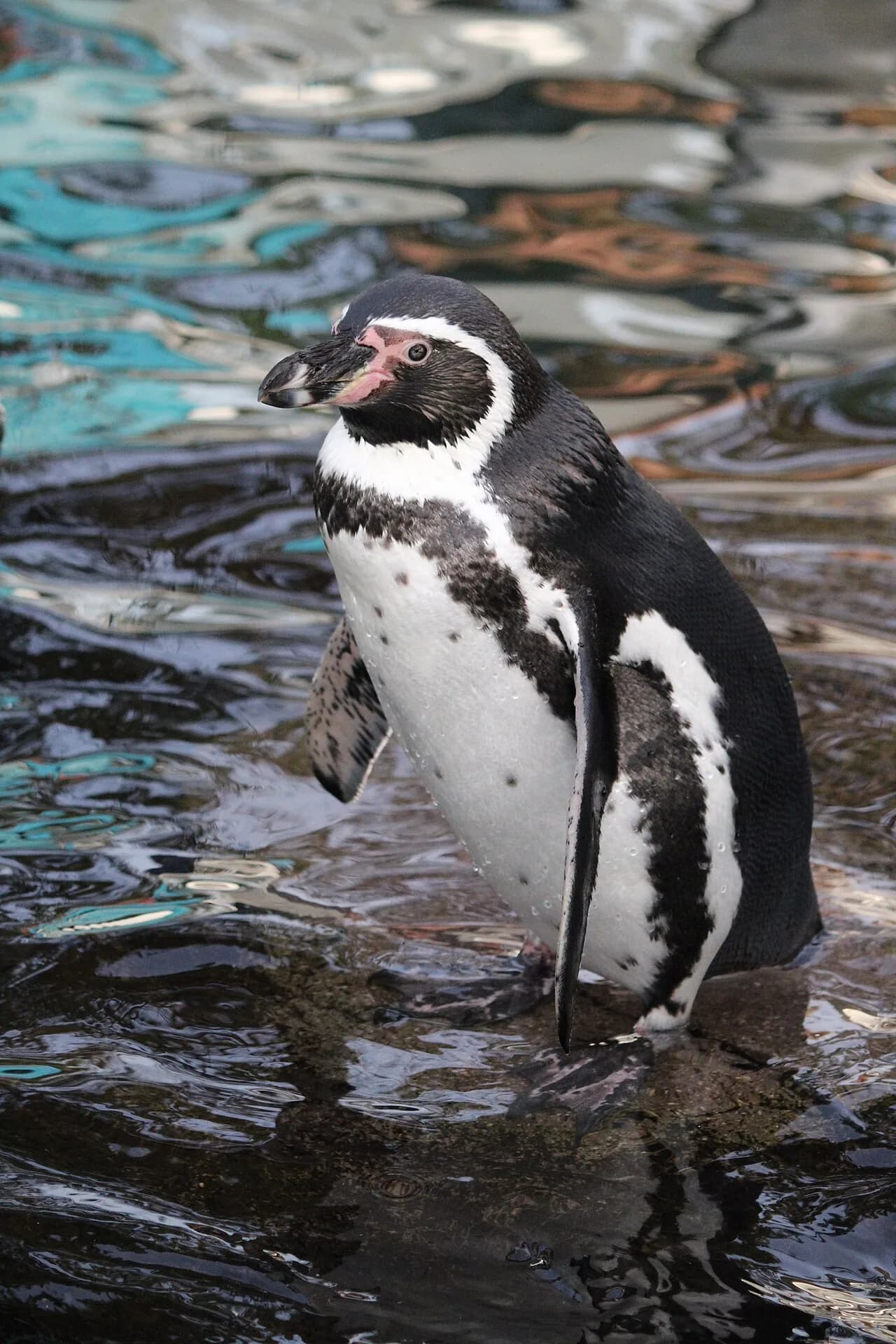
Humboldt Penguin
Spheniscus humboldti
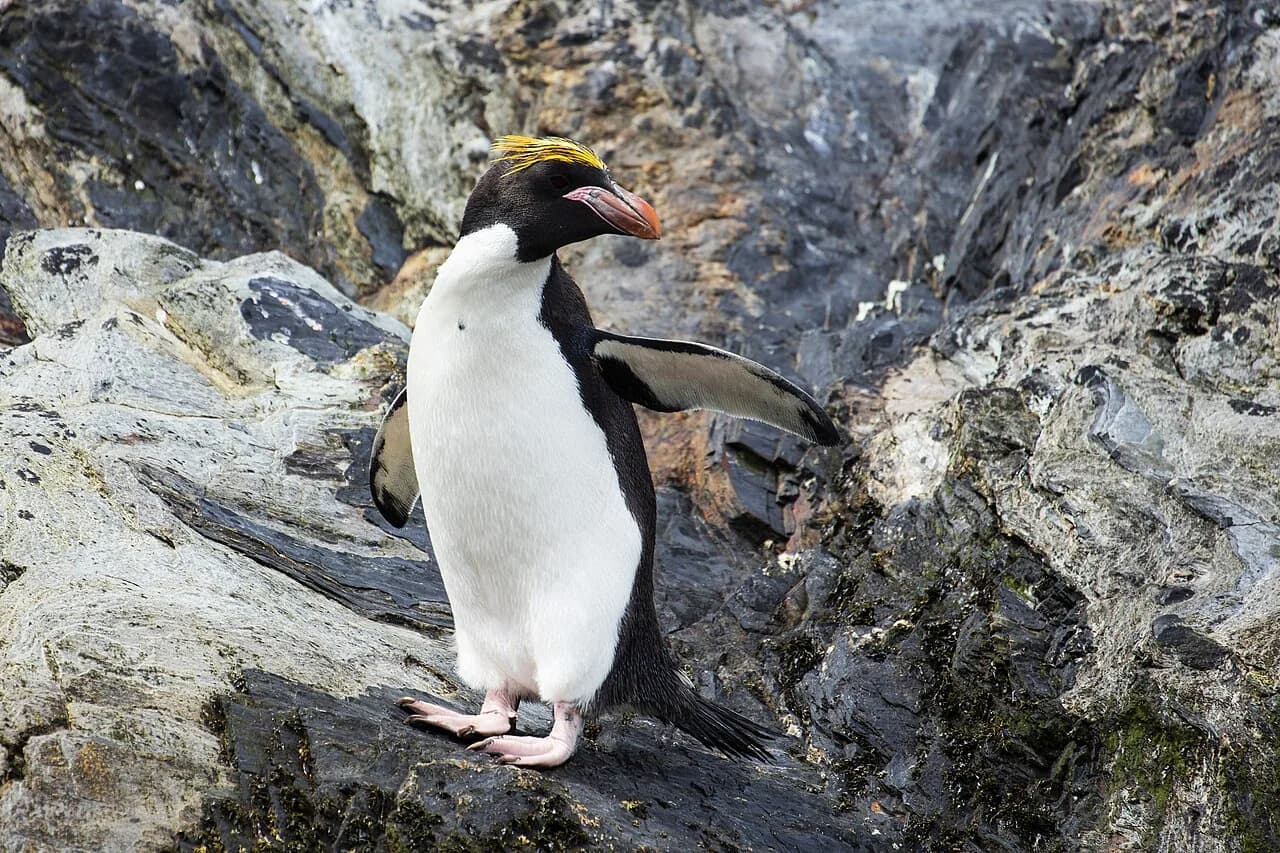
Macaroni Penguin
Eudyptes chrysolophus
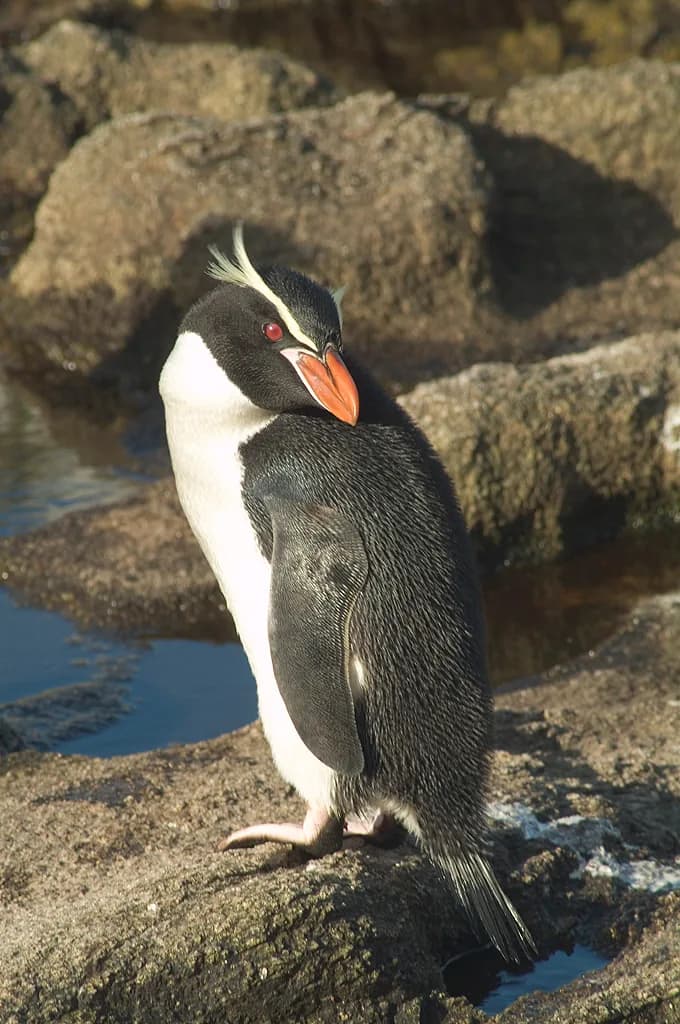
Snares Penguin
Eudyptes robustus
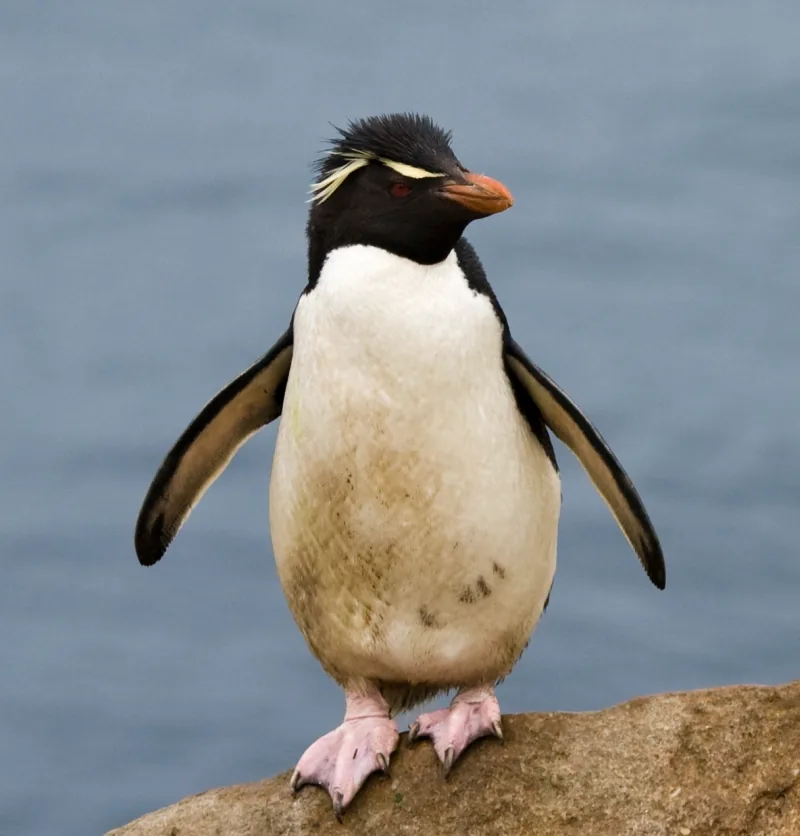
Western Rockhopper Penguin
Eudyptes chrysocome
What this view reveals
- 6 penguin species are grouped by this status view.
- Macaroni Penguin is the largest here (to 77 cm).
- Eastern Rockhopper Penguin carries the highest listed risk (Vulnerable).
- Shared IUCN band Vulnerable is not a shared cause list.
Compare inside this lens
Read next
All guidesUnderstanding Vulnerable Penguins
6 penguin species are listed as Vulnerable: Eastern Rockhopper Penguin, Fiordland Penguin, Humboldt Penguin, Macaroni Penguin, Snares Penguin, and Western Rockhopper Penguin. The shared band is risk class, not a shared threat story. Climate, fisheries, introduced predators, and nesting habitat can load in different mixes.
Size here runs Western Rockhopper Penguin (55 cm) to Macaroni Penguin (77 cm). Habitats include rocky coastlines, cliff faces, tussock grass, and coastal forest and scrub; prey includes krill, squid and octopus, fish, and crustaceans. One conservation recipe will not fit all of them.
Reported population trends in this band include decreasing and stable. Trend and status are related but not the same signal — a bird can sit in a high category while another with a softer label is already sliding.
Signature pressure points: Macaroni Penguin — “Macaroni Penguins may be among the most numerous penguins on Earth, which makes them dangerous to underestimate. A giant population can still be living on borrowed ecological luck.” Eastern Rockhopper Penguin — “Eastern Rockhoppers survive on remoteness and athleticism, but neither trait protects them from large ocean changes.”
Frequently asked questions
Which penguins are listed as vulnerable?
Eastern Rockhopper Penguin, Fiordland Penguin, Humboldt Penguin, Macaroni Penguin, Snares Penguin, and Western Rockhopper Penguin are the species in this vulnerable group on Penguin Place.
Do all vulnerable penguins face the same threat?
No. They share a risk band, not a single cause. Climate stress, food shortage, predators, and disturbance can stack differently for each species.
Which vulnerable penguin is the largest?
Macaroni Penguin is the largest in this status group (up to 77 cm). Highest-risk signal in the same band is still about status, not size — here the sharpest listed pressure is Eastern Rockhopper Penguin.