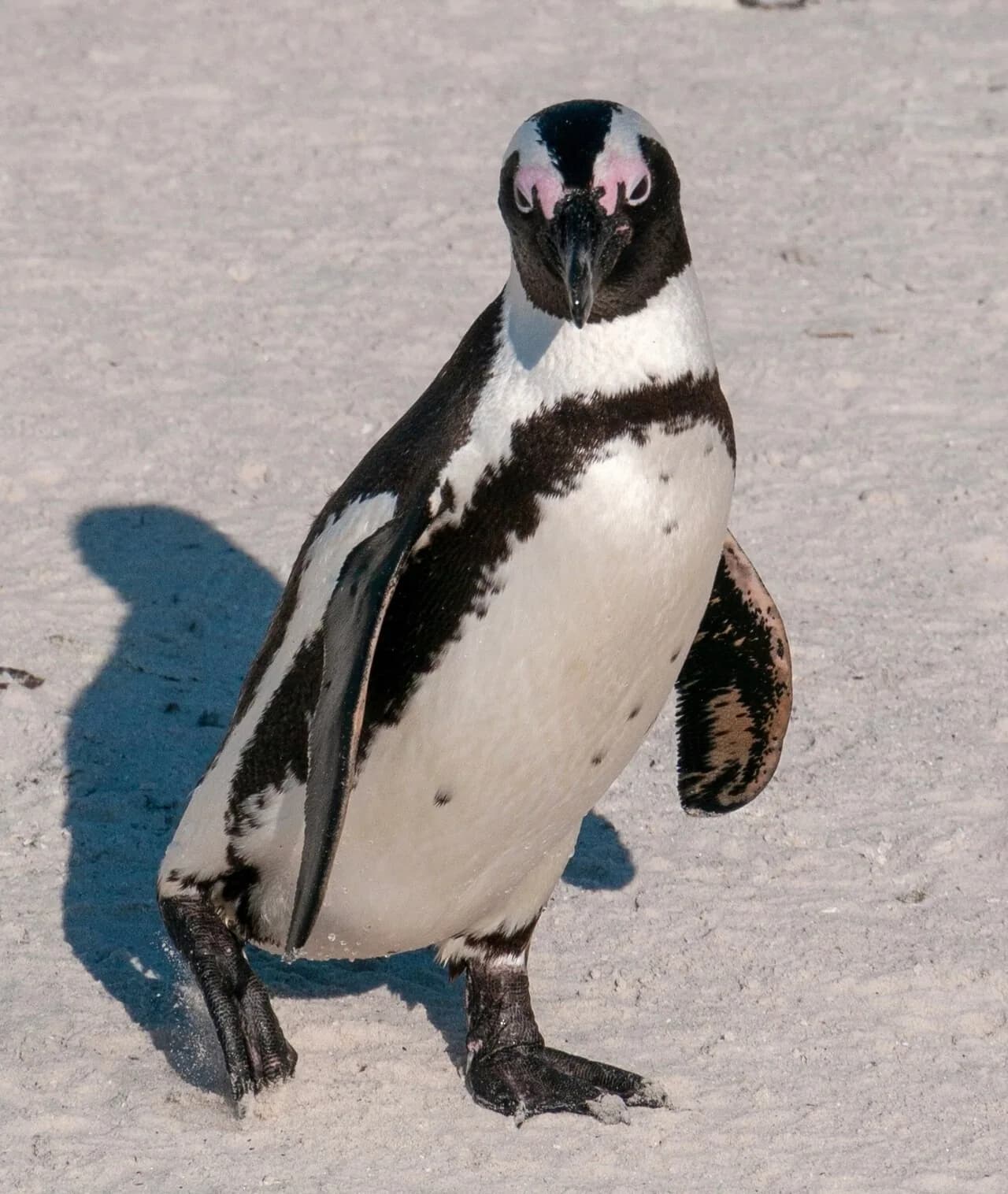
The African Penguin is the only penguin species native to the African continent, and it is running out of time. In 2024, the IUCN uplisted the species to Critically Endangered, reflecting a population collapse that has been building for over a century. Understanding why requires looking at several pressures that arrived at once and never let up.
The Scale of the Decline
In the early 1900s, the African Penguin population was estimated at roughly 1.5 to 2 million breeding pairs. Today, fewer than 10,000 pairs remain in the wild. That is a decline of more than 97 percent in roughly a century. The trajectory has not flattened. Breeding colonies in South Africa and Namibia continue to shrink.
This is not a species that was always rare. The African Penguin was once among the most abundant seabirds along the southern African coast.
What Is Driving the Collapse
Egg Collection and Guano Harvesting
The earliest blow was industrial. For decades in the 19th and early 20th centuries, penguin eggs were collected for food and guano was scraped from breeding islands for fertilizer. Guano removal was especially destructive because African Penguins dig burrows in guano layers to nest. Removing that substrate forced birds onto exposed ground where eggs and chicks overheat or fall prey to predators far more easily.
Fisheries Competition
African Penguins depend on small schooling fish, especially sardines and anchovies, that form dense prey patches near breeding colonies. Industrial fishing for these same species has displaced or reduced prey availability in key foraging zones. When parents must travel farther to find food, chicks wait longer between meals. Hungry chicks are weaker chicks, and weak chicks do not survive the gap.
The mismatch between penguin foraging range and prey location is now one of the primary ongoing threats. Some researchers describe it as a food trap: the penguins are still going to the places where fish used to be abundant, but the fish have shifted or declined.
Oil Spills and Pollution
South Africa's coast sits along major shipping routes. Oil spills have repeatedly oiled thousands of penguins at a time. The 2000 Treasure oil spill near Cape Town affected roughly 19,000 African Penguins. Rehabilitation efforts saved many birds, but chronic low-level oil pollution continues to damage feather waterproofing and health across the range.
Climate and Ocean Changes
Warming ocean temperatures and shifts in the Benguela Current system are changing where prey concentrates. These shifts can push productive water away from breeding colonies, increasing the energy cost of every foraging trip. Climate-driven changes compound the fisheries problem because both forces reduce the amount of accessible food near nesting sites.
Predation Pressure
On land, introduced and native predators including Cape fur seals, kelp gulls, mongooses, and feral cats take eggs, chicks, and occasionally adults. Seal predation at sea has also increased at some colonies, partly because seal populations have recovered while penguin numbers have not.
What Conservation Efforts Look Like
Several interventions are underway. South African authorities have established marine protected areas around key colonies. Fishing exclusion zones have been tested near Robben Island and other breeding sites, with evidence that reduced fishing pressure improves breeding success. Hand-rearing and rehabilitation programs continue to rescue oiled and abandoned chicks.
There are also efforts to provide artificial nests, essentially ceramic or fiberglass burrows, on islands where guano has been stripped. These give birds shade and protection that bare rock cannot.
Despite all of this, the overall population trend remains downward. The interventions slow the decline but have not yet reversed it.
Key Takeaways
- The African Penguin has lost over 97 percent of its population since the early 1900s and is now Critically Endangered.
- The decline is driven by overlapping pressures: historical egg and guano harvesting, fisheries competition, oil pollution, climate-driven prey shifts, and predation.
- Conservation measures including fishing exclusion zones, artificial nests, and rehabilitation are helping but have not reversed the trend.
- Without stronger food-web protection near breeding colonies, the species faces a genuine risk of functional extinction in the wild within decades.
Where to Go Next
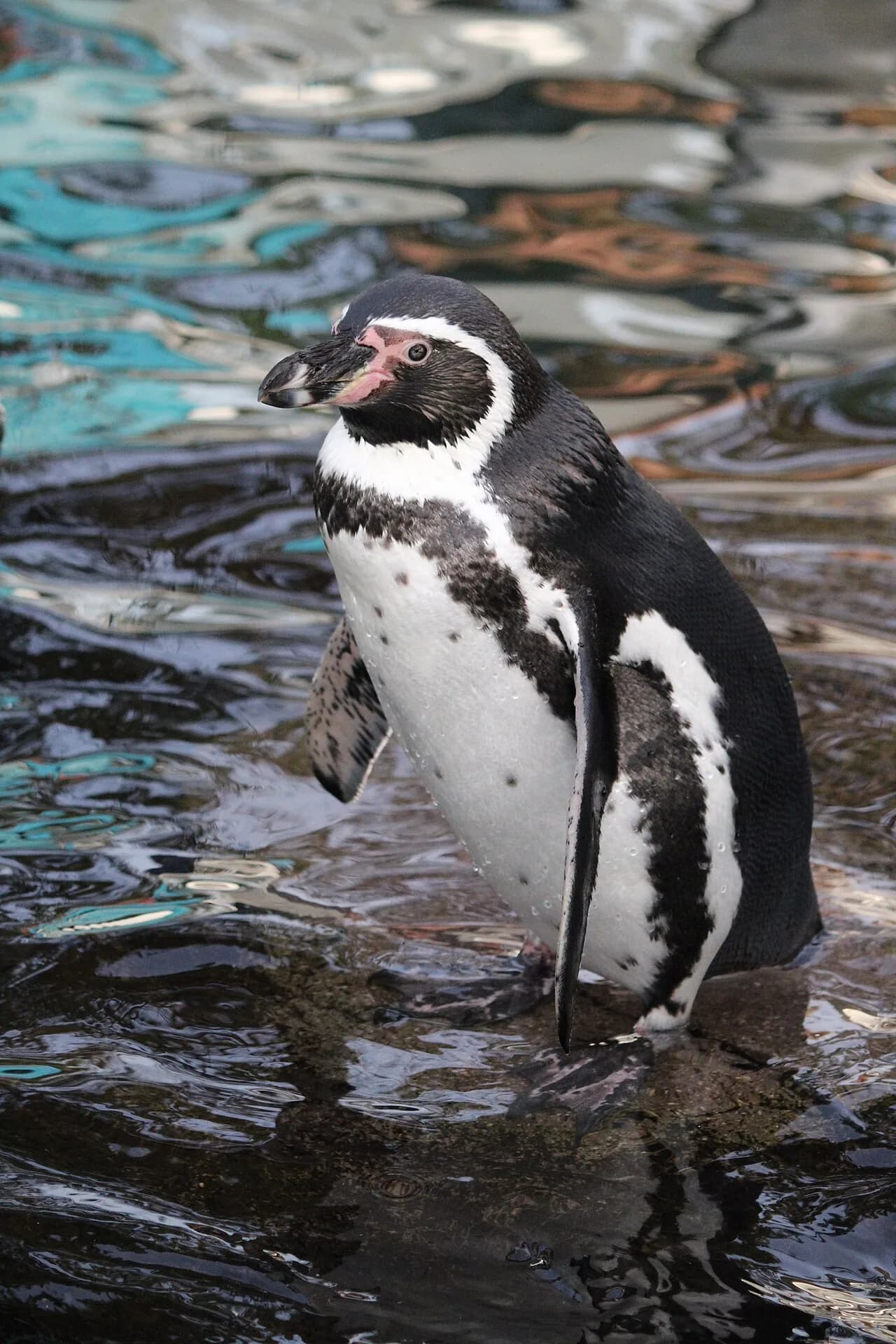
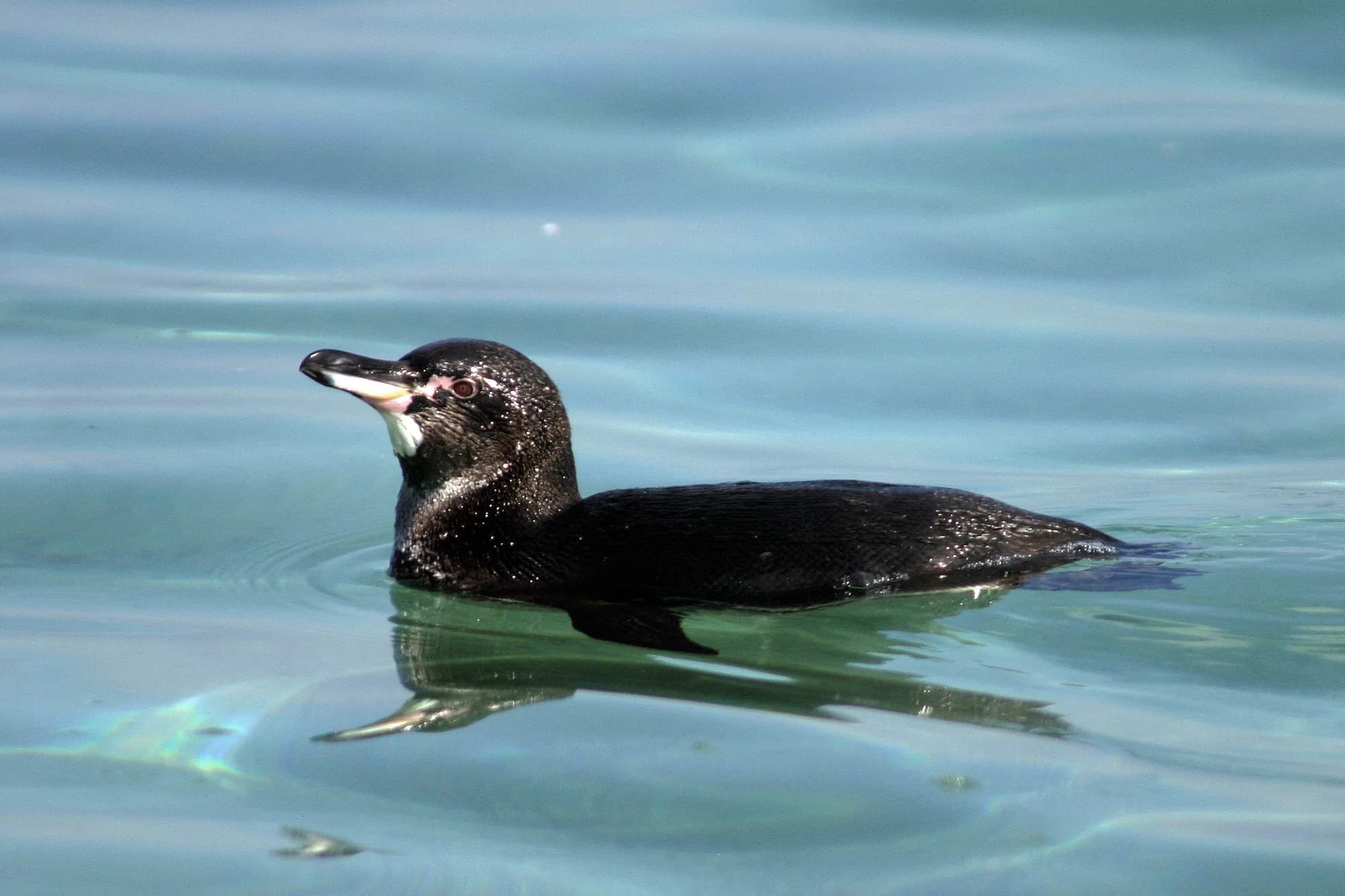
Read the full African Penguin species profile for detailed biology and habitat information. For context on how other penguins face similar pressures, see the Humboldt Penguin and Galapagos Penguin profiles. For a broader view of penguin conservation risk, see Are Penguins Endangered?.