Every penguin is a marine predator, but what each species eats depends on where it lives, how deep it dives, and what the local ocean provides. The menu splits into three main categories: krill, fish, and squid. Some species specialize. Others mix and match. In every case, diet is the thread that connects the penguin to the health of its ocean.
The Three Main Prey Types
Krill
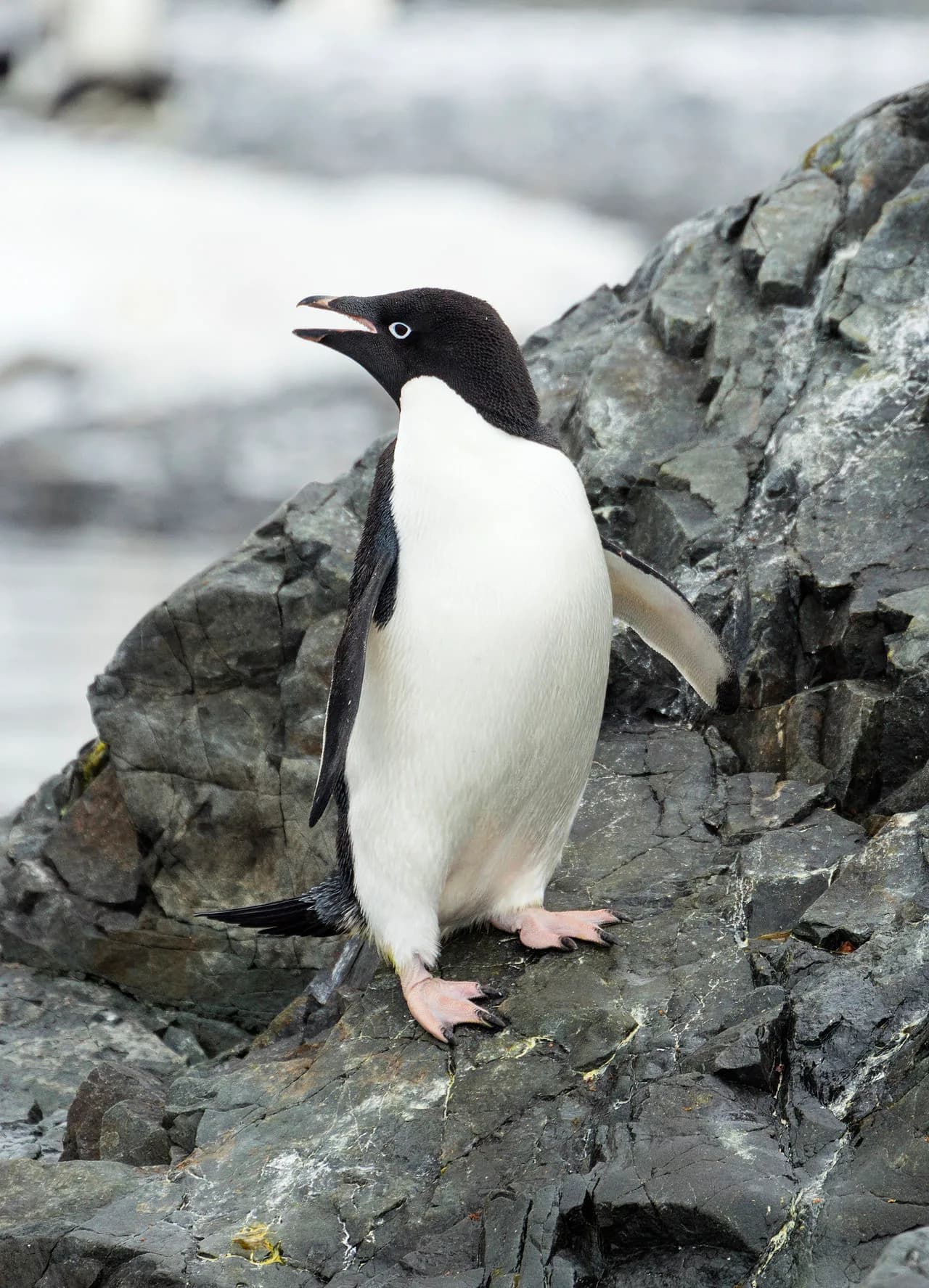
Krill are small shrimp-like crustaceans that form dense swarms in cold, nutrient-rich waters. For many Antarctic and subantarctic penguins, krill is the foundation of the diet. Adelie Penguins, Chinstrap Penguins, and Macaroni Penguins are among the most krill-dependent species.
Antarctic krill (Euphausia superba) supports not just penguins but whales, seals, and seabirds across the Southern Ocean. When krill populations decline or shift, everything that eats them feels it.
Fish
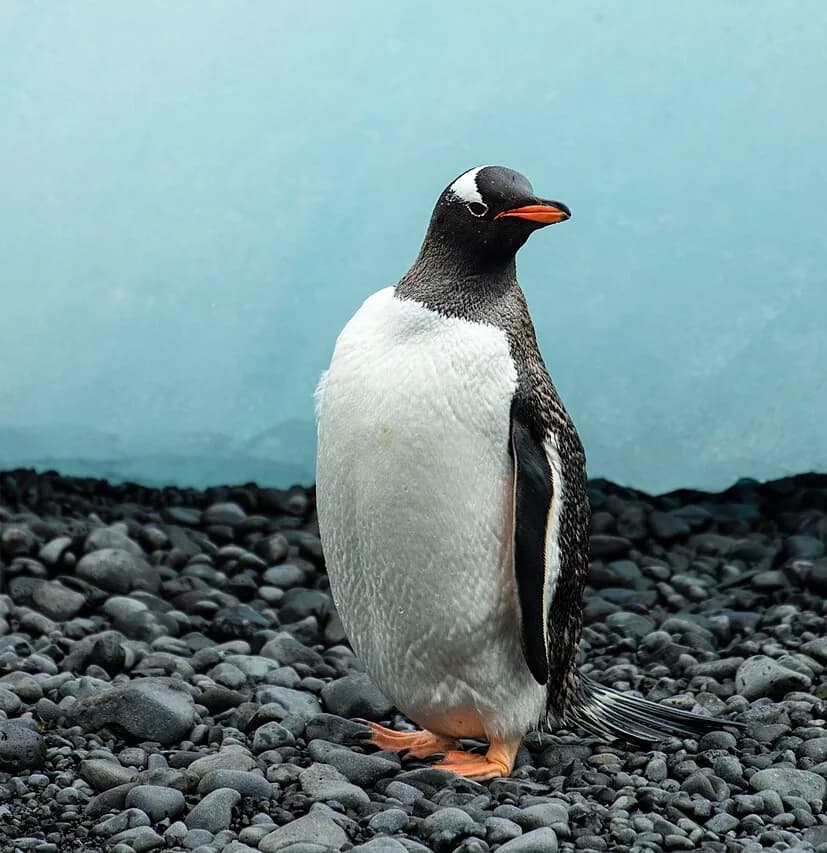
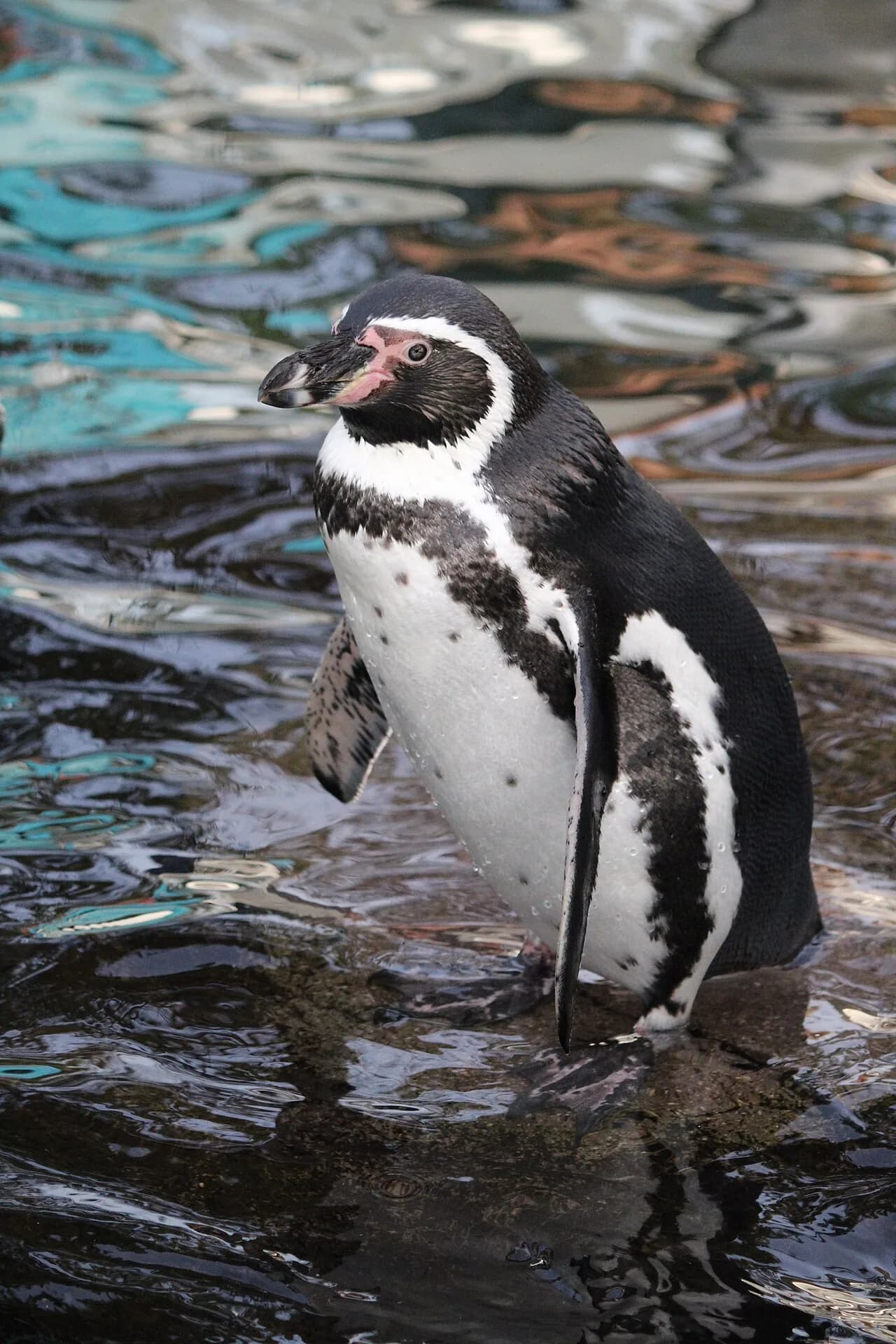
Small schooling fish, including sardines, anchovies, lanternfish, and silversides, are critical for many temperate and warm-water penguins. African Penguins depend on sardines and anchovies off the South African coast. Humboldt Penguins hunt anchovies in the productive Humboldt Current off Peru and Chile. Gentoo Penguins often take a mix of fish and crustaceans depending on local availability.
Fish-dependent penguins are often the most directly affected by commercial fishing because they compete with trawlers and purse seiners for the same prey.
Squid
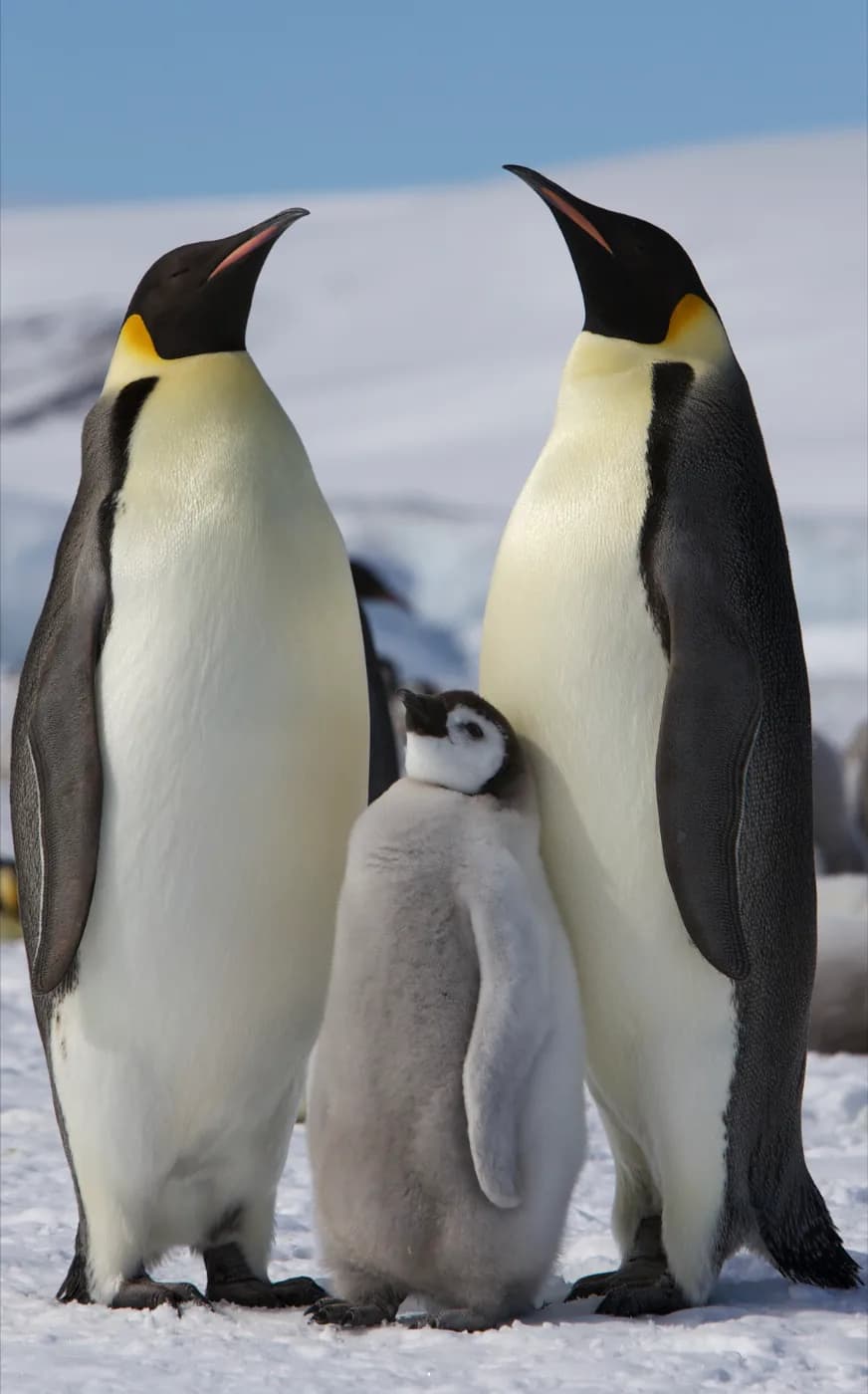
Squid appears in the diet of many penguin species, particularly those that dive deeper or forage farther offshore. Emperor Penguins and King Penguins take squid alongside fish during deep dives. For most species, squid is a supplement rather than the core diet, but it can become important when preferred prey is scarce.
Diet by Species Group
Antarctic Specialists
Adelie, Chinstrap, and Emperor Penguins breed in or near Antarctica and forage in the coldest waters. Adelies and Chinstraps eat primarily krill. Emperors, with their superior diving ability, take a more varied diet of fish, squid, and krill from deeper water.
Subantarctic and Island Species
King Penguins, Macaroni Penguins, and the rockhopper species forage in productive subantarctic waters. Kings focus on lanternfish and squid during deep dives. Macaroni Penguins consume enormous quantities of krill. Rockhopper Penguins take a mix of krill, small fish, and squid depending on what is available around their breeding islands.
Temperate Coastal Species
Little Blue Penguins, Yellow-eyed Penguins, Fiordland Penguins, and several others forage in temperate coastal waters. Their diets tend to be fish-heavy, reflecting the different prey communities found in warmer waters where krill is less dominant.
Warm-Water Species
African Penguins, Humboldt Penguins, and Galapagos Penguins depend on upwelling zones that bring cold, nutrient-rich water to the surface near their breeding colonies. Small schooling fish drive these diets almost entirely. When upwelling weakens or fish stocks collapse, these species are among the first to suffer.
Why Diet Matters for Survival
A penguin's diet is not trivia. It determines how far the bird must travel to feed, how deep it must dive, how long chicks wait between meals, and how vulnerable the colony is to fisheries or climate disruption.
Species that depend on a narrow range of prey in a specific location are the most fragile. The African Penguin's dependence on sardines and anchovies near South African breeding colonies is a clear example. When those fish move or decline, the penguins cannot simply switch to something else.
Species with more flexible diets, like the Gentoo Penguin, tend to show more resilience because they can shift between prey types as availability changes. But flexibility has limits. No penguin can thrive without accessible, abundant marine prey within reach of its colony.
How Penguins Feed
All penguins catch prey underwater by pursuit diving. They swim after individual prey items or move through swarms and schools, snatching food with their beaks. Backward-facing spines on the tongue and palate help grip slippery prey.
Dive depth and duration vary enormously. Little Blue Penguins forage in shallow coastal waters at depths of 5 to 30 meters. Emperor Penguins can dive beyond 500 meters and stay under for over 20 minutes. The dive profile reflects what the bird needs to reach and how much oxygen it can carry.
Key Takeaways
- Penguins eat krill, fish, and squid, with the mix depending on species, location, and ocean conditions.
- Antarctic species tend to be krill-dependent; temperate and warm-water species lean more heavily on fish.
- Diet determines foraging range, dive depth, breeding success, and vulnerability to fisheries and climate change.
- Flexible feeders like Gentoo Penguins show more resilience than specialists tied to a single prey source.
- Protecting the prey base near breeding colonies is one of the most important conservation levers for penguins.
Where to Go Next
To see how diet connects to specific species, visit the Adelie Penguin, Emperor Penguin, or African Penguin profiles. For a broader look at what drives penguin survival, browse the species directory or use the comparison tool to see diet differences between any two species.