The question "are penguins endangered?" does not have a single answer because the 19 living penguin species span the full range of conservation risk. Some are abundant and stable. Others are in steep decline. A few are approaching the threshold where recovery becomes extremely difficult. Here is the breakdown.
The Conservation Status Spectrum
The International Union for Conservation of Nature (IUCN) assigns each species a conservation status based on population size, rate of decline, range, and other factors. Among penguins, the current distribution looks like this:
Least Concern (5 species)
These species have large or stable populations and wide ranges. They include the Adelie Penguin, Chinstrap Penguin, Gentoo Penguin, King Penguin, and Little Blue Penguin. "Least Concern" does not mean safe from all threats. Some Chinstrap populations have declined significantly. But at the species level, these birds are not yet facing extinction risk.
Near Threatened (2 species)
The Emperor Penguin and Magellanic Penguin sit in this category. Emperor Penguins are near threatened primarily because of projected sea ice loss. Magellanic Penguins face fisheries pressure, oil pollution, and climate-driven prey shifts along the South American coast.
Vulnerable (5 species)
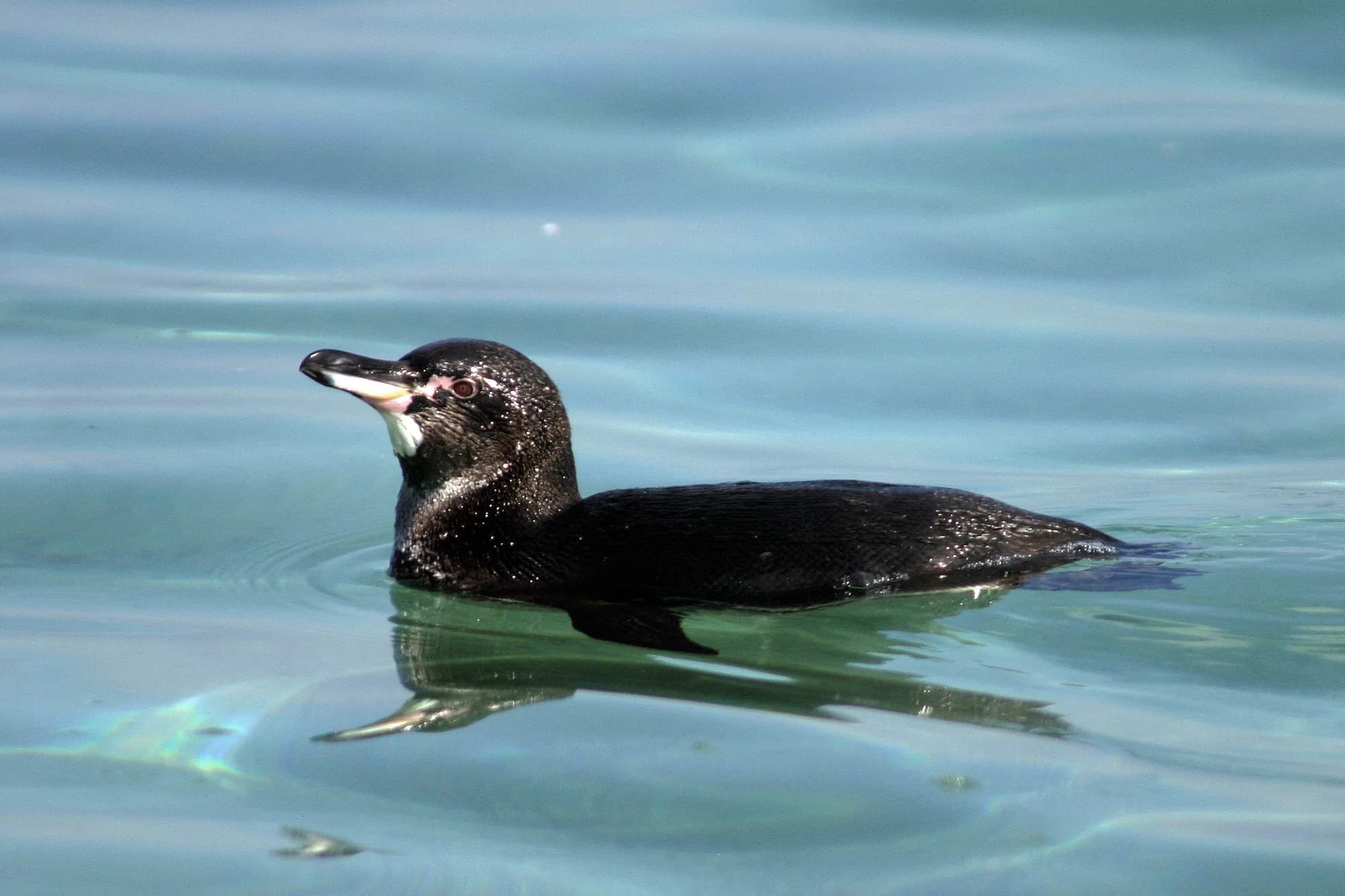
Five species are classified as Vulnerable, meaning they face a high risk of extinction in the wild if current trends continue. This group includes the Humboldt Penguin, Macaroni Penguin, Royal Penguin, Snares Penguin, and Southern Rockhopper Penguin. Threats range from fisheries competition to introduced predators to ocean warming.
Endangered (5 species)
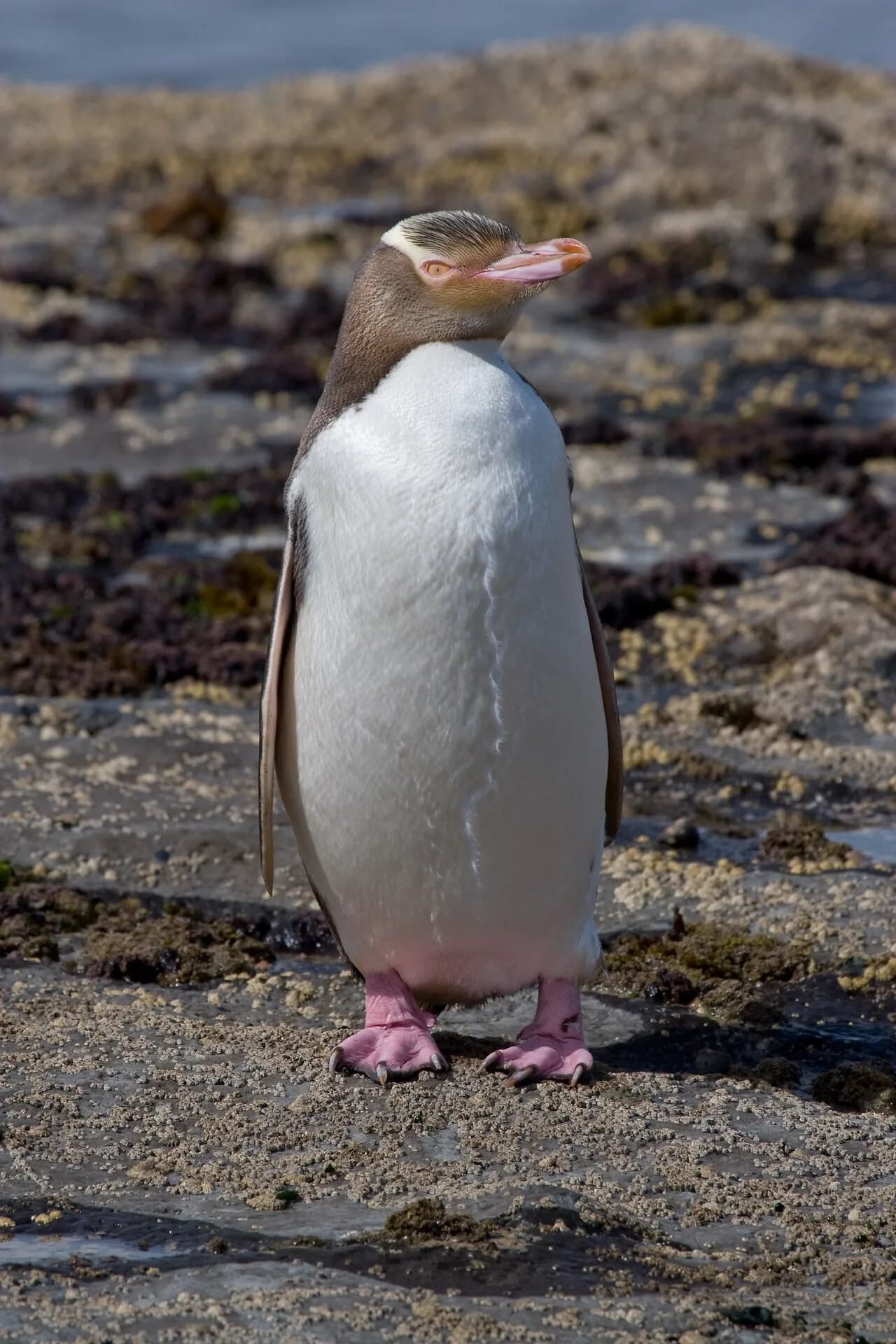
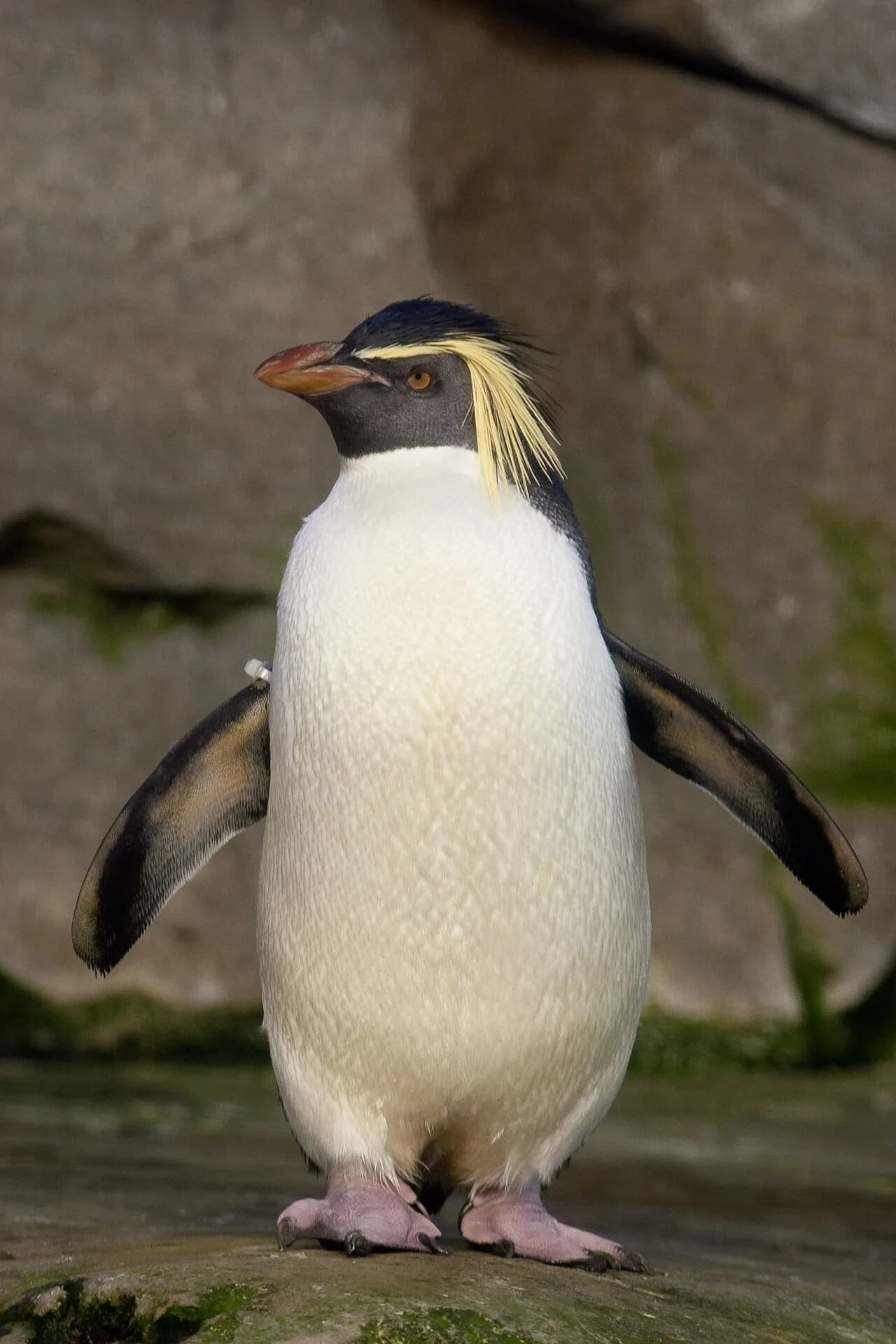
Five species are Endangered, facing a very high risk of extinction. This includes the Northern Rockhopper Penguin, Erect-crested Penguin, Fiordland Penguin, Yellow-eyed Penguin, and the Eastern Rockhopper Penguin. The Northern Rockhopper has lost roughly 90 percent of its population over recent decades.
Critically Endangered (1 species)
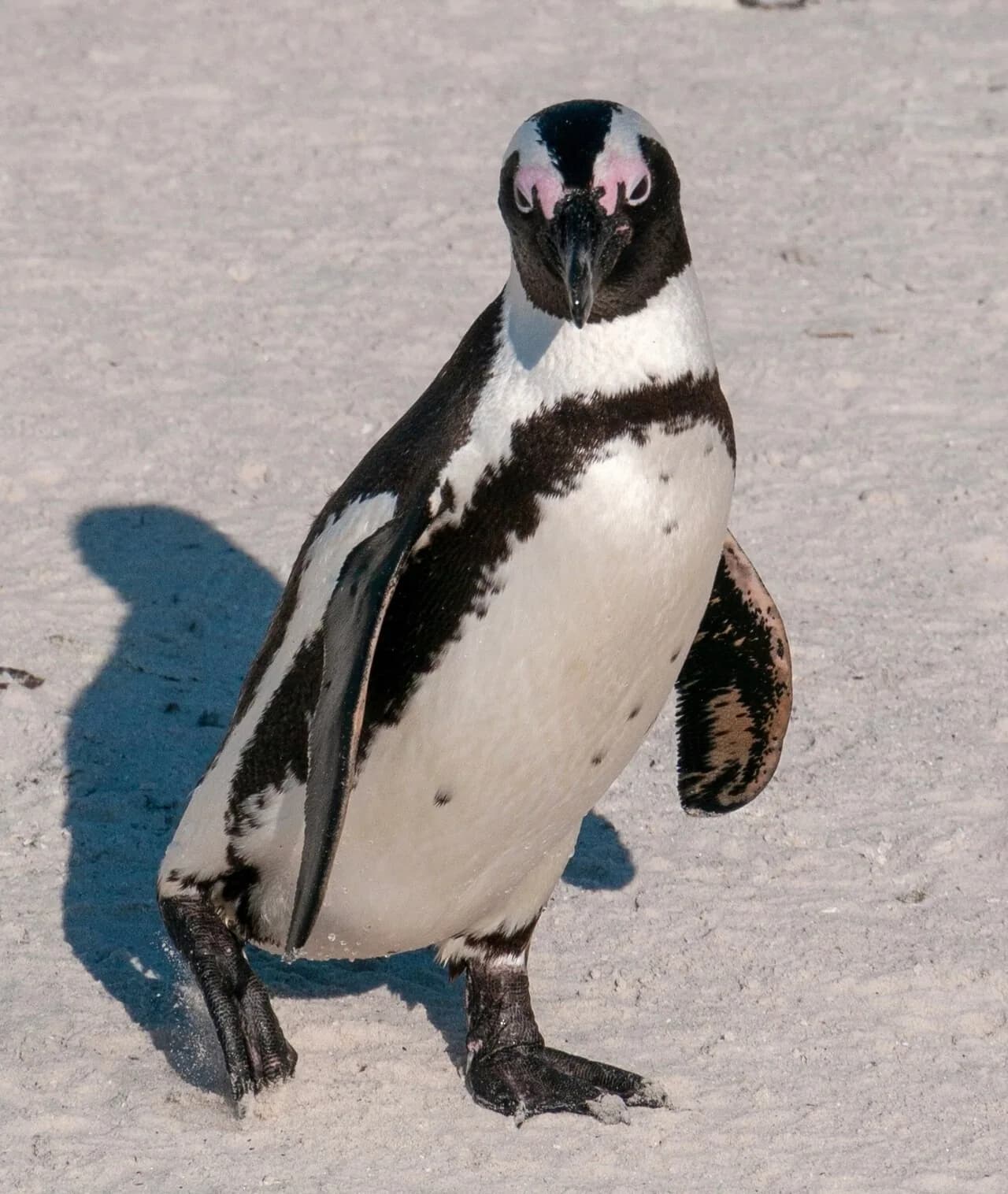
The African Penguin is the only penguin species currently classified as Critically Endangered. Its population has dropped over 97 percent since the early 1900s due to fisheries competition, historical egg collection, oil pollution, and predation. Without intervention, it faces functional extinction in the wild within decades.
Common Threats Across Species
While each species faces a unique combination of pressures, several threats recur across the penguin family.
Fisheries Competition
Many penguin species depend on the same small schooling fish and krill that commercial fisheries target. When fishing reduces prey availability near breeding colonies, penguins must travel farther for food, which reduces breeding success and chick survival.
Climate Change
Rising ocean temperatures, shifting currents, and changing sea ice patterns affect prey distribution and breeding habitat. Antarctic species face sea ice loss. Temperate and tropical species face marine heat waves that displace prey.
Introduced Predators
On many breeding islands, introduced mammals such as rats, cats, stoats, and ferrets kill eggs, chicks, and sometimes adults. Predator control and eradication programs have produced dramatic improvements where implemented.
Oil Pollution
Penguins that live near shipping lanes or oil infrastructure are vulnerable to spills. Even small amounts of oil can destroy feather waterproofing, leading to hypothermia and death.
Habitat Loss
Coastal development, tourism pressure, and loss of nesting substrate affect species that breed near human populations, particularly the African Penguin and several New Zealand species.
The Big Picture
Of the 19 living penguin species we profile, 12 are classified as Vulnerable, Endangered, or Critically Endangered. That means roughly 63 percent of penguin species face elevated extinction risk — a figure that rose in April 2026 when the IUCN moved the emperor penguin from Near Threatened to Endangered. The overall trajectory for penguins as a family is concerning, even though some individual species remain numerous.
The species in the most urgent trouble tend to share certain features: restricted breeding ranges, dependence on specific prey, proximity to human pressures, and limited ability to relocate when conditions change.
Key Takeaways
- Not all penguins are endangered, but roughly 63 percent of species face elevated conservation risk.
- The African Penguin is the only Critically Endangered species, while five species are Endangered and five are Vulnerable.
- Major threats include fisheries competition, climate change, introduced predators, oil pollution, and habitat loss.
- Conservation status is not permanent. Species can move up or down the risk scale as conditions and interventions change.
- The most effective interventions tend to combine marine protection, predator control, and reduced fisheries pressure near breeding colonies.
Where to Go Next
For a deep dive into the most at-risk species, read Why Are African Penguins Critically Endangered?. To explore all 19 species individually, visit the species directory. For species comparisons by conservation status, use the conservation status hub.