
Eudyptes Penguins
8 penguin species sit in genus Eudyptes, including Eastern Rockhopper Penguin, Erect-crested Penguin, Fiordland Penguin, and 5 more. Largest: Macaroni Penguin. Under most pressure: Erect-crested Penguin (Endangered). The useful question is which body plan and breeding logic they still share.
Eudyptes is the crested penguin genus, known for bold yellow head plumes, rocky breeding terrain, and several species with notable conservation concern. Macaroni Penguin (to 77 cm) shows the biggest expression of the plan; Erect-crested Penguin (Endangered) shows where the same lineage is thinnest.
Species in lens
8
By genus
Size span
55–77 cm
Western Rockhopper Penguin → Macaroni Penguin
Highest risk in view
Erect-crested Penguin
Endangered
Species in this lens
Eudyptes is the crested penguin genus, known for bold yellow head plumes, rocky breeding terrain, and several species with notable conservation concern.
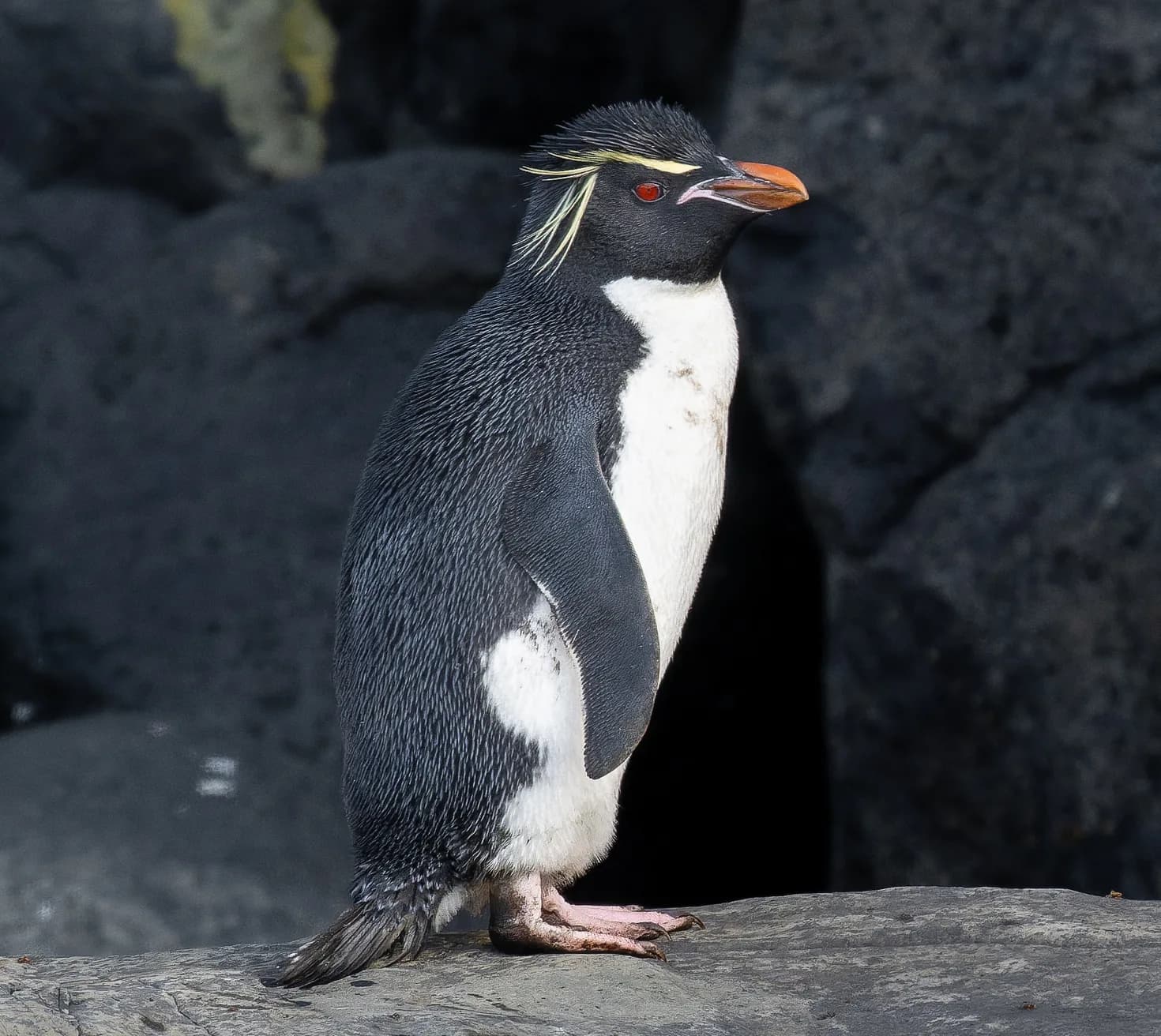
Eastern Rockhopper Penguin
Eudyptes filholi
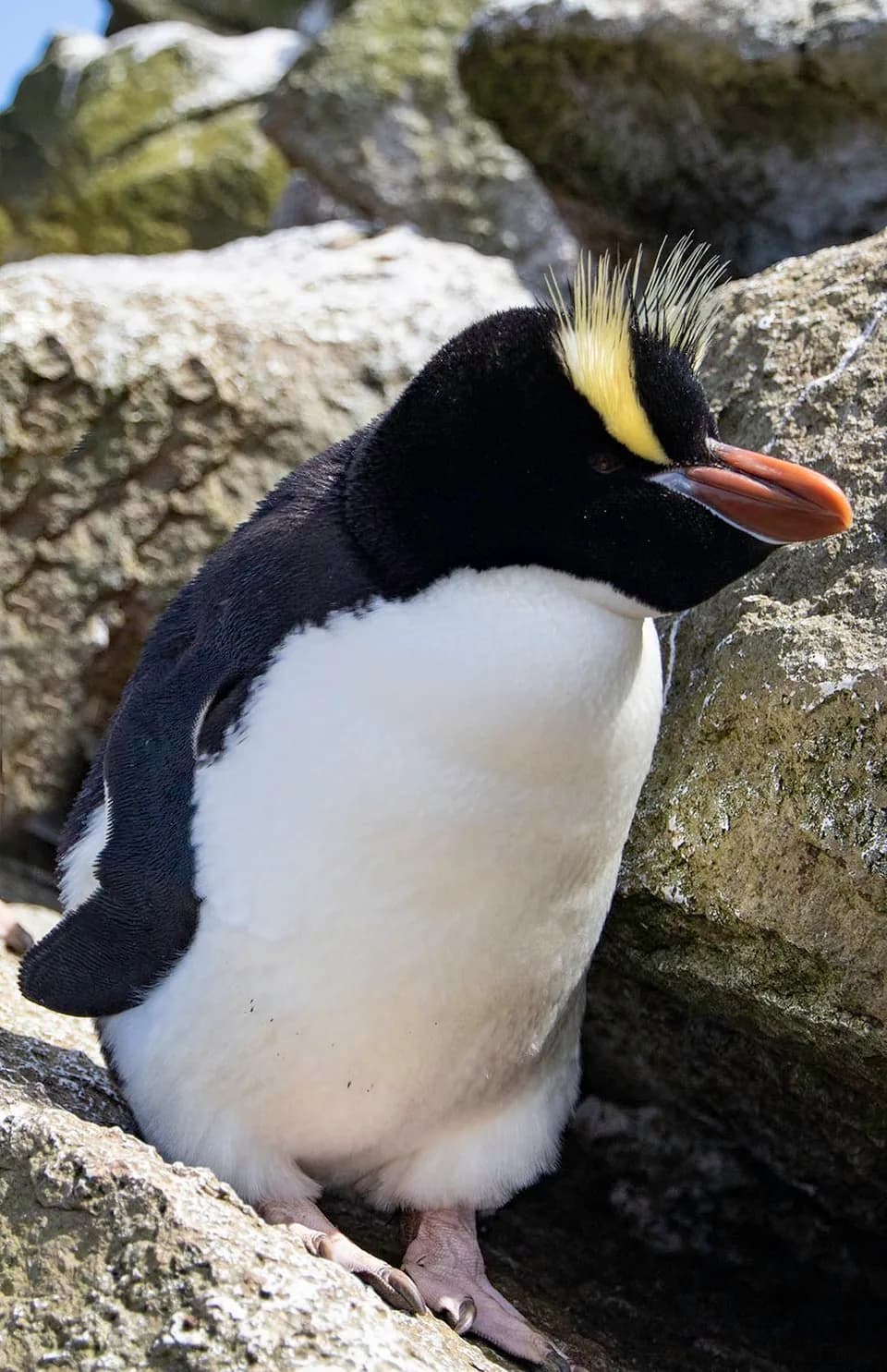
Erect-crested Penguin
Eudyptes sclateri
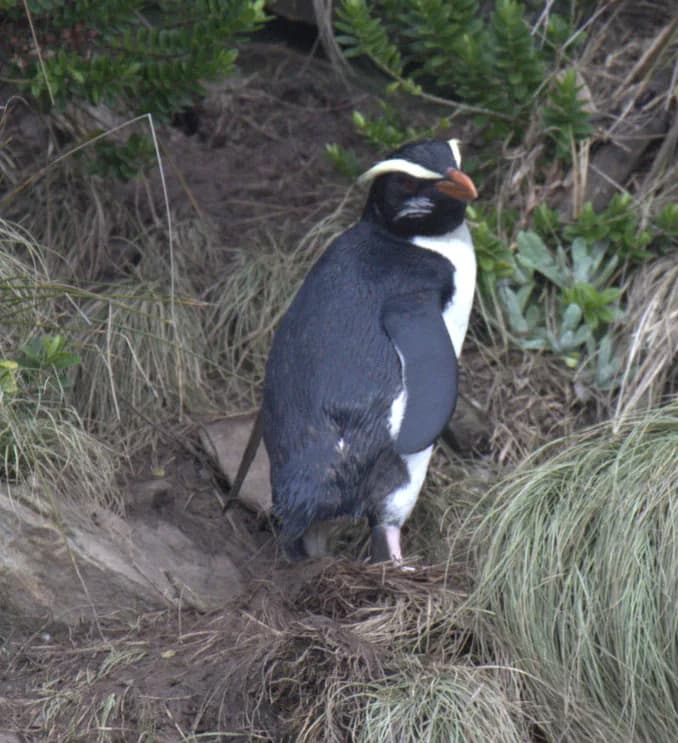
Fiordland Penguin
Eudyptes pachyrhynchus
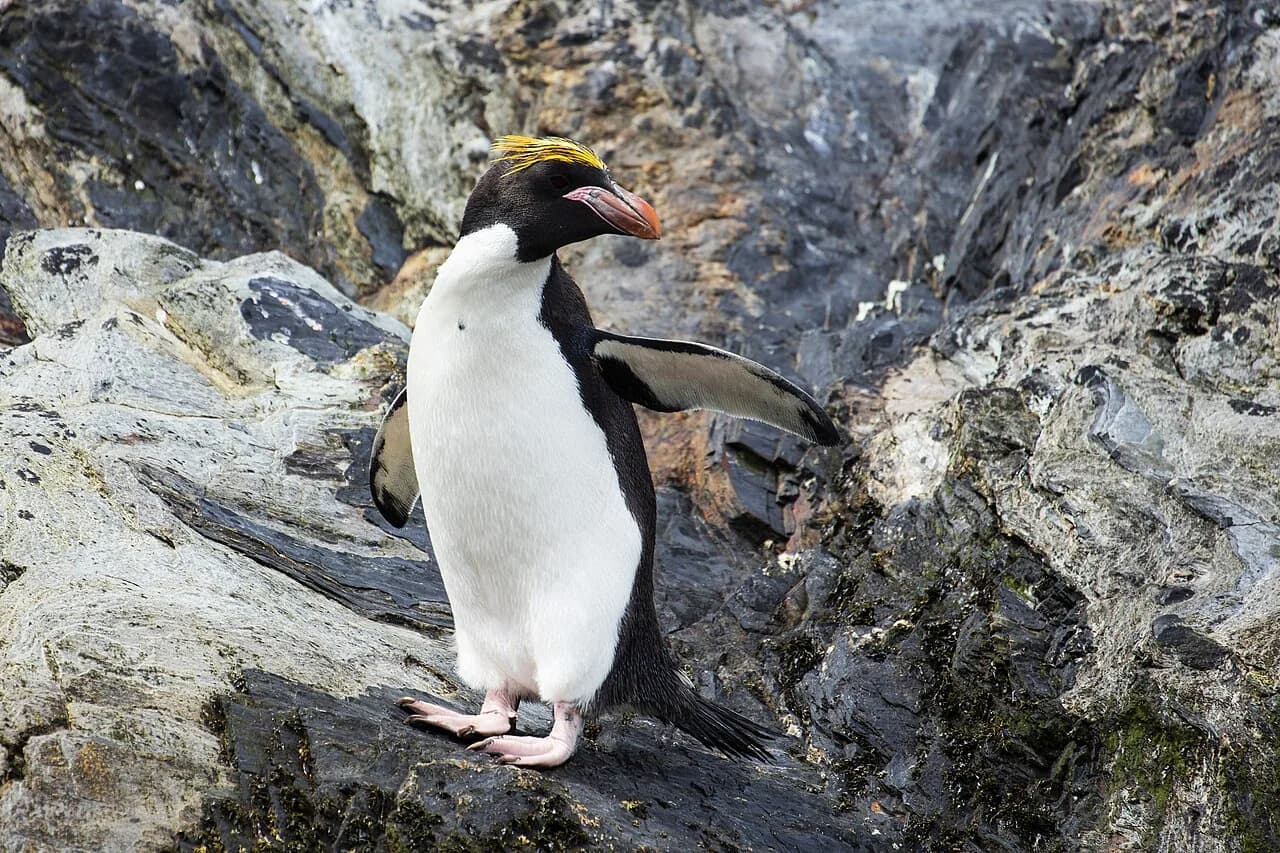
Macaroni Penguin
Eudyptes chrysolophus
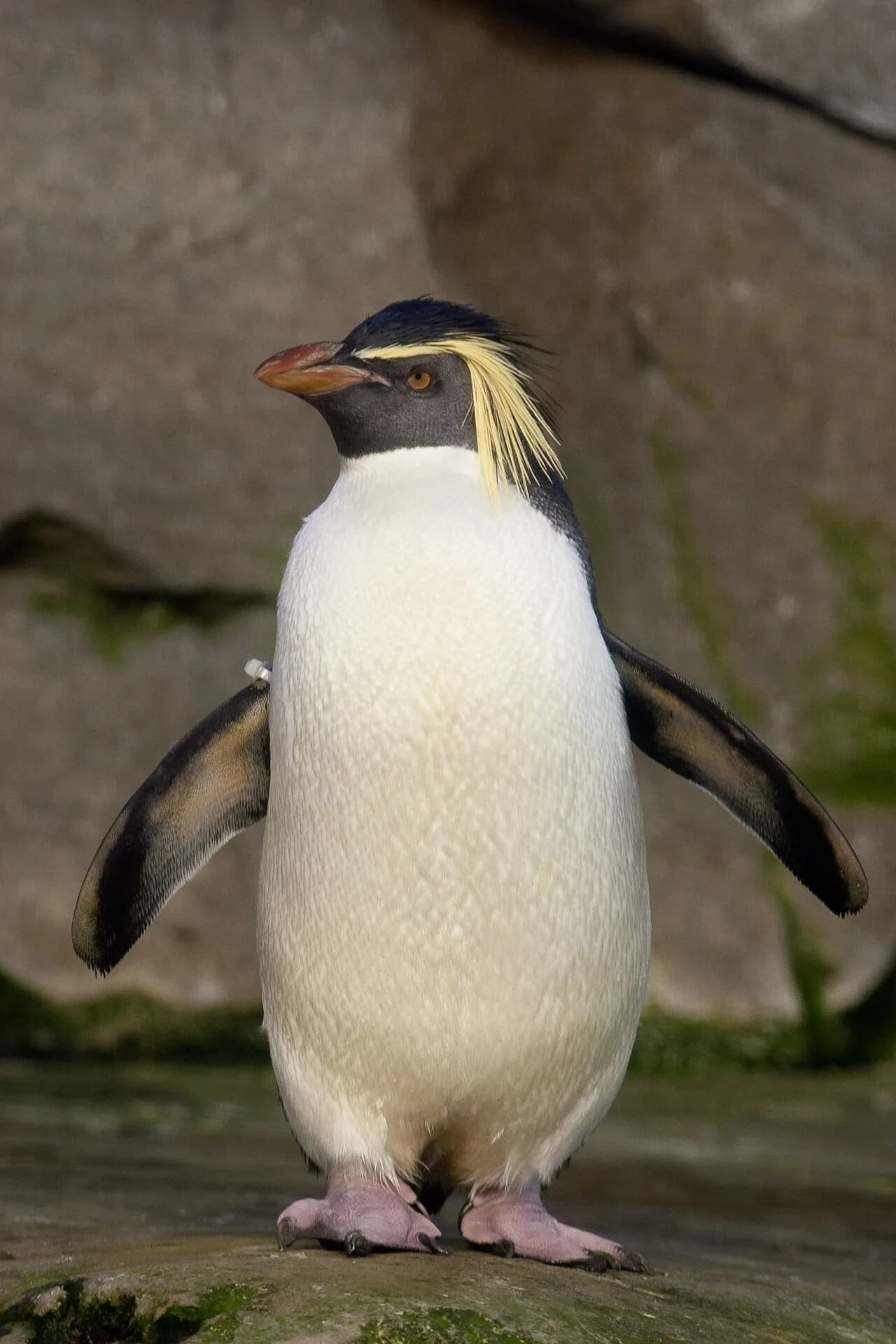
Northern Rockhopper Penguin
Eudyptes moseleyi
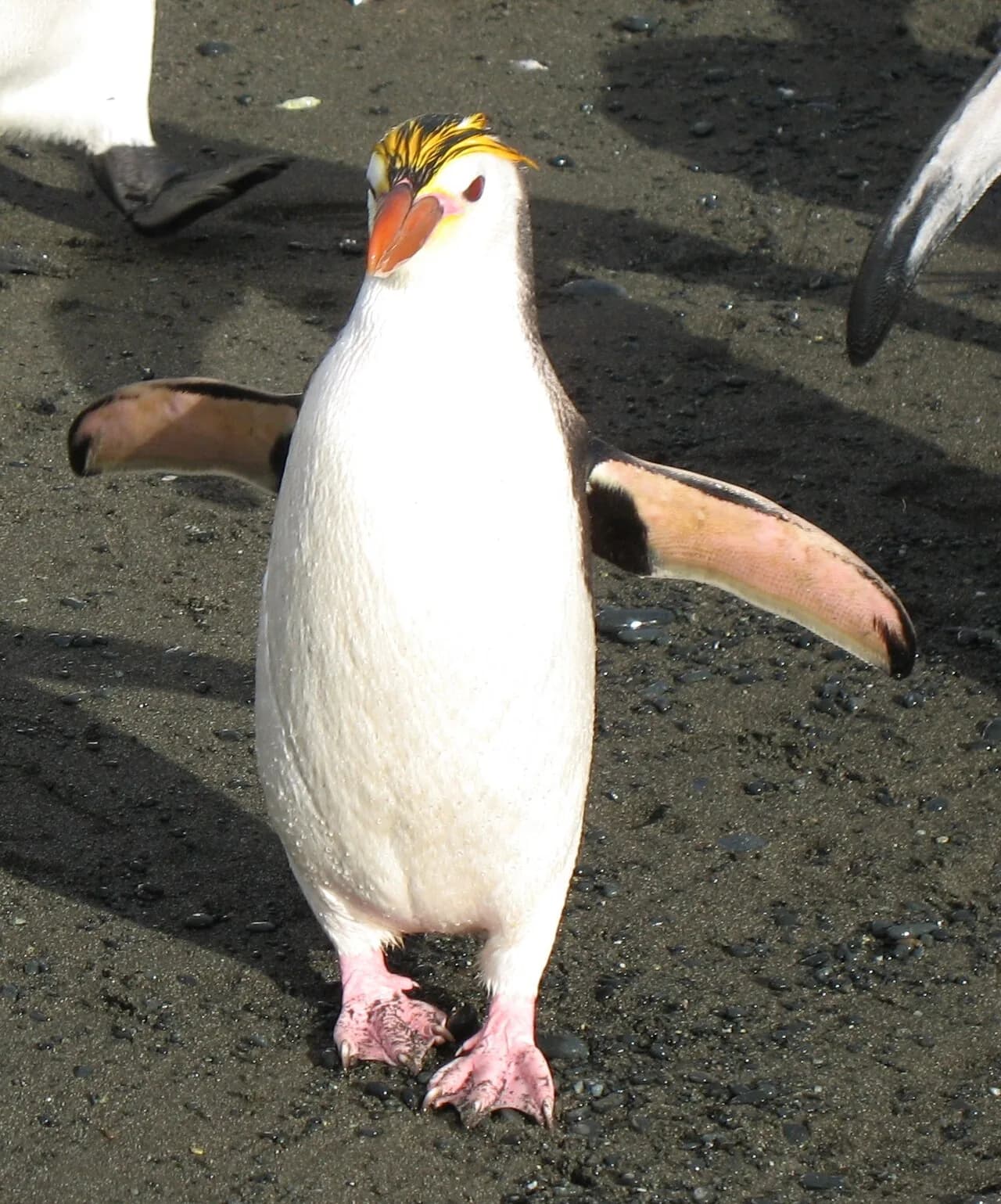
Royal Penguin
Eudyptes schlegeli
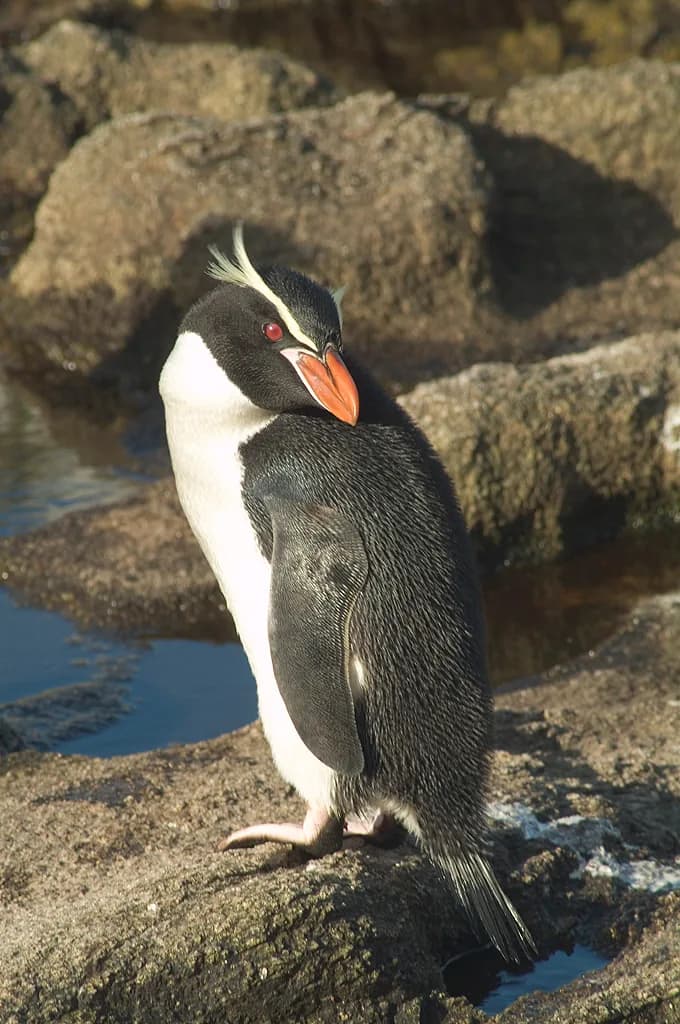
Snares Penguin
Eudyptes robustus
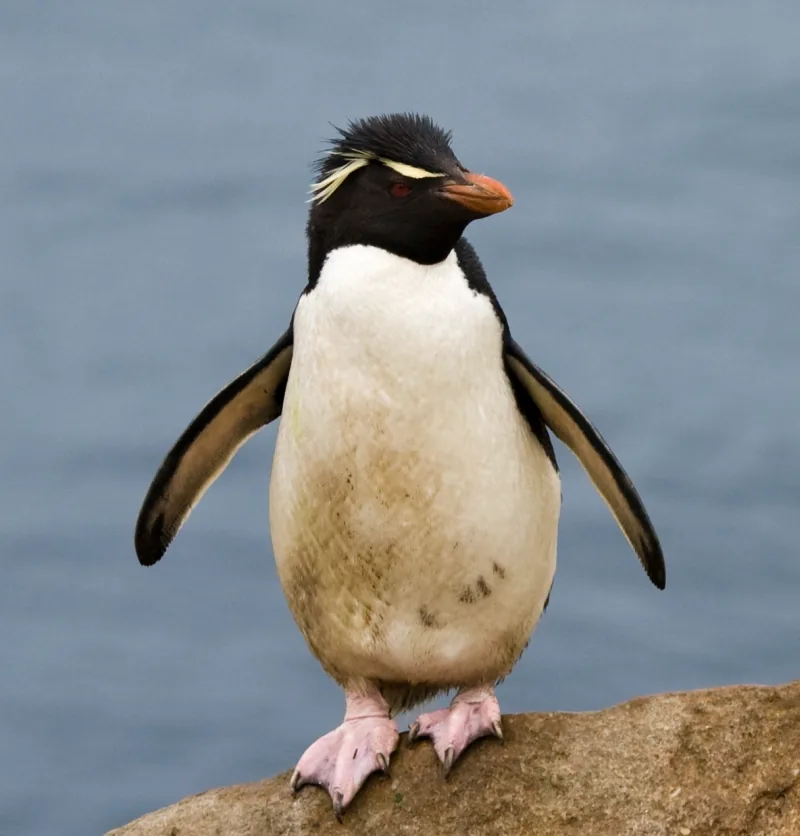
Western Rockhopper Penguin
Eudyptes chrysocome
What this view reveals
- 8 penguin species are grouped by this genus view.
- Macaroni Penguin is the largest here (to 77 cm).
- Erect-crested Penguin carries the highest listed risk (Endangered).
- Shared genus Eudyptes explains design; place and prey explain divergence.
Compare inside this lens
Read next
All guidesWhy Rockhopper Penguins Hop
The survival logic behind the most ridiculous-looking penguin gait, and why hopping is exactly right for cliffs, boulders, and surf-cut colonies.
Open guideHow Many Penguin Species Are There?
A field-guide answer to the living penguin count, why many lists say 18, and why Penguin Place profiles 19 after the rockhopper split.
Open guideUnderstanding Eudyptes Penguins
Genus Eudyptes holds 8 species here: Eastern Rockhopper Penguin, Erect-crested Penguin, Fiordland Penguin, Macaroni Penguin, Northern Rockhopper Penguin, Royal Penguin, Snares Penguin, and Western Rockhopper Penguin. Shared ancestry shows up as related body plans and physiology, not identical lives. Eudyptes is the crested penguin genus, known for bold yellow head plumes, rocky breeding terrain, and several species with notable conservation concern.
Size span runs from Western Rockhopper Penguin (to 55 cm) to Macaroni Penguin (to 77 cm). That stretch rearranges fasting capacity, dive physics, and how expensive a failed breeding year becomes.
Diet across the genus centres on krill, squid and octopus, fish, and crustaceans, with different depths and seasons. Geography covers Campbell Islands, Antipodes Islands, Crozet Islands, Kerguelen Islands, and Heard Island. Same toolkit, different oceans.
IUCN labels inside the genus: Vulnerable, Endangered, and Near Threatened. Erect-crested Penguin sits highest on the risk ladder (Endangered). Signature pressure points: Macaroni Penguin — “Macaroni Penguins may be among the most numerous penguins on Earth, which makes them dangerous to underestimate. A giant population can still be living on borrowed ecological luck.” Erect-crested Penguin — “Erect-crested Penguins are the awkward question in penguin reproduction: why lay a first egg you almost never raise.”
Frequently asked questions
Which penguins belong to the genus Eudyptes?
Eastern Rockhopper Penguin, Erect-crested Penguin, Fiordland Penguin, Macaroni Penguin, Northern Rockhopper Penguin, Royal Penguin, Snares Penguin, and Western Rockhopper Penguin all sit in Eudyptes. They share part of an evolutionary frame even when lifestyles diverge.
What is the largest Eudyptes penguin?
Macaroni Penguin is the largest here, reaching up to 77 cm (smallest end: Western Rockhopper Penguin at 55 cm).
Which Eudyptes penguin is most threatened?
Erect-crested Penguin currently carries the highest conservation status in this genus group: Endangered.