
Least Concern Penguins
6 penguin species are currently classed as least Concern, including Adelie Penguin, Chinstrap Penguin, Gentoo Penguin, and 3 more. The label is the danger band — not a single villain shared by every bird.
Least Concern penguins are not currently at the highest risk of extinction, but they still depend on stable ocean food webs and protected breeding habitat. These 6 birds do not share one villain. They share a narrowed margin — from Little Blue Penguin to King Penguin in size, and from different oceans in cause.
Species in lens
6
By status
Size span
33–95 cm
Little Blue Penguin → King Penguin
Highest risk in view
Adelie Penguin
Least Concern
Species in this lens
Least Concern penguins are not currently at the highest risk of extinction, but they still depend on stable ocean food webs and protected breeding habitat.
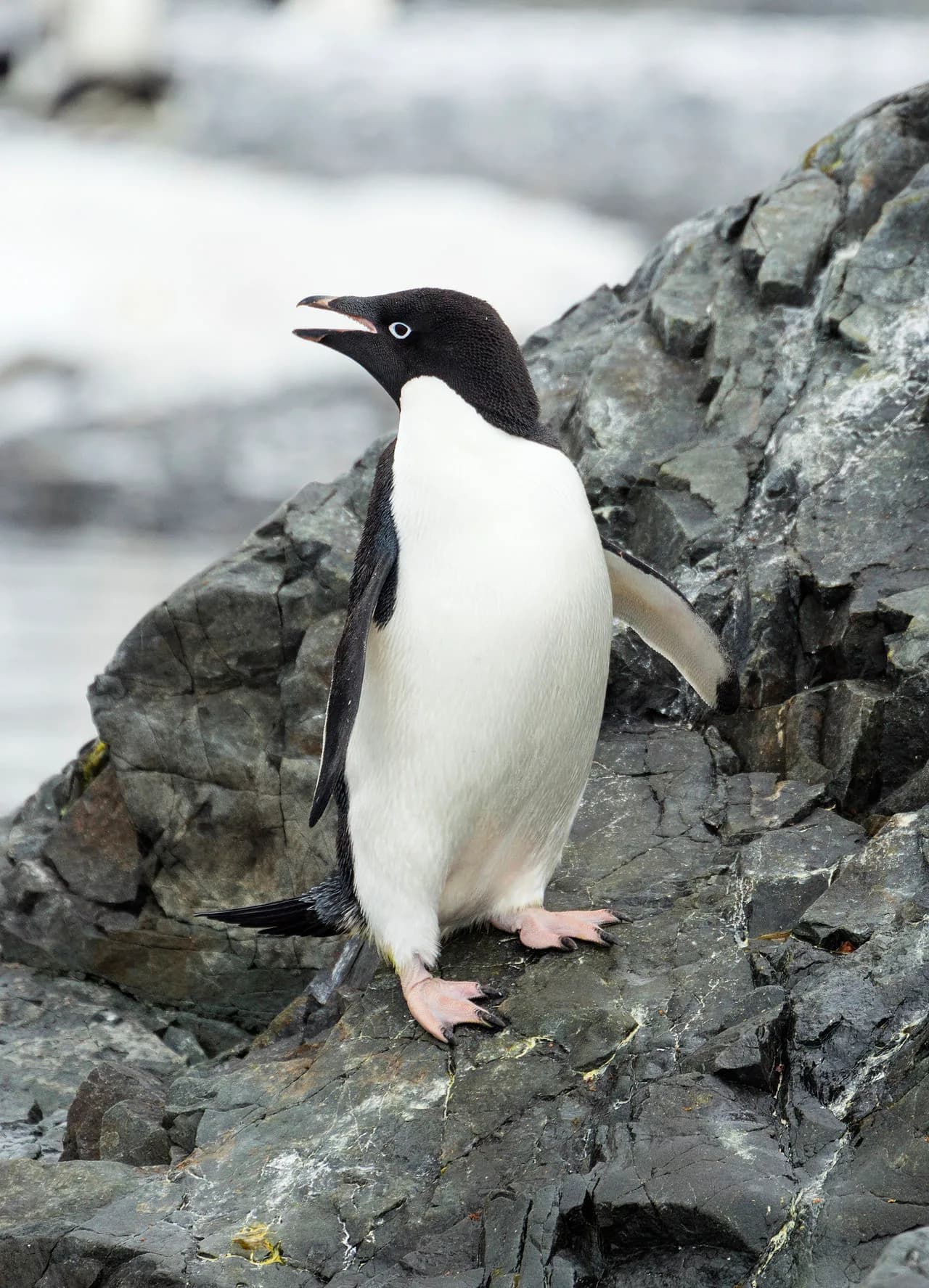
Adelie Penguin
Pygoscelis adeliae
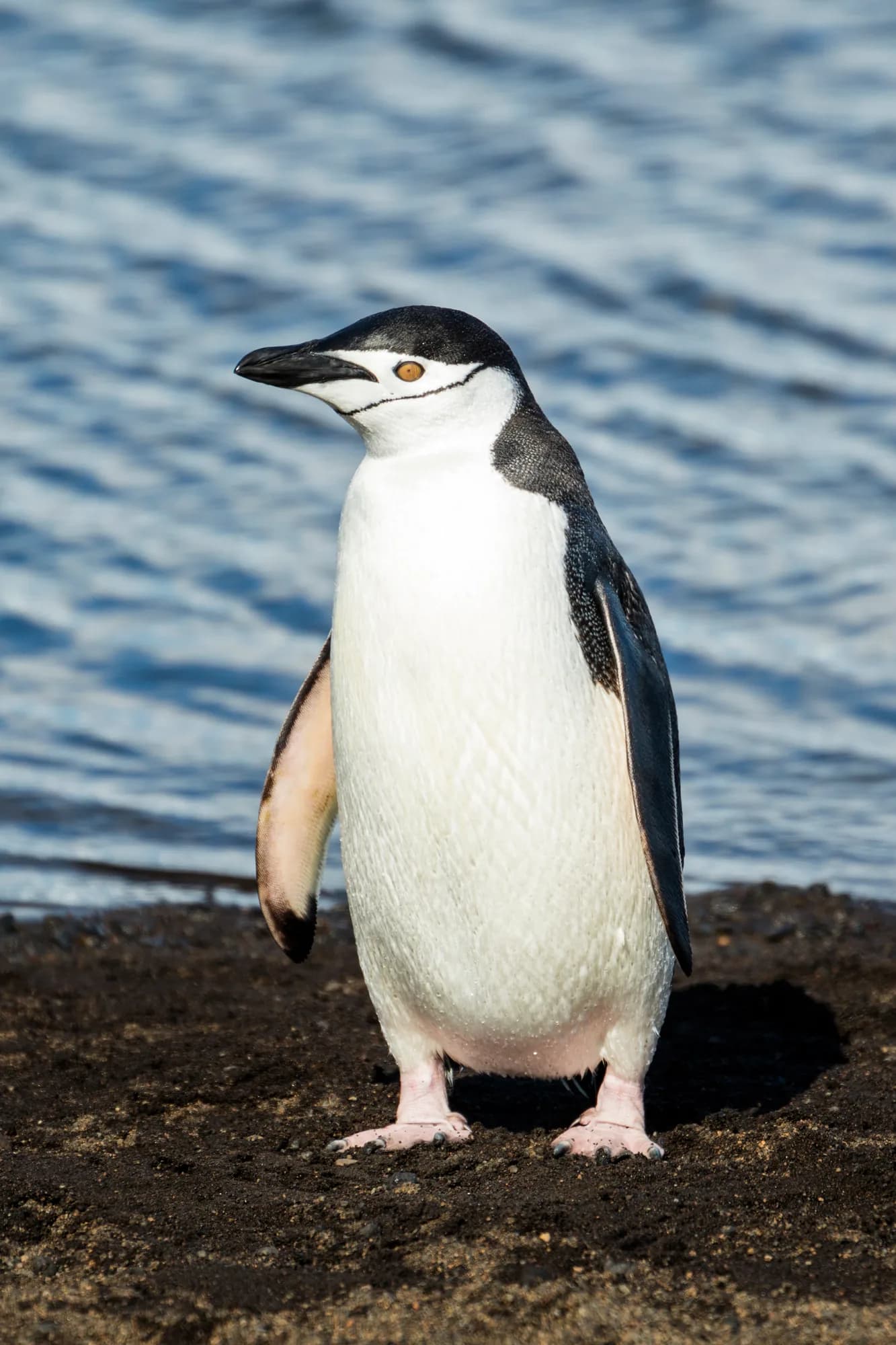
Chinstrap Penguin
Pygoscelis antarcticus
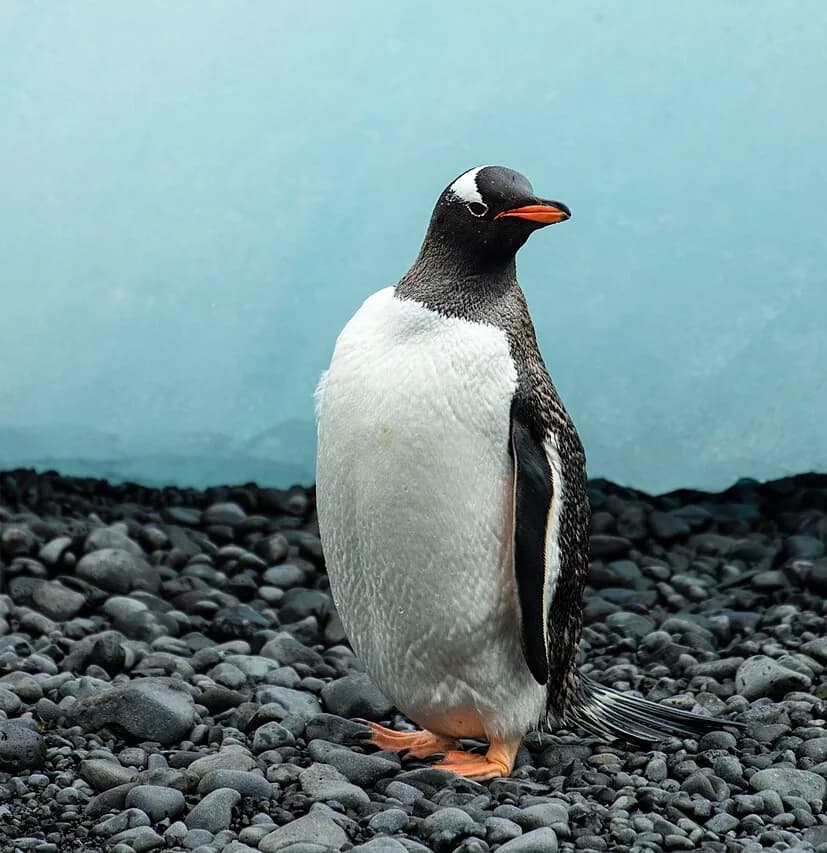
Gentoo Penguin
Pygoscelis papua
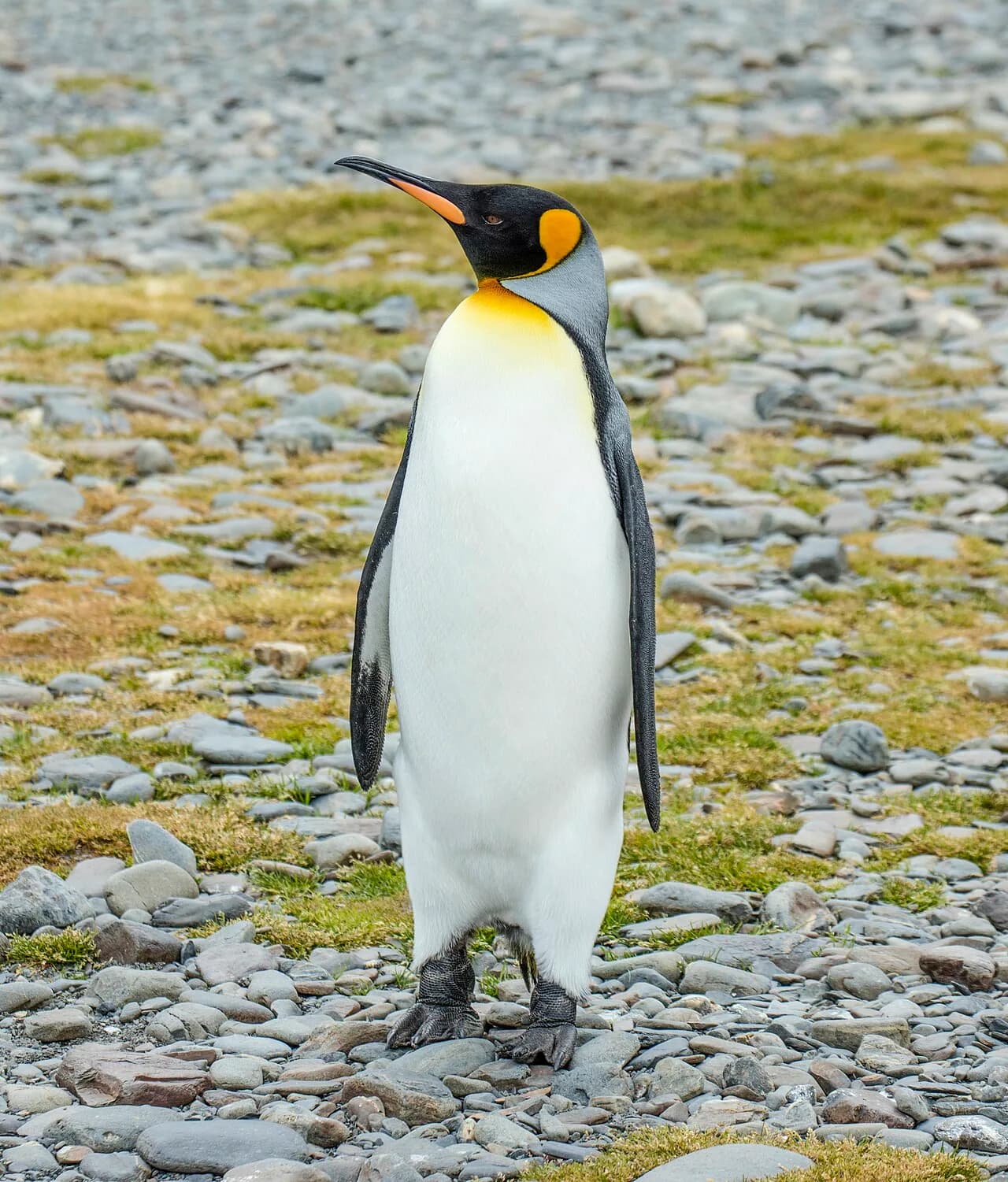
King Penguin
Aptenodytes patagonicus
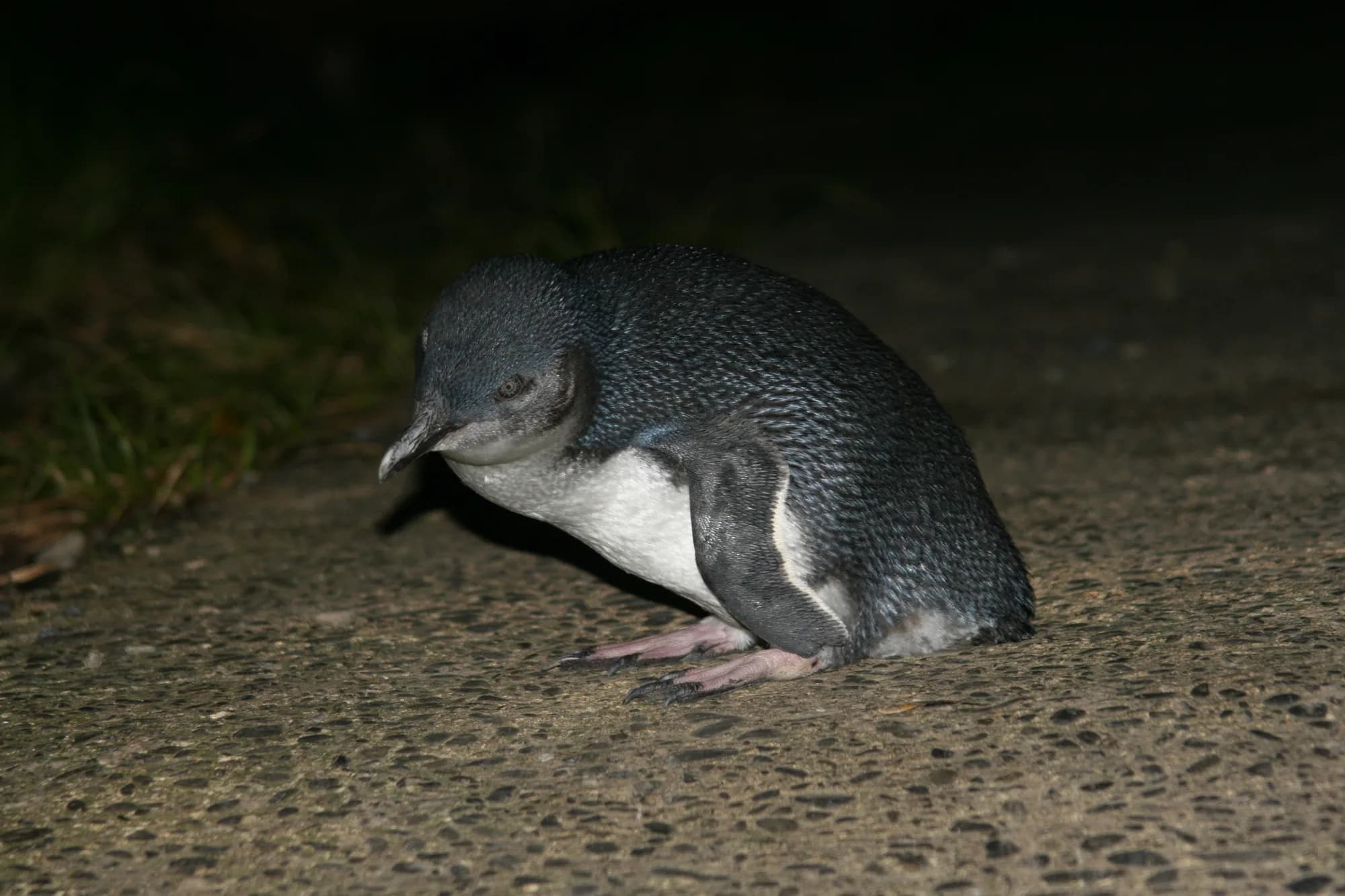
Little Blue Penguin
Eudyptula minor
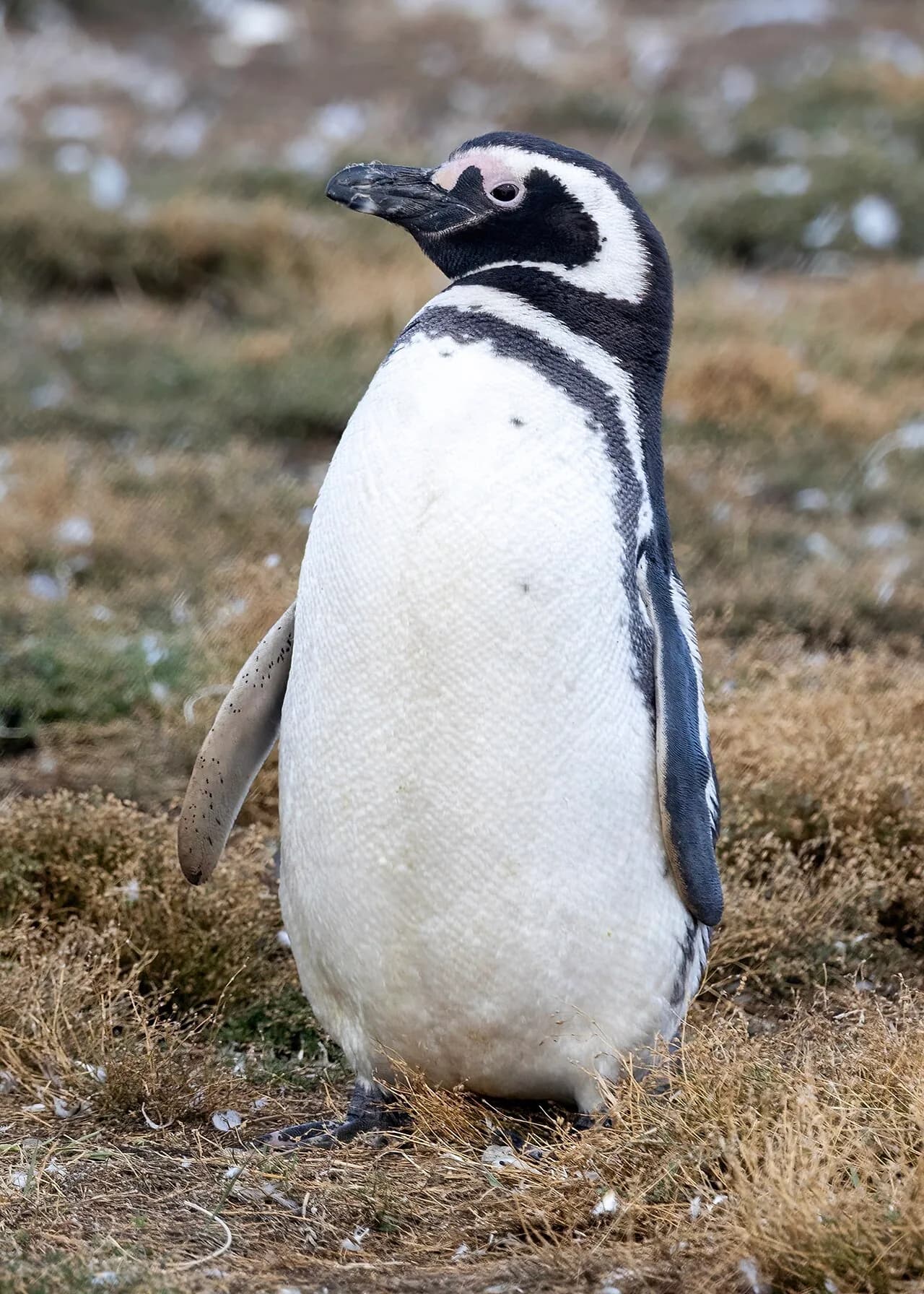
Magellanic Penguin
Spheniscus magellanicus
What this view reveals
- 6 penguin species are grouped by this status view.
- King Penguin is the largest here (to 95 cm).
- Adelie Penguin carries the highest listed risk (Least Concern).
- Shared IUCN band Least Concern is not a shared cause list.
Compare inside this lens
Read next
All guidesHow Many Penguin Species Are There?
A field-guide answer to the living penguin count, why many lists say 18, and why Penguin Place profiles 19 after the rockhopper split.
Open guideLongest-Living Penguins
Which penguins live the longest in the wild, and why lifespan is tied to body size, breeding speed, and exposure to bad years.
Open guideUnderstanding Least Concern Penguins
6 penguin species are listed as Least Concern: Adelie Penguin, Chinstrap Penguin, Gentoo Penguin, King Penguin, Little Blue Penguin, and Magellanic Penguin. The shared band is risk class, not a shared threat story. Climate, fisheries, introduced predators, and nesting habitat can load in different mixes.
Size here runs Little Blue Penguin (33 cm) to King Penguin (95 cm). Habitats include Antarctic coastline, rocky coastlines, Antarctic Peninsula, and Sub-Antarctic islands; prey includes krill, fish, squid and octopus, and crustaceans. One conservation recipe will not fit all of them.
Reported population trends in this band include mixed, decreasing, increasing, and stable. Trend and status are related but not the same signal — a bird can sit in a high category while another with a softer label is already sliding.
Signature pressure points: King Penguin — “King Penguins win by stretching parenthood almost absurdly long. Their chicks survive because the species is built around endurance, not speed.” Adelie Penguin — “Adelies look like the default penguin in a field guide, but they are really a climate instrument with feathers. They show you when sea ice and krill stop lining up.”
Frequently asked questions
Which penguins are listed as least Concern?
Adelie Penguin, Chinstrap Penguin, Gentoo Penguin, King Penguin, Little Blue Penguin, and Magellanic Penguin are the species in this least Concern group on Penguin Place.
Do all least Concern penguins face the same threat?
No. They share a risk band, not a single cause. Climate stress, food shortage, predators, and disturbance can stack differently for each species.
Which least Concern penguin is the largest?
King Penguin is the largest in this status group (up to 95 cm). Highest-risk signal in the same band is still about status, not size — here the sharpest listed pressure is Adelie Penguin.