The short answer is no, penguins cannot fly through the air. But that answer misses the more interesting story. Penguins did not simply lose flight. They traded it for something that works better in the ocean, and the trade was so successful that it reshaped their entire body plan.
What Happened to Penguin Wings
Penguin ancestors were flying seabirds. Over millions of years, as these birds became more specialized for diving and underwater pursuit, their wings changed. Flight feathers became short, dense, and stiff. Wing bones fused into flat, rigid flippers. Chest muscles shifted to power underwater strokes instead of aerial ones.
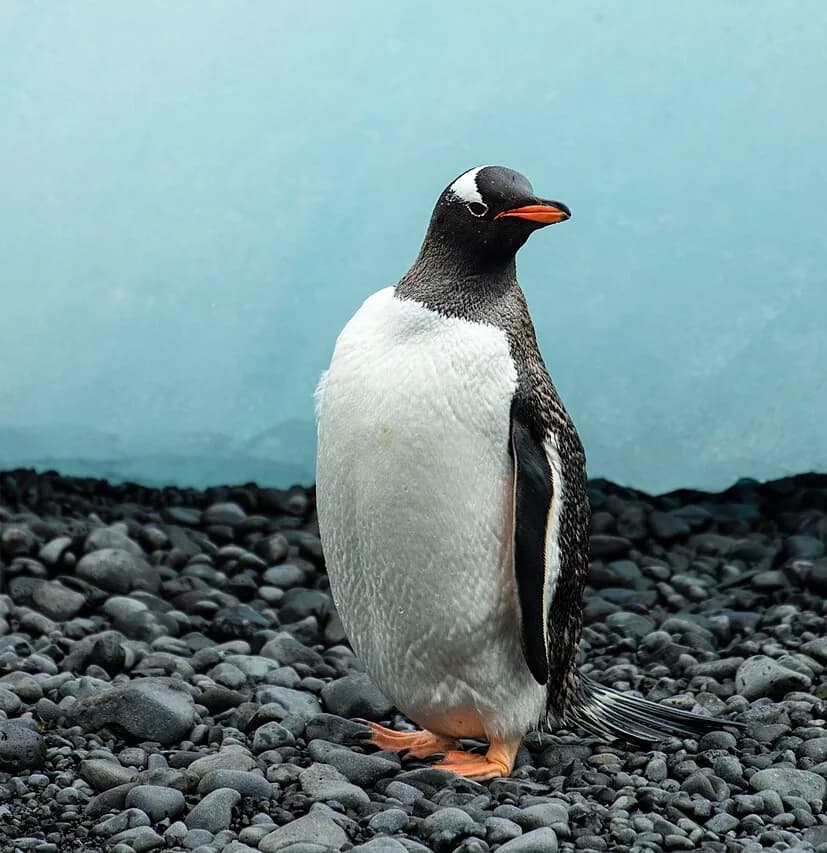
The result is a wing that is useless in the air but extraordinarily effective in the water. A Gentoo Penguin can swim at speeds over 35 kilometers per hour, making it one of the fastest underwater birds alive.
Why the Trade-Off Matters
Flying through air and flying through water demand opposite engineering. Air flight requires large, lightweight wings with flexible feathers that generate lift against thin air. Water flight requires compact, rigid, heavy wings that push against a medium roughly 800 times denser than air.
No bird has ever been great at both. Seabirds like puffins and murres can fly in air and swim underwater, but they are mediocre at each compared to specialists. Penguins committed fully to the water side. That commitment allowed their bodies to become denser, more streamlined, and more powerful underwater than any bird that still maintains the ability to fly.
How Penguins "Fly" Underwater
Watch a penguin swimming at speed and the motion looks exactly like flight. The bird uses its flippers in a wing-beat pattern, generating thrust on both the upstroke and the downstroke. The body stays rigid and streamlined while the flippers provide propulsion and steering.
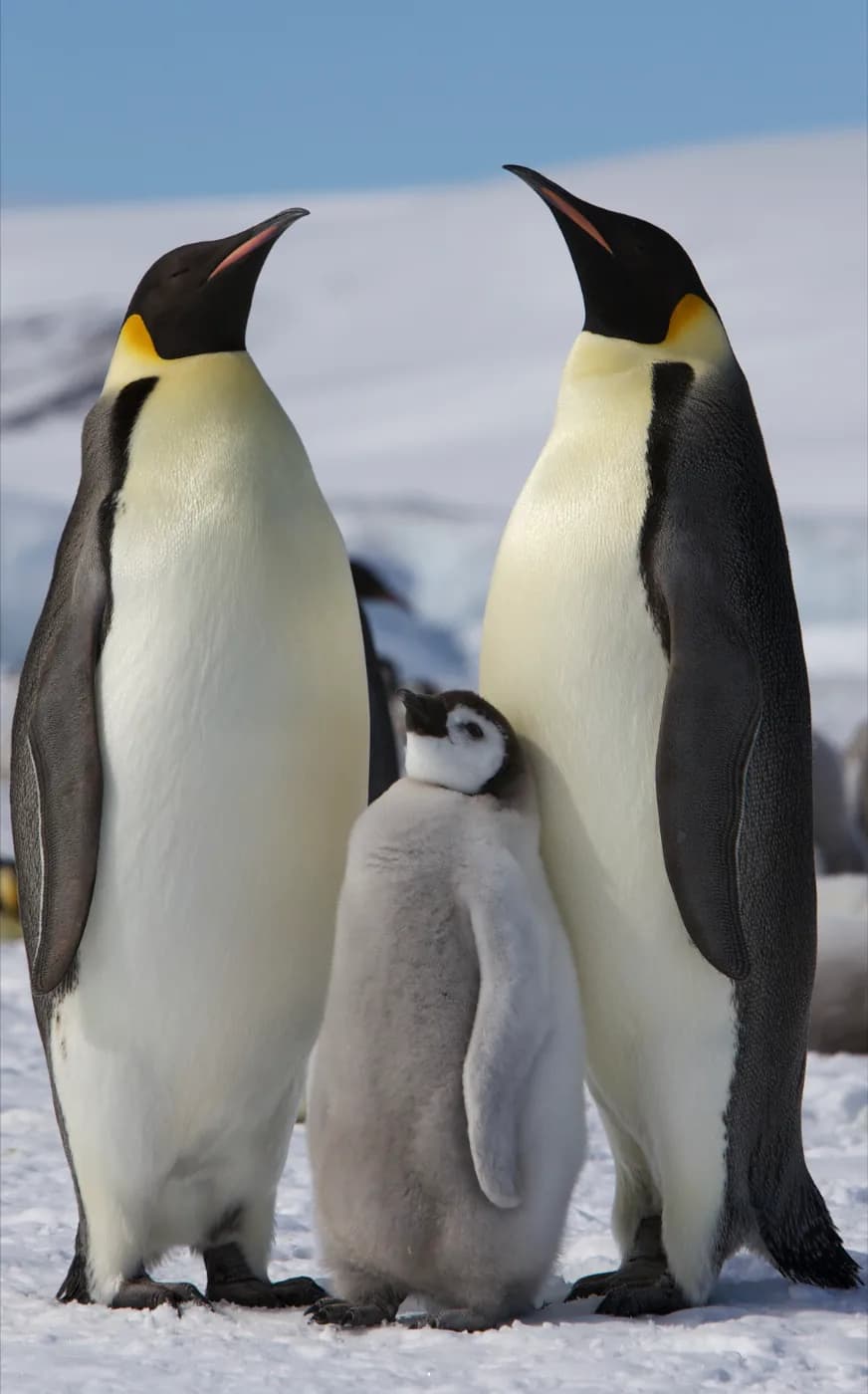
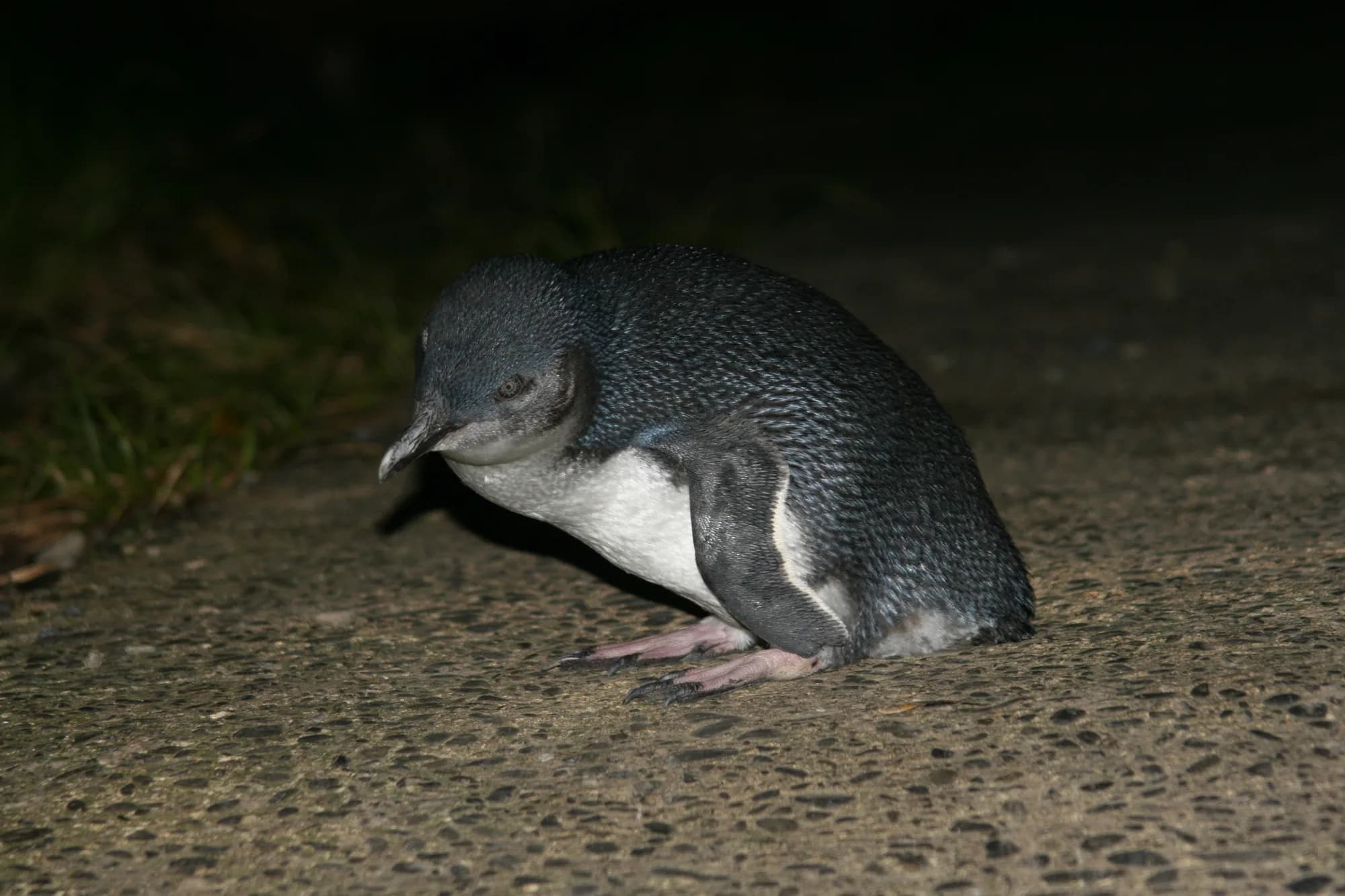
Emperor Penguins use this underwater flight to dive beyond 500 meters. Little Blue Penguins, the smallest species, use the same basic mechanics for short, shallow coastal foraging runs. The scale changes, but the engineering principle remains the same across every living penguin species.
Speed and Agility
Different species optimize for different conditions. Gentoo Penguins are sprint hunters, chasing fast-moving fish in relatively shallow water. Emperor Penguins are endurance divers, descending deep and staying under for over 20 minutes. Adelie Penguins combine moderate speed with krill-hunting agility in dense swarms.
In every case, the penguin's rigid flipper provides the thrust and maneuverability that an air-adapted wing could never match in water.
The Evolutionary Timeline
Penguin evolution stretches back roughly 60 to 62 million years. The earliest known penguin fossils already show adaptations toward flightlessness and aquatic life. By comparison, modern penguins have been refining the underwater-specialist body plan for longer than most living bird families have existed at all.
Some ancient penguins were enormous. Fossil species like Kumimanu biceae may have stood over 1.5 meters tall and weighed more than 100 kilograms. These giant penguins were fully aquatic specialists, confirming that the commitment to water over air happened early and stuck.
What About the Feathers
Penguin feathers also reflect the trade-off. Instead of the long, flexible flight feathers other birds use, penguins carry short, dense, overlapping feathers that form a waterproof and insulating layer. A single square centimeter of penguin skin may carry over 100 feathers. This density keeps the bird warm and dry during long immersions in cold water, but it could never generate the aerodynamic lift needed for air flight.
Key Takeaways
- Penguins cannot fly in the air, but they are powerful underwater fliers that use their flippers in a true wing-beat pattern.
- The trade-off between air flight and water flight is fundamental. Penguins committed to water and evolved rigid, dense flippers that outperform any air-capable wing underwater.
- This specialization has been in place for over 60 million years, making penguins one of the oldest and most committed aquatic bird lineages.
- Every aspect of the penguin body, from flipper shape to feather density to bone structure, reflects this evolutionary commitment.
Where to Go Next
To see how underwater flight translates into extreme diving, read the Emperor Penguin profile. For the fastest swimming penguin, see the Gentoo Penguin. To compare body plans across all species, visit the penguin species directory.