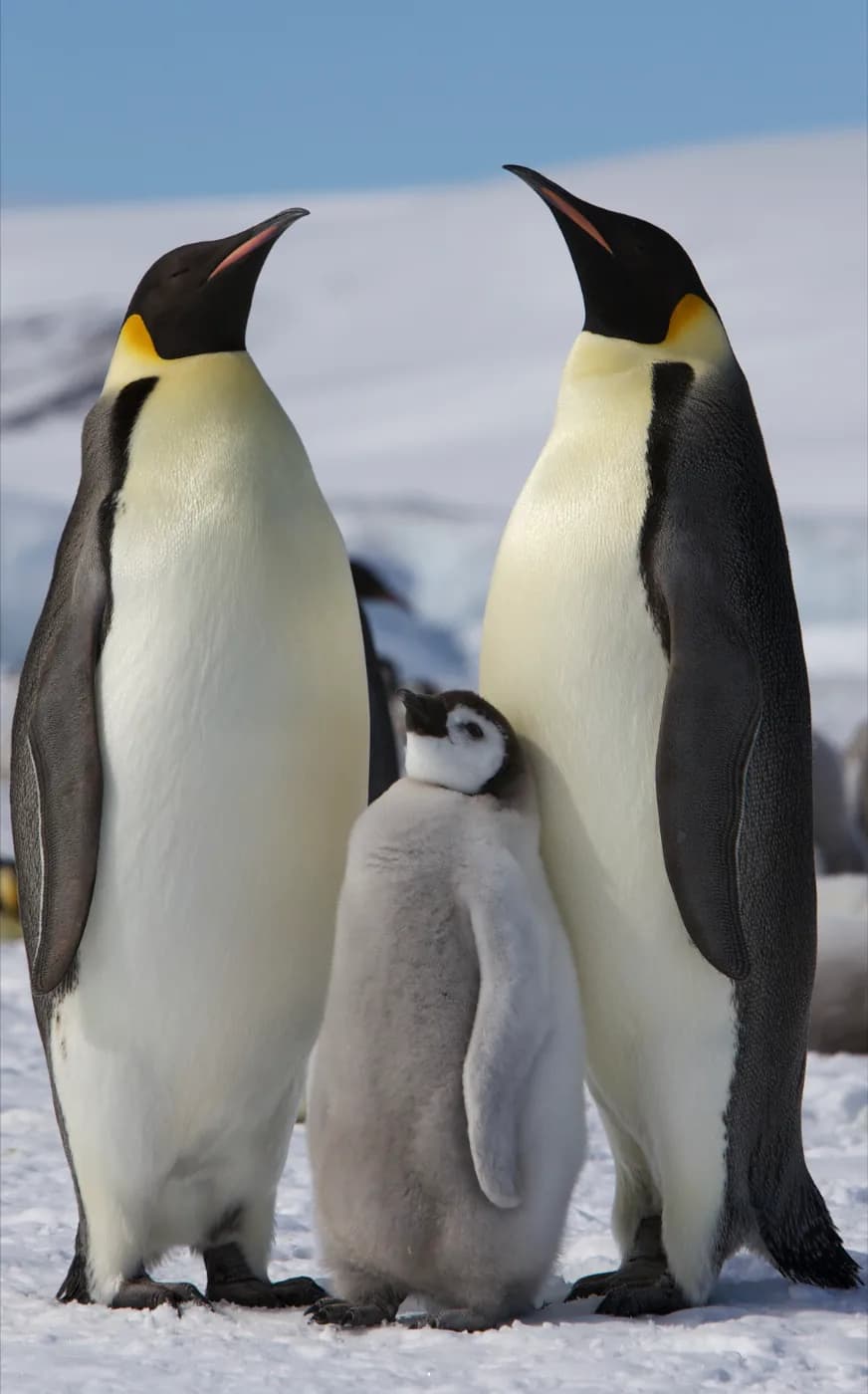
No other bird breeds the way the Emperor Penguin does. The cycle begins in the Antarctic autumn, runs through the darkest and coldest months of winter, and demands a level of parental investment that would kill most other animals. Here is how it works, step by step.
The March to the Colony
In March and April, as Antarctic sea ice begins to form, Emperor Penguins leave the ocean and march inland to their breeding colonies. These colonies sit on stable fast ice, the ice that clings to the coast and remains frozen through winter. Some birds walk 50 to 120 kilometers from the ice edge to reach the colony site.
The march happens because the colony needs ice that will not break up before chicks are ready to fledge. Breeding on unstable ice would mean losing eggs or chicks to the ocean. The birds choose stability, even though it costs them weeks of walking and leaves them far from food.
Courtship and Egg Laying
Once at the colony, males and females pair up through vocal displays and posturing. Emperor Penguins are generally monogamous for a single breeding season, though pair bonds do not always carry over to the next year.
The female lays a single egg in May or June. This is the critical handoff. She must transfer the egg to the male's feet without it touching the ice. Even brief contact with the frozen surface can kill the developing embryo. The male rolls the egg onto his feet and tucks it under a fold of abdominal skin called the brood pouch.
The Male Incubation Fast
Once the egg is secure, the female leaves. She walks back to the sea to feed, having already lost significant body mass during courtship and egg production. She will not return for roughly two months.
The male stays. He stands on the ice through the Antarctic winter, holding the egg on his feet, surrounded by thousands of other males doing the same thing. Temperatures drop below minus 40 degrees Celsius. Wind speeds exceed 150 kilometers per hour. The colony is in near-total darkness.
During this period, males do not eat. They survive entirely on stored body fat, losing roughly 40 to 45 percent of their body weight over the incubation fast. The only way to manage this energy budget is huddling. Males pack together in tight groups where the interior temperature can exceed 37 degrees Celsius. The huddle rotates slowly so that no individual stays on the exposed outer edge indefinitely.
Hatching and the First Weeks
The egg hatches after about 65 days, usually in July or August. If the female has not returned, the male can produce a small amount of crop milk, a protein and fat-rich secretion, to feed the chick for a few days. But this is emergency rations. The male is starving and cannot sustain the chick for long.
When the female returns from the sea, she locates her mate by voice among thousands of calling birds. She takes over feeding the chick with regurgitated fish and krill. The male, now severely depleted, makes the long walk to the sea to feed for the first time in roughly four months.
Shared Chick Rearing
From this point forward, both parents take turns. One stays at the colony to brood and feed the chick while the other forages at sea. As the chick grows and the weather improves toward spring, the parents leave the chick in a creche, a group of chicks huddled together for warmth and protection, while both adults forage simultaneously.
By December or January, when the Antarctic summer is underway and the sea ice begins to break up, the chicks have fledged. Their down has been replaced by waterproof juvenile plumage. They head to the sea for the first time, and the cycle is complete.
Why This Strategy Exists
Emperor Penguins breed in winter so that chicks fledge in summer when food is most abundant and the ocean is most accessible. If they bred in summer like most Antarctic birds, chicks would face winter before they were large enough to survive it.
The strategy is extreme but logical. It front-loads the suffering onto the adults, who are large enough and fat enough to endure it, and delivers the chick into the most favorable conditions possible.
What Threatens This System
The entire breeding cycle depends on stable sea ice lasting from autumn through summer. If ice forms late, the march is delayed. If ice breaks up early, chicks that have not fledged drown. In recent years, several major Emperor Penguin colonies have experienced catastrophic breeding failure when sea ice collapsed before chicks could develop waterproof plumage.
Climate projections suggest that Antarctic sea ice will become less predictable. For a species whose breeding calendar is built around ice timing, this is the most serious long-term threat.
Key Takeaways
- Emperor Penguins breed through the Antarctic winter in a cycle that lasts roughly nine months from march to fledging.
- Males incubate the single egg for about 65 days without eating, losing up to 45 percent of their body weight.
- The strategy ensures that chicks fledge in summer when food is most available.
- Stable sea ice is essential. Early ice breakup causes catastrophic chick mortality.
- Climate-driven changes to sea ice timing represent the greatest threat to this breeding system.
Where to Go Next
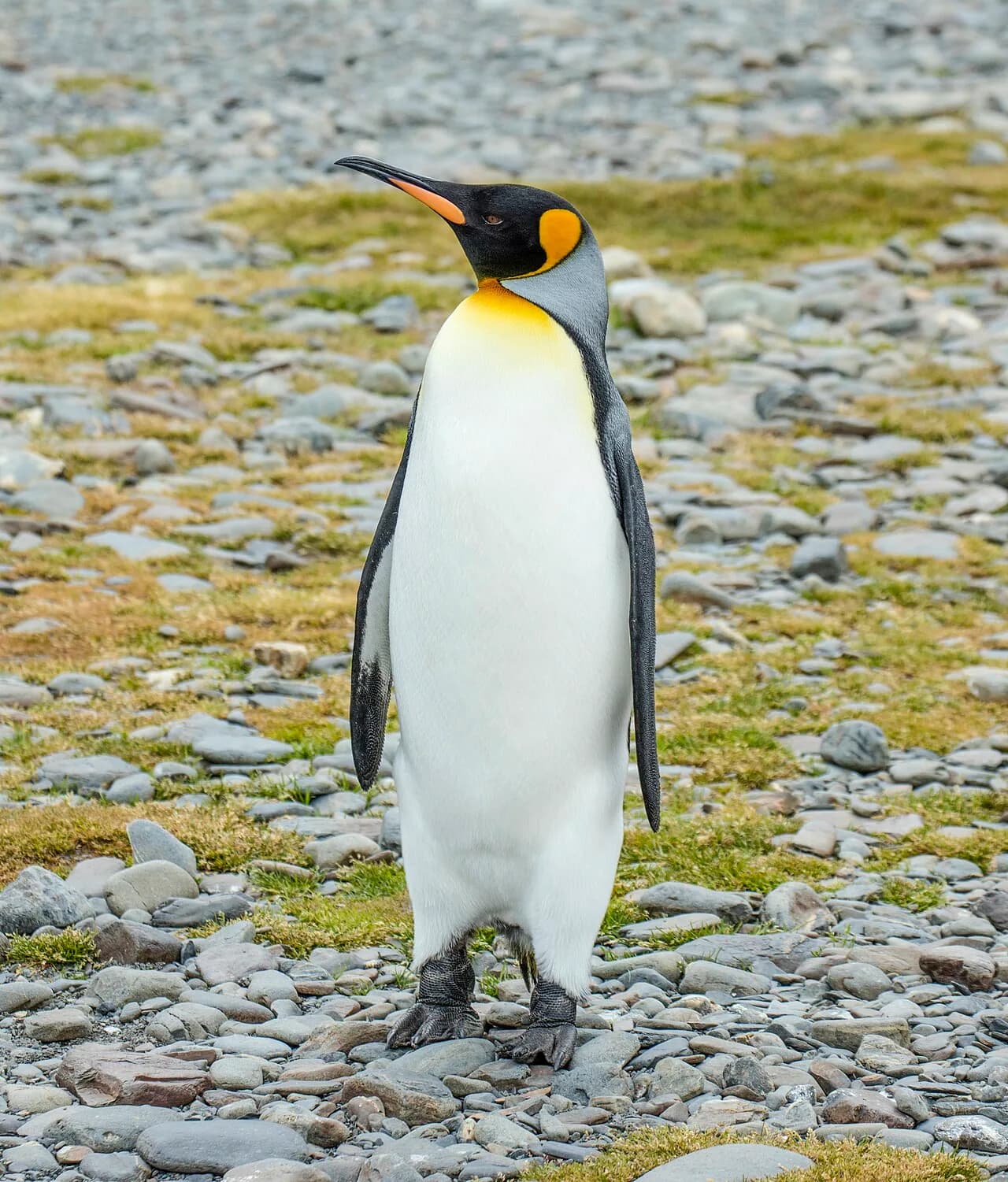
Read the full Emperor Penguin species profile for data on size, diet, and conservation status. For a comparison with the second-largest penguin, see the King Penguin profile. To understand how cold survival supports breeding, read How Do Penguins Stay Warm in Antarctica?.