
Endangered Penguins
5 penguin species are currently classed as endangered, including Emperor Penguin, Erect-crested Penguin, Galapagos Penguin, and 2 more. The label is the danger band — not a single villain shared by every bird.
Endangered penguins already face severe population pressure, making habitat protection, prey security, and disturbance control critical for recovery. These 5 birds do not share one villain. They share a narrowed margin — from Galapagos Penguin to Emperor Penguin in size, and from different oceans in cause.
Species in lens
5
By status
Size span
53–130 cm
Galapagos Penguin → Emperor Penguin
Highest risk in view
Emperor Penguin
Endangered
Species in this lens
Endangered penguins already face severe population pressure, making habitat protection, prey security, and disturbance control critical for recovery.
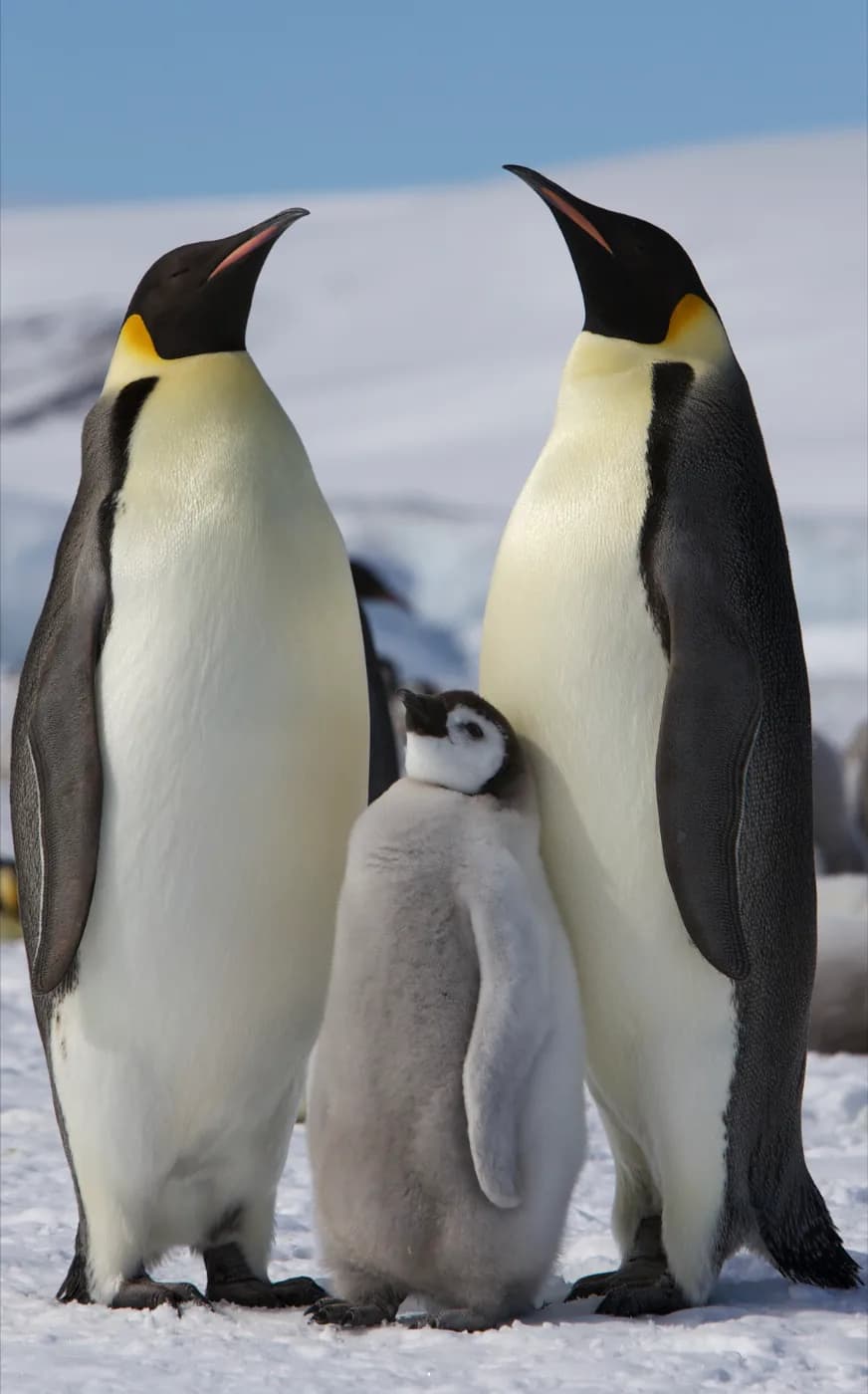
Emperor Penguin
Aptenodytes forsteri
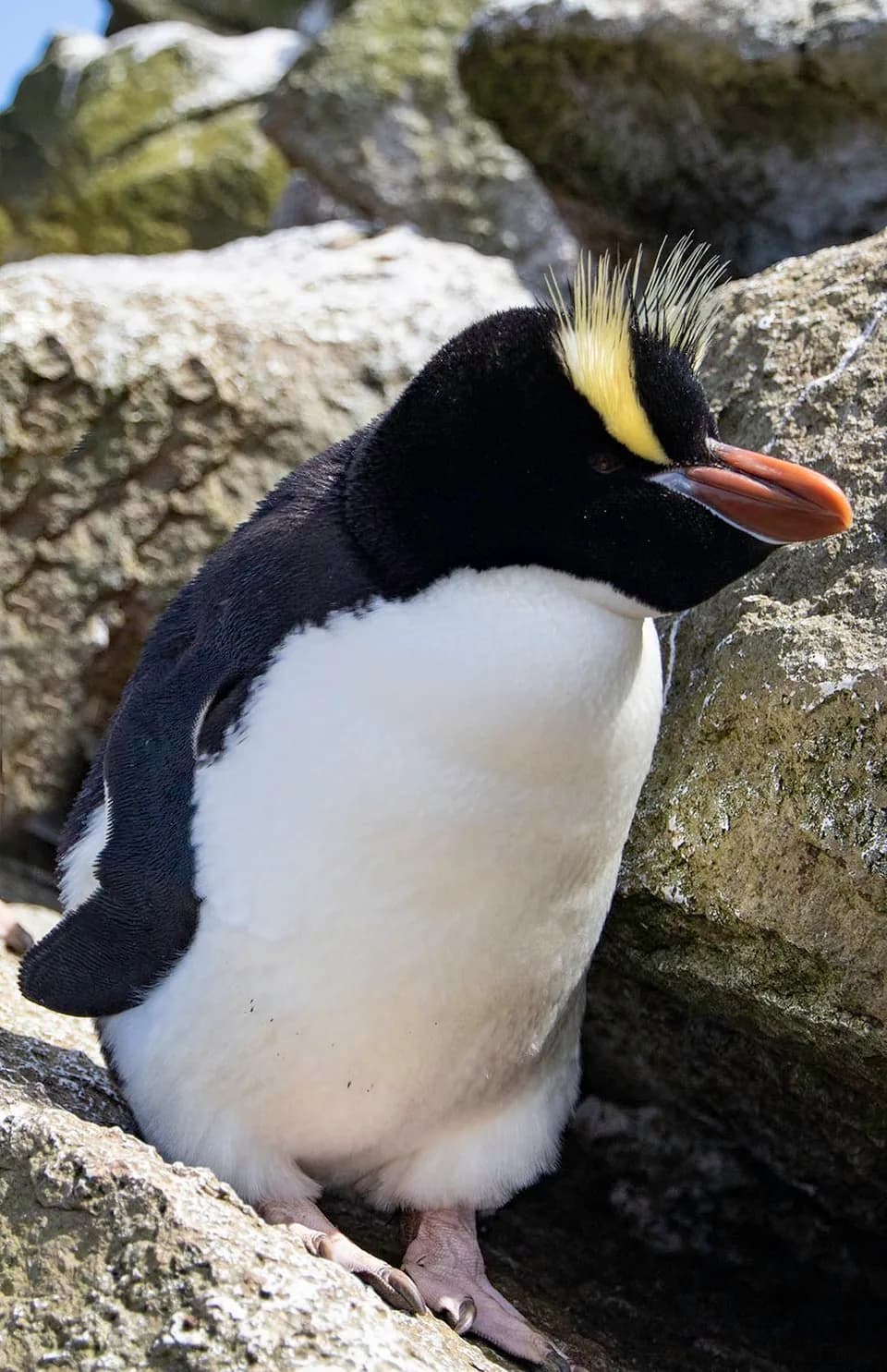
Erect-crested Penguin
Eudyptes sclateri
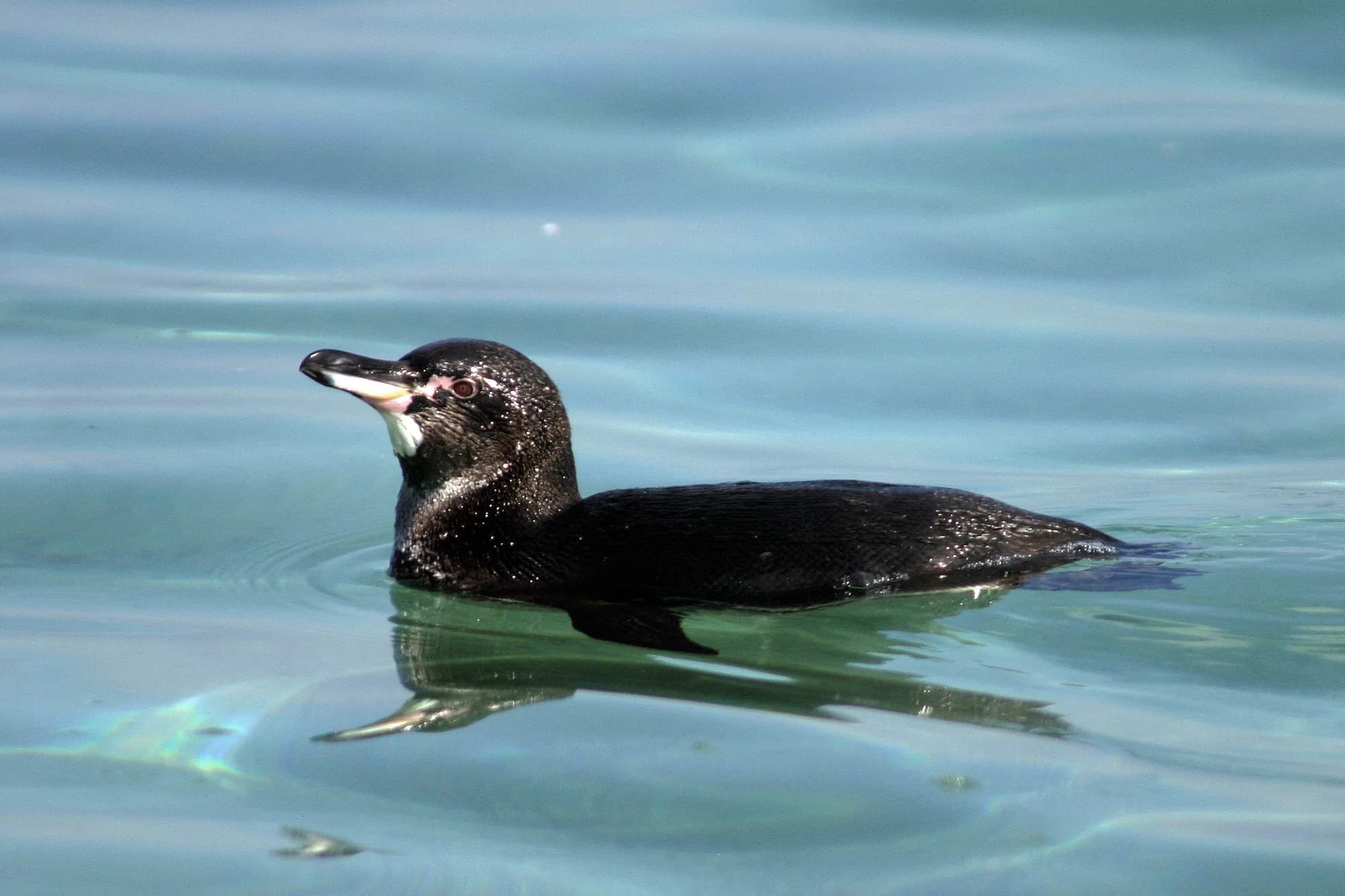
Galapagos Penguin
Spheniscus mendiculus
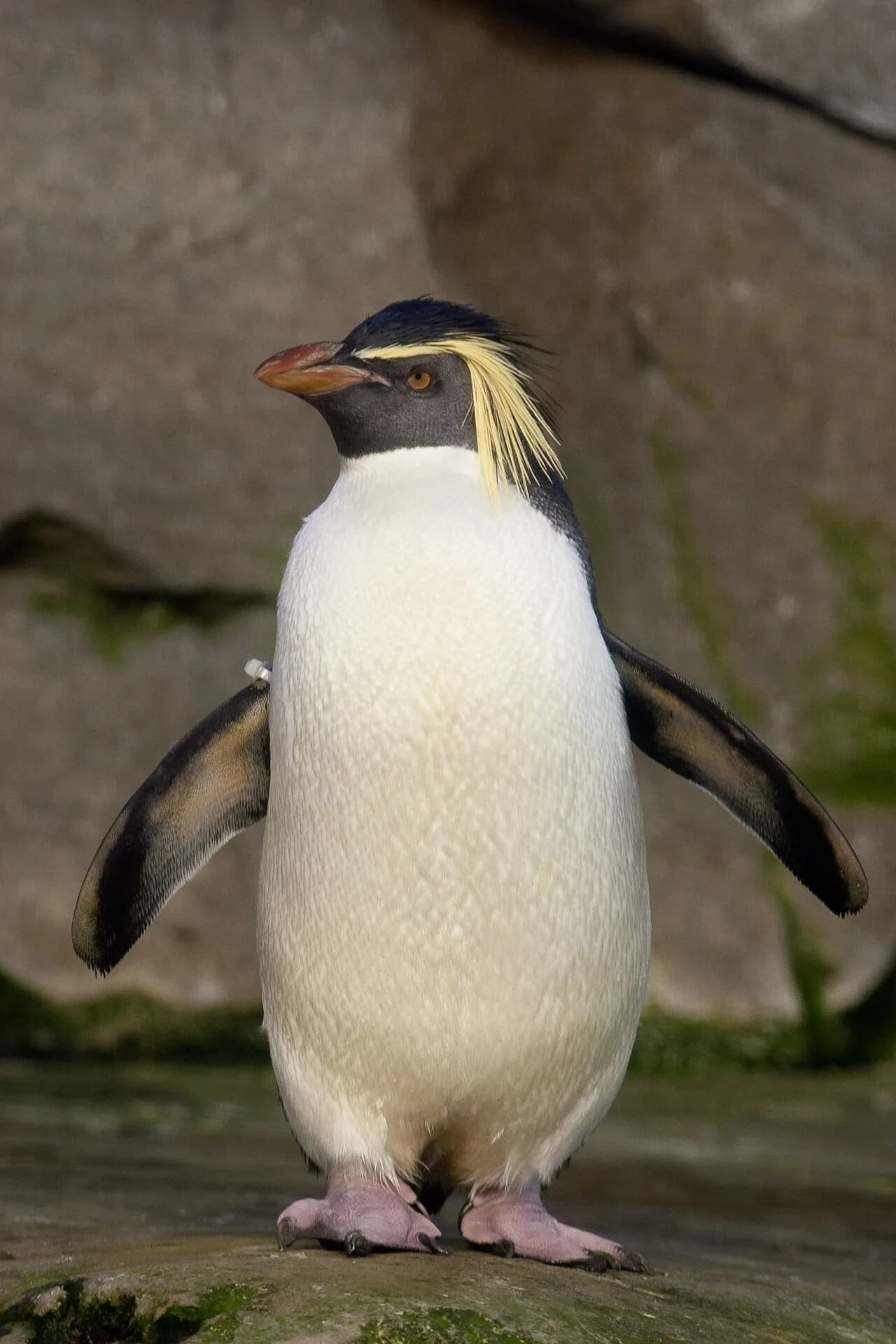
Northern Rockhopper Penguin
Eudyptes moseleyi
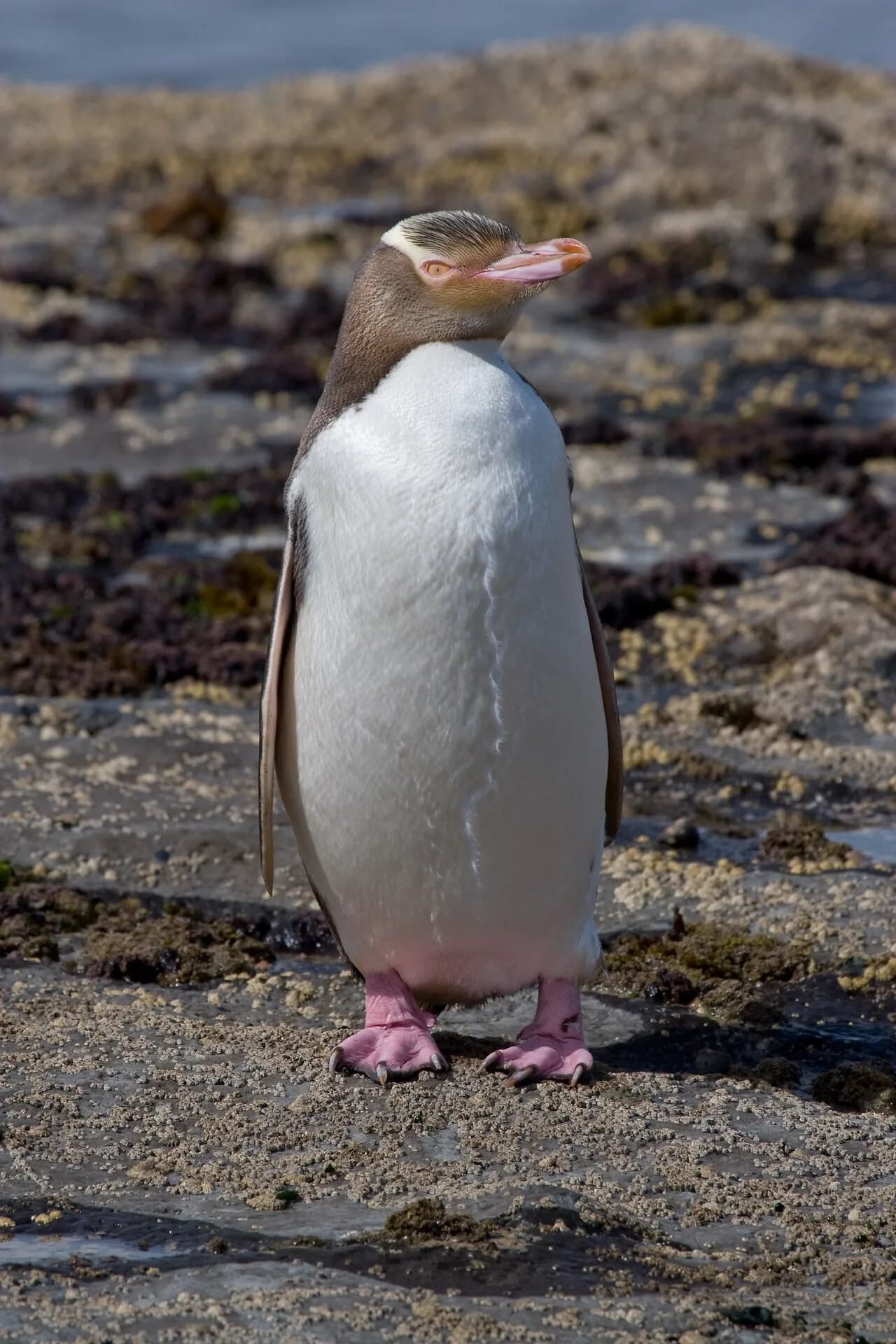
Yellow-eyed Penguin
Megadyptes antipodes
What this view reveals
- 5 penguin species are grouped by this status view.
- Emperor Penguin is the largest here (to 130 cm).
- Emperor Penguin carries the highest listed risk (Endangered).
- Shared IUCN band Endangered is not a shared cause list.
Compare inside this lens
Read next
All guidesWhy Rockhopper Penguins Hop
The survival logic behind the most ridiculous-looking penguin gait, and why hopping is exactly right for cliffs, boulders, and surf-cut colonies.
Open guideWhy Penguin Chicks Die in Bad Years
What actually kills penguin chicks when a breeding season turns ugly: hunger, weather, timing failures, and parental bottlenecks.
Open guidePenguin Conservation Status Explained
What penguin risk labels actually mean, and why the same status can hide very different collapse stories.
Open guideUnderstanding Endangered Penguins
5 penguin species are listed as Endangered: Emperor Penguin, Erect-crested Penguin, Galapagos Penguin, Northern Rockhopper Penguin, and Yellow-eyed Penguin. The shared band is risk class, not a shared threat story. Climate, fisheries, introduced predators, and nesting habitat can load in different mixes.
Size here runs Galapagos Penguin (53 cm) to Emperor Penguin (130 cm). Habitats include Antarctic sea ice, Antarctic coastline, rocky coastlines, and Sub-Antarctic islands; prey includes fish, squid and octopus, krill, and sardines. One conservation recipe will not fit all of them.
Reported population trends in this band include decreasing. Trend and status are related but not the same signal — a bird can sit in a high category while another with a softer label is already sliding.
Signature pressure point: Emperor Penguin — “The Emperor Penguin is not built to defeat Antarctic winter. It survives by turning a breeding pair into a relay team, with the male becoming a walking incubator on sea ice.”
Frequently asked questions
Which penguins are listed as endangered?
Emperor Penguin, Erect-crested Penguin, Galapagos Penguin, Northern Rockhopper Penguin, and Yellow-eyed Penguin are the species in this endangered group on Penguin Place.
Do all endangered penguins face the same threat?
No. They share a risk band, not a single cause. Climate stress, food shortage, predators, and disturbance can stack differently for each species.
Which endangered penguin is the largest?
Emperor Penguin is the largest in this status group (up to 130 cm). Highest-risk signal in the same band is still about status, not size — here the sharpest listed pressure is Emperor Penguin.